
Living next to the desert is one of the things that makes many Phoenix and Tucson neighborhoods so appealing. A home that backs up to a mountain, wash, preserve, or open Sonoran Desert can offer incredible views, fewer neighbors behind you, and direct access to the Arizona landscape.
It also puts your backyard much closer to the natural habitat of Arizona’s insects, arachnids, and rodents.
For homeowners in these areas, seeing an occasional desert pest outside is expected. The situation changes when those pests begin using your block wall, landscaping, garage, attic, patio, or house as an extension of their natural habitat.
Homes near places such as South Mountain, the McDowell Mountains, Black Mountain, Daisy Mountain, the Catalina Mountains, Tucson’s foothills, natural washes, and undeveloped desert corridors can experience more interaction with pests moving between the desert and residential areas. 520 Termite & Pest Solutions specifically notes higher pest pressure in Arizona communities where homes sit close to washes, foothills, and open desert.
Here are some of the pests you are most likely to encounter when your Arizona neighborhood sits right against the desert.
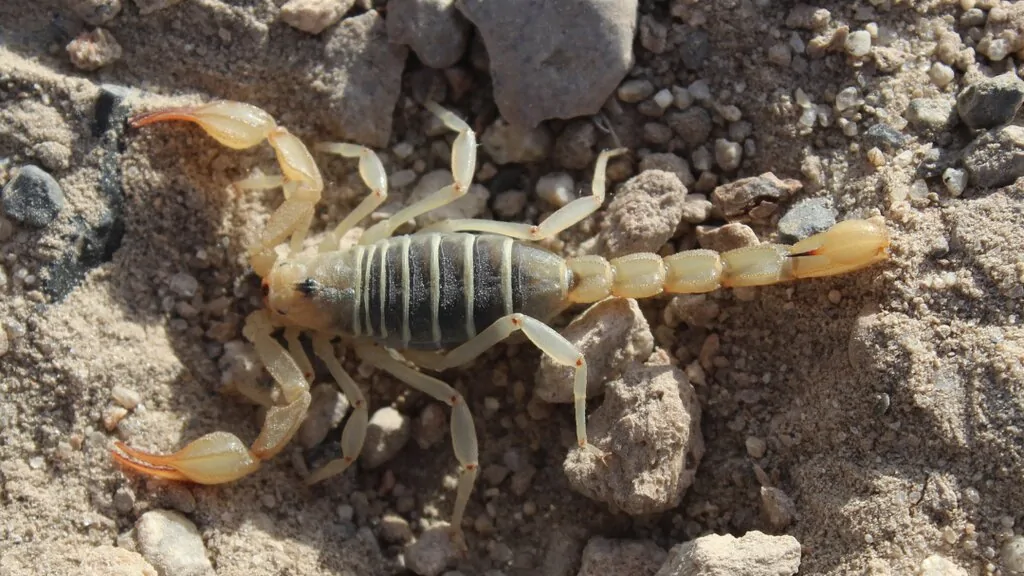
Scorpions
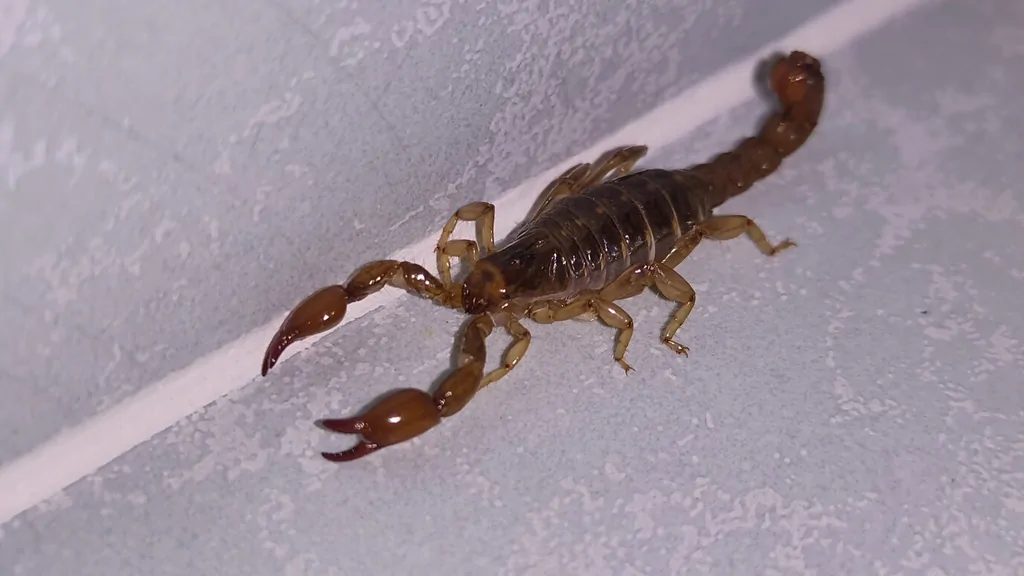
For many Arizona homeowners, scorpions are the first pest that comes to mind when talking about desert living.
They naturally live throughout the Sonoran Desert, so a neighborhood built next to undeveloped land can put homes directly along areas where scorpions already travel and hunt.
Where Scorpions Hide Around Desert Homes
Scorpions spend much of the day looking for cool, protected spaces.
Around a residential property, these can include:
- Decorative rock.
- Block walls.
- Retaining walls.
- Wood piles.
- Storage areas.
- Garages.
- Sheds.
- Cracks around foundations.
- Landscaping near the house.
Rock-heavy yards can be particularly attractive because the spaces between rocks provide shade and shelter. 520 Termite & Pest Solutions notes that properties near Black Mountain and similar rocky desert terrain often provide the crevices and shaded areas that scorpions use during hot weather.
Why Homes Backing to Open Desert May See More Scorpions
A block wall marks the edge of your property, but it does very little to separate your yard from the surrounding ecosystem.
Scorpions can move from open desert into landscaped yards while searching for food and shelter. Homes near washes and undeveloped slopes can sit directly along those movement corridors.
Anthem is one Phoenix-area example. Neighborhoods there transition quickly from maintained residential landscaping to open Sonoran Desert near Daisy Mountain, creating opportunities for scorpions and other desert pests to move into yards.
Similar conditions exist throughout the Tucson foothills and neighborhoods near the Catalina Mountains.
How to Reduce Scorpion Activity
Start by reducing places where scorpions can hide.
Keep stored materials off the ground when possible. Move firewood away from exterior walls. Check door sweeps, weather stripping, utility penetrations, and gaps around the home.
Also pay attention to the insects living around your property. Scorpions are predators. A yard with abundant crickets, roaches, and other insects provides a reliable food source.
Repeated scorpion sightings inside the home are a good reason to have the property professionally inspected.
Pack Rats and Other Rodents
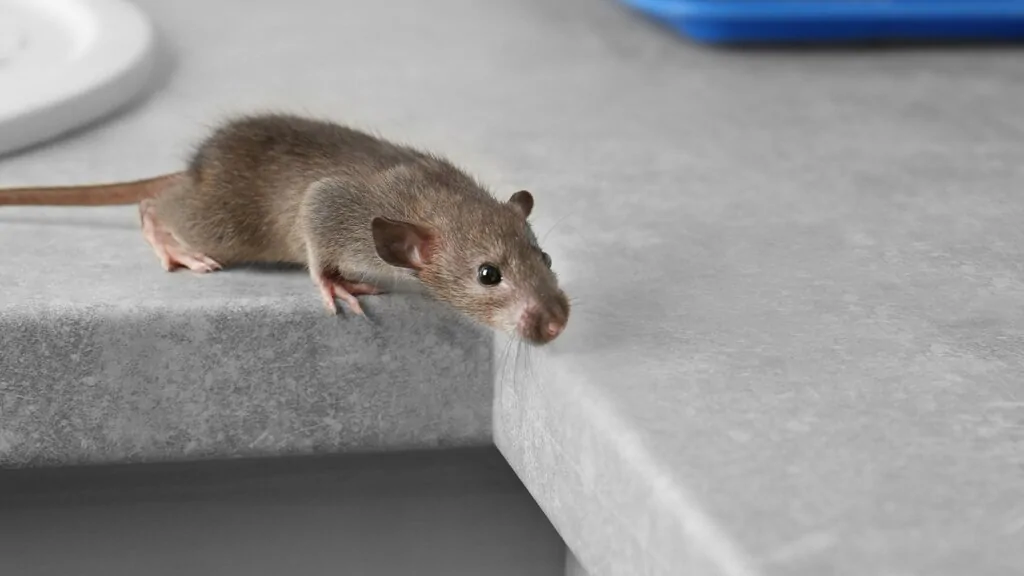
Rodents can become a significant issue for homes bordering natural desert.
Pack rats are especially well adapted to Arizona’s environment. They build nests in protected locations and may move into residential yards when those areas provide easier access to food, water, and shelter.
Where Pack Rats Build Nests
Around desert properties, pack rats may nest:
- Under sheds.
- Inside wood piles.
- Around dense vegetation.
- Near stored equipment.
- Beneath outdoor structures.
- Around garages.
- Inside vehicle engine compartments.
520 Termite & Pest Solutions identifies pack rats as a frequent concern in Desert Hills, where open desert and natural washes surround many properties. The company notes that nests can form around wood piles, sheds, equipment, and vehicles.
Why Desert-Edge Properties Are More Exposed
If your backyard ends where natural desert begins, rodents do not have to travel through several developed neighborhoods before reaching your property.
Natural washes can also function as travel corridors. Vegetation provides cover while nearby homes offer shade, irrigation, pet food, bird seed, outdoor kitchens, and storage spaces.
The same issue can occur in Tucson neighborhoods close to mountain slopes, washes, and natural vegetation. Rodent pressure can increase where residential development meets undeveloped desert.
Signs of Rodent Activity
Watch for:
- Droppings.
- Scratching sounds.
- Gnaw marks.
- Damaged wiring.
- Nesting materials.
- Disturbed insulation.
- Food packaging damage.
- Debris accumulating beneath outdoor structures.
Check vehicles that sit unused for extended periods, too. An engine compartment can provide a protected nesting area.
Reducing outdoor clutter, sealing openings, properly storing food and seed, and keeping vegetation maintained can make the property less inviting.
Spiders
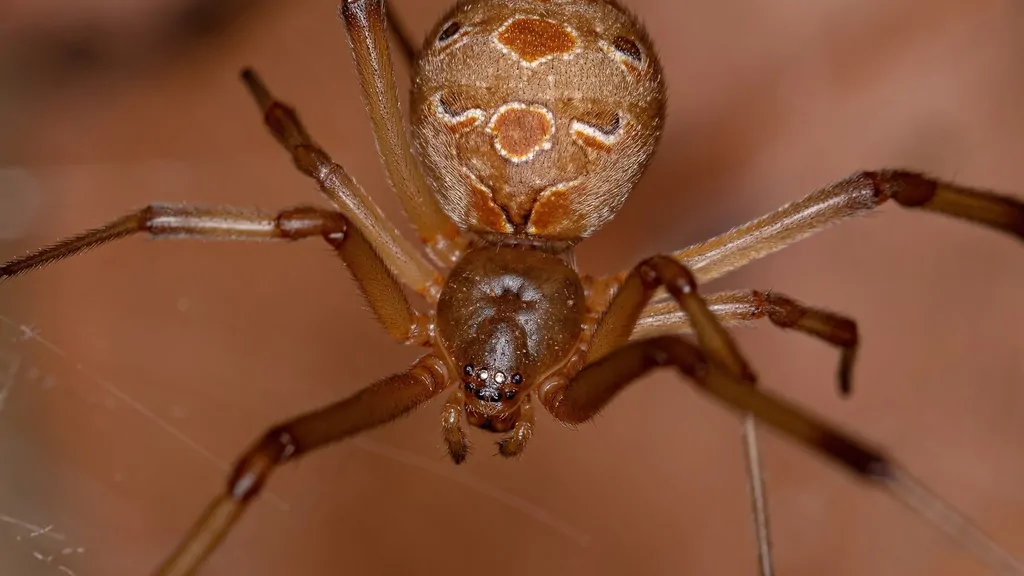
Spiders are another natural part of Arizona’s desert environment.
Many stay outside and help control other insects. Problems can develop when spiders begin establishing themselves in garages, sheds, patios, storage areas, or inside the home.
Where Spiders Prefer to Hide
Around homes that border the desert, check:
- Garage corners.
- Storage shelves.
- Patio furniture.
- Sheds.
- Block walls.
- Utility areas.
- Outdoor equipment.
- Boxes that rarely get moved.
Black widows are especially likely to build webs in quiet, protected areas where they are unlikely to be disturbed.
520 Termite & Pest Solutions treats black widows, wolf spiders, and other spiders found around garages, patios, sheds, and outdoor structures in Arizona.
More Bugs Can Mean More Spiders
Spider activity often follows insect activity.
A desert-edge property can provide plenty of prey. Exterior lighting attracts insects. Irrigated landscaping supports additional insect populations. Crickets and other bugs may move from surrounding desert into the yard.
Controlling the insects around your home can reduce the food available to spiders.
Regularly remove webs, reduce clutter, inspect outdoor storage areas, and seal openings that provide access to the house.
Termites
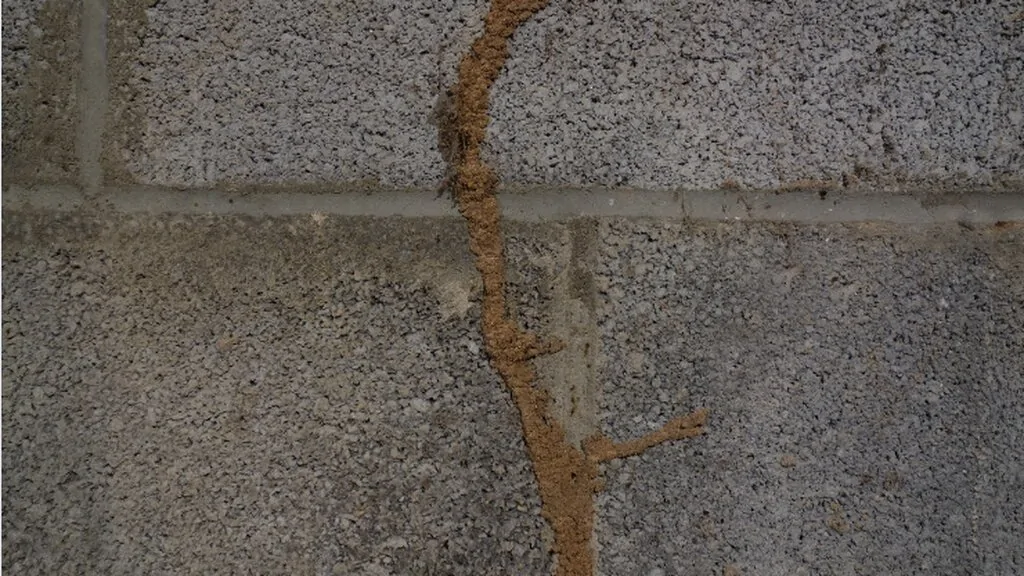
Termites may receive less attention than scorpions because homeowners often do not see them walking across the patio.
Their activity can be much less obvious.
Subterranean termites live underground and can travel through soil to reach structures. That makes termites relevant throughout both Phoenix and Tucson, including homes built next to open desert.
520 Termite & Pest Solutions provides termite inspection and treatment services throughout both markets.
Signs of Termite Activity
Watch for:
- Mud tubes.
- Winged termites.
- Discarded wings.
- Damaged wood.
- Changes around trim or baseboards.
- Damage discovered during repairs or remodeling.
Newer homes can experience termite activity too. A recently developed neighborhood was still desert land before construction began, and development does not eliminate subterranean termite populations from the surrounding environment.
Pay Attention to Irrigation
Desert landscaping often depends on irrigation, which creates concentrated areas of moisture around an otherwise dry property.
Avoid unnecessary moisture close to the foundation. Fix leaking irrigation lines and avoid storing wood, cardboard, or other cellulose material directly against the home.
If you find mud tubes or signs that could indicate termite activity, schedule an inspection rather than disturbing the area and waiting to see what happens.
Cockroaches
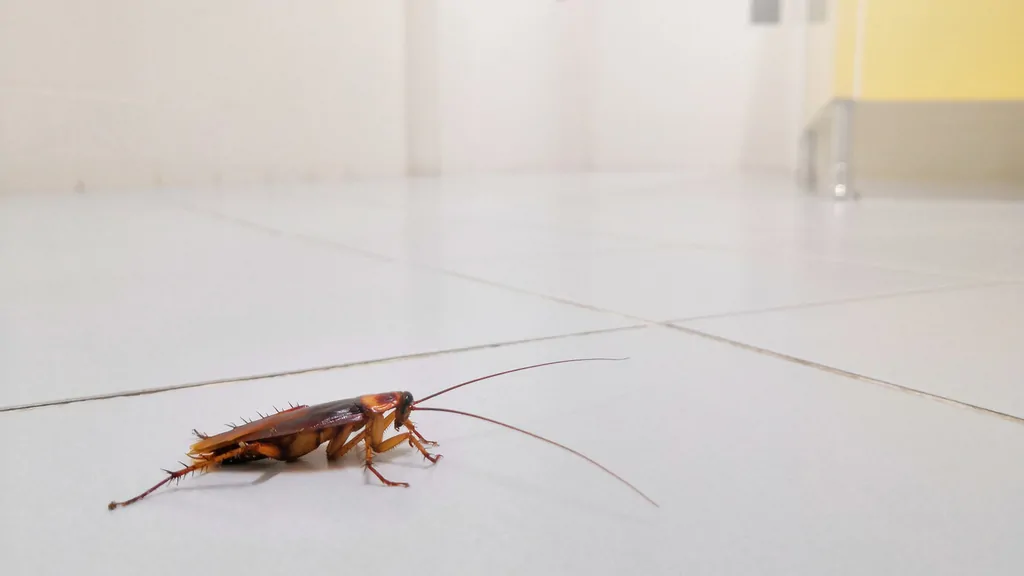
Cockroaches may seem more associated with dense urban environments, but they are also common around Arizona desert homes.
A dry climate makes reliable moisture particularly attractive.
Where Roaches Find Moisture
Common areas include:
- Irrigation systems.
- Drains.
- Bathrooms.
- Kitchens.
- Laundry rooms.
- Pet water bowls.
- Garages.
- Landscaping.
- Patios.
520 Termite & Pest Solutions notes that cockroaches frequently gravitate toward drains, irrigation systems, kitchens, and other areas where moisture remains available.
Homes next to natural desert can also experience outdoor roach activity that gradually moves closer to the structure.
Fix leaks, eliminate standing water, keep food areas clean, and check openings around doors and plumbing.
An occasional outdoor sighting and repeated indoor activity are very different situations. If you continually find roaches inside, there may be a larger population nearby.
Ants
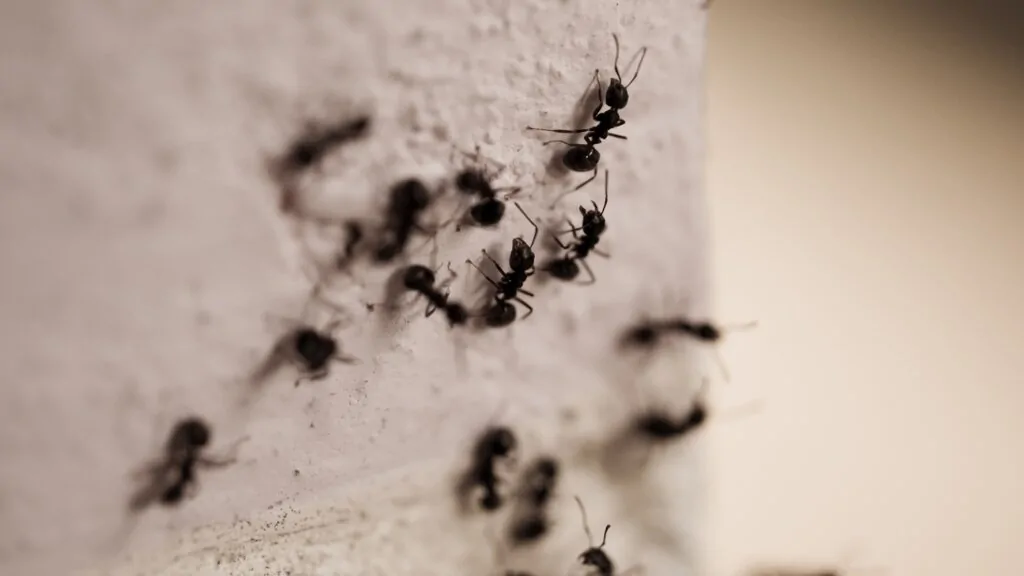
Ants can become especially noticeable when desert conditions drive them to search for dependable food and water.
Irrigated landscaping creates resources that are harder to find in the undeveloped desert immediately beyond the property.
Once ants establish colonies close to a house, they may begin following cracks and openings inside.
Where Ants Commonly Appear
Look around:
- Kitchen counters.
- Pantries.
- Sinks.
- Bathrooms.
- Pet feeding areas.
- Patio doors.
- Foundations.
- Irrigation zones.
Pay attention to where a trail leads. Wiping away visible ants may remove what you see temporarily while leaving the colony intact.
Repeated trails or activity in several parts of the property may require treatment directed at the colony rather than individual ants.
Crickets and Other Desert Insects
Homes close to natural desert may also see plenty of general insect activity.
Crickets, beetles, and other bugs can move through yards and gather around patios, garages, landscaping, and exterior lights.
These insects can become a nuisance on their own. They can also support other pest populations.
A yard with a steady supply of insects creates hunting opportunities for scorpions and spiders.
Pay Attention to Exterior Lighting
Outdoor lighting can attract large numbers of insects after dark.
If bugs consistently gather around a door, consider the location and type of lighting in that area. Keep screens in good condition and make sure exterior doors seal properly.
The goal is to reduce the number of insects gathering immediately against the house and the opportunities they have to move indoors.
Why Washes, Mountains, and Open Desert Change Pest Activity
Your home’s location can influence what you see.
A house several miles into a heavily developed neighborhood has a very different relationship with desert wildlife than a house where the backyard wall touches undeveloped land.
Homes Near Washes
Washes provide natural travel corridors through the desert.
They can offer vegetation, shade, shelter, and pathways between larger undeveloped areas.
Scorpions and rodents can use these corridors to move close to residential properties. 520 Termite & Pest Solutions specifically identifies washes as an important factor in pest activity around Desert Hills and Tucson-area properties.
Homes Near Mountains and Foothills
Mountain and foothill neighborhoods place homes next to large areas of natural habitat.
In the Phoenix area, communities around Black Mountain, Daisy Mountain, South Mountain, Camelback Mountain, Mummy Mountain, and the McDowell Mountains can have residential streets close to undeveloped terrain.
520 Termite & Pest Solutions notes that Paradise Valley’s proximity to Camelback Mountain and Mummy Mountain, along with its washes and natural desert landscaping, contributes to activity from termites, scorpions, rodents, and spiders.
Around Tucson, the Catalina Foothills, Oro Valley, Tanque Verde, and other communities near mountain and desert areas face similar conditions.
Homes on the Edge of New Development
New subdivisions built against open desert also deserve attention.
Construction can disturb existing habitat as land is cleared, graded, and developed. Pests that previously occupied that area may move toward the remaining desert edge or nearby structures.
If your street is one of the last completed sections of a development and open desert begins behind your backyard, your home may experience different pest pressure than homes deeper inside the community.
Pest Activity Changes With Arizona’s Seasons
Living next to the desert also makes seasonal changes easier to notice.
Warmer Months
As Arizona temperatures climb, insect activity increases.
Scorpions become more active, ants move more frequently, and termite activity can become more visible.
520 Termite & Pest Solutions reports increased spring and summer scorpion and termite activity in desert communities such as New River and Red Rock.
Monsoon Season
Monsoon storms can quickly change conditions around a desert property.
Rain brings moisture to areas that may have been dry for months. Insect activity can increase, and pests may move when their normal hiding areas are disturbed or flooded.
Check your property after major storms, especially around doors, garages, patios, foundations, and irrigation areas.
Cooler Months
When temperatures fall, rodents and spiders may begin seeking protected areas.
Garages, sheds, attics, outdoor storage areas, and homes provide considerably more shelter than exposed desert terrain.
520 Termite & Pest Solutions notes this seasonal shift in several Arizona desert communities, with rodents and spiders becoming more likely to seek shelter during cooler periods.
How to Protect a Home That Backs Up to the Desert
You cannot change the natural environment behind your house, and living next to it is probably one of the reasons you chose the property.
You can make the transition from desert to home less inviting to pests.
Inspect the Property Perimeter
Walk the outside of your home regularly.
Check:
- Door sweeps.
- Window screens.
- Utility penetrations.
- Foundation gaps.
- Garage doors.
- Vents.
- Areas where stucco meets other materials.
Small openings matter when scorpions, insects, and rodents are looking for shelter.
Maintain the Area Closest to Your House
Keep unnecessary clutter away from exterior walls.
Move firewood, cardboard, unused equipment, and storage materials farther from the structure.
Inspect decorative rock, retaining walls, and dense vegetation for areas where pests could hide.
Manage Water Sources
Check irrigation regularly.
A leaking emitter or irrigation line can create a dependable water source next to the home.
Watch for pet water, drainage, outdoor sinks, and other areas that remain wet.
Watch for Changes
Pest activity can change quickly when something around the property changes.
Nearby construction, landscaping work, heavy rain, new irrigation, or development on previously undisturbed land can alter where pests travel.
If you suddenly begin seeing significantly more activity, look at what recently changed around the property.
When Should You Call a Pest Control Professional?
Living next to open desert means you’ll probably see wildlife and insects outside occasionally.
Repeated activity inside the house deserves more attention.
Consider scheduling an inspection if you are experiencing:
- Scorpions repeatedly entering the home.
- Rodent droppings or nesting material.
- Scratching sounds in walls or ceilings.
- Termite mud tubes.
- Persistent cockroach activity.
- Recurring ant trails.
- Large numbers of spiders or webs.
- Pest activity that keeps returning after DIY treatments.
A professional inspection can help identify what you are dealing with, where it is coming from, and which conditions around the property may be contributing to the problem.
520 Termite & Pest Solutions provides termite and pest control services throughout the Phoenix and Tucson areas, including services for scorpions, spiders, roaches, ants, rodents, and other common Arizona pests.
Your Backyard May Be the Edge of Their Habitat
Living next to Arizona’s natural desert offers something many homeowners specifically seek out. You get the views, open space, mountains, washes, and Sonoran Desert landscape right outside your backyard.
That proximity also means desert pests are living nearby.
Scorpions may travel through rocky areas and block walls. Pack rats can move from washes into yards and outdoor structures. Spiders follow available insects. Termites remain active underground. Other pests take advantage of irrigation, shade, and shelter created by residential landscaping.
Pay attention to what you see and where you see it. Maintain the areas closest to your home, reduce easy access points, manage moisture, and respond when occasional outdoor pest activity becomes a recurring problem around the structure.
If you live in a Phoenix or Tucson community that backs up to open desert, a mountain, wash, foothill, preserve, or undeveloped land, 520 Termite & Pest Solutions can help identify what is moving onto your property and develop a pest control plan that fits your home.
Visit www.520termite.com to request a free estimate.
Frequently Asked Questions