
Termite and Pest Control in Anthem
Gavilan Peak rises northwest of Anthem Community Park, its dark volcanic slopes marking the point where this master-planned community’s tidy cul-de-sacs give way to open Sonoran Desert — and that undeveloped terrain, more than anything else, decides which pests show up at the back door. Anthem was built in the late 1990s on what had been open ranchland along I-17, and the desert never fully receded; it just moved to the edges of the HOA-maintained landscaping. The community is really two neighborhoods in one: Anthem Parkside, the family-oriented side south of Anthem Way surrounding the community park, and Anthem Country Club to the north, a gated community built around two 18-hole golf courses. Both sit against the same open desert below Daisy Mountain, and both deal with the same wildlife corridor that scorpions, pack rats, and other desert residents have used for generations. A block wall does little to stop any of them.
For homeowners, effective protection starts at the perimeter, not the porch. We treat foundation lines, weep holes, expansion joints, and the gaps around stucco and block construction where scorpions and rodents actually get inside, then follow up with interior monitoring so a problem that starts in the landscaping never makes it to a bedroom closet. Because several of Anthem’s newer neighborhoods back directly onto undisturbed desert, we pay close attention to decorative rock beds and wall voids, which double as ready-made scorpion habitat if left untreated. In Anthem Country Club, the golf course ponds and mature, heavily irrigated landscaping create a different problem: consistent moisture that keeps termite colonies active and draws mosquitoes through the warmer months, even in a neighborhood that otherwise looks nothing like desert.
What Actually Turns Up in Anthem Yards
- Bark scorpions, drawn to the decorative rock landscaping common throughout newer Anthem developments
- Roof rats and pack rats, especially in yards backing up to open desert near Daisy Mountain
- Subterranean termites, active year-round in irrigated turf, golf course perimeters, and landscaping beds
- Black widow spiders, sheltering in garages, block wall voids, and under patio furniture
- Argentine and native ants, tracking in along irrigation lines and drip systems
- Mosquitoes near the ponds and water features that line the Anthem Country Club golf courses
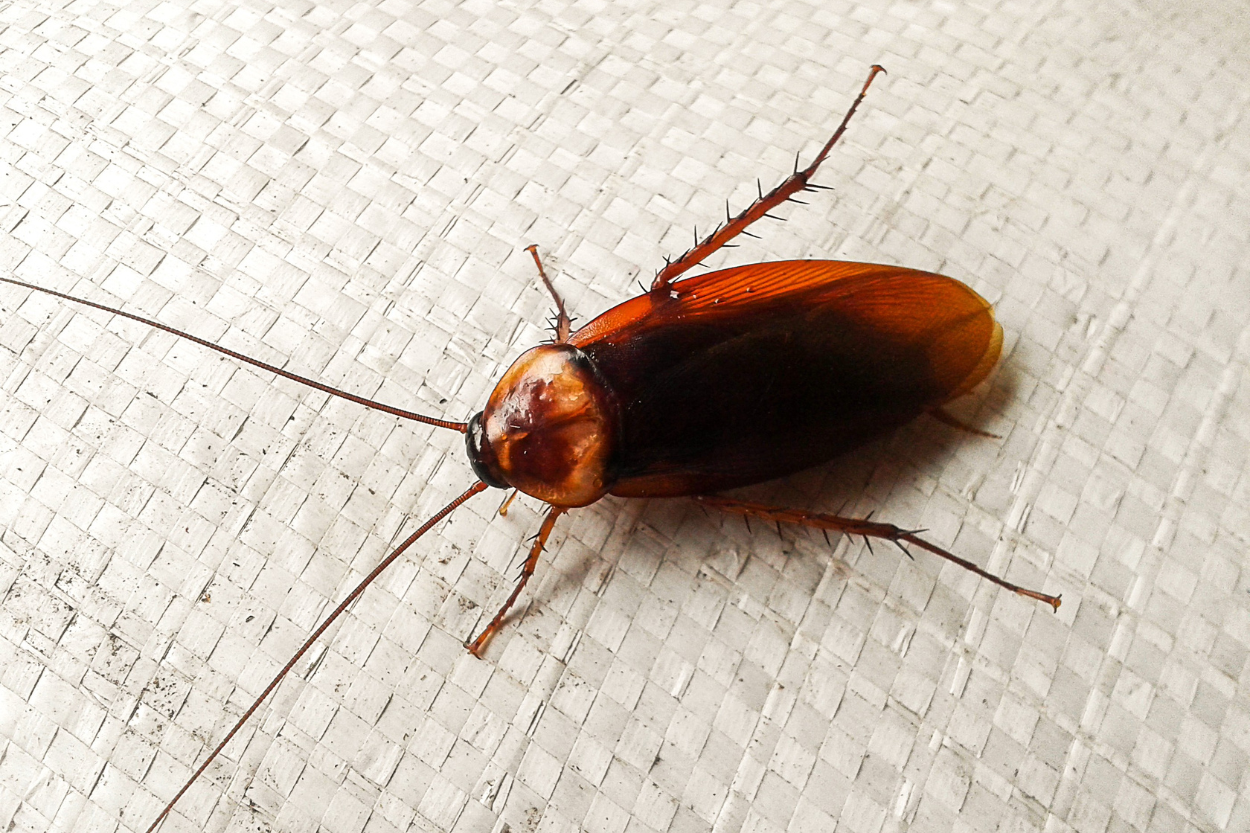
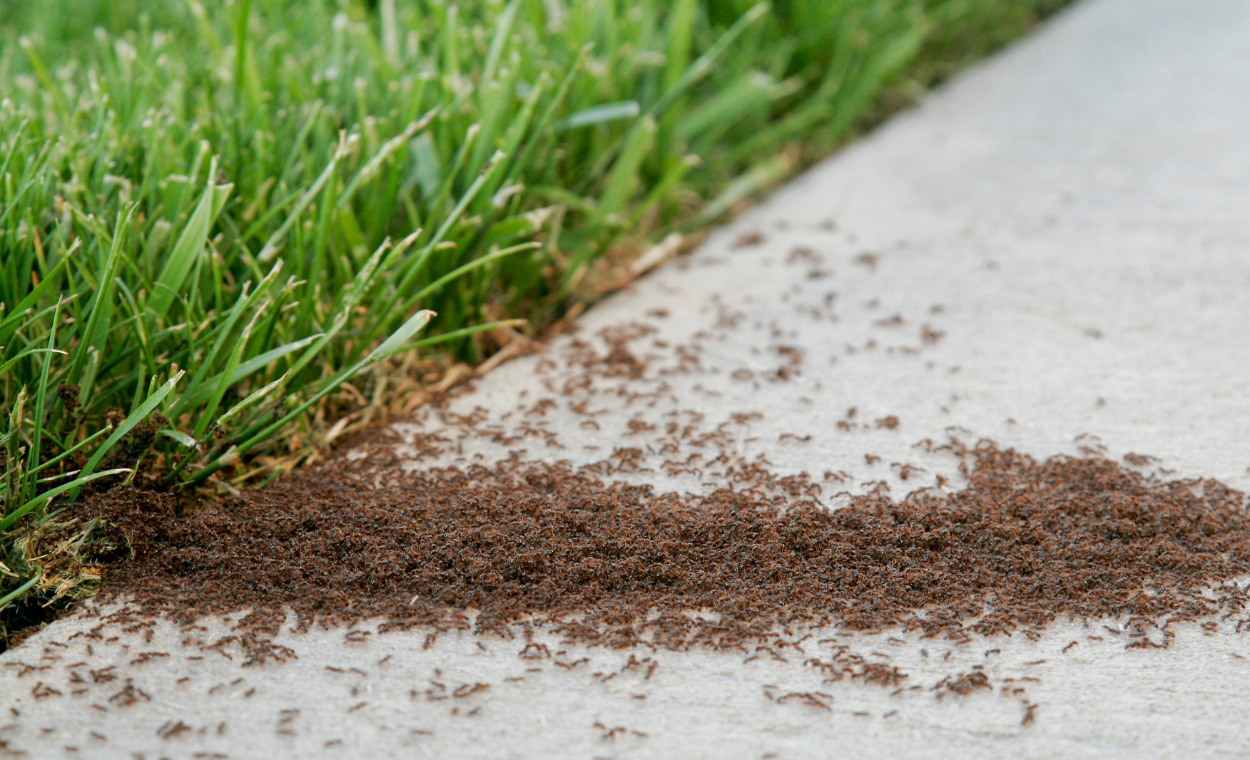

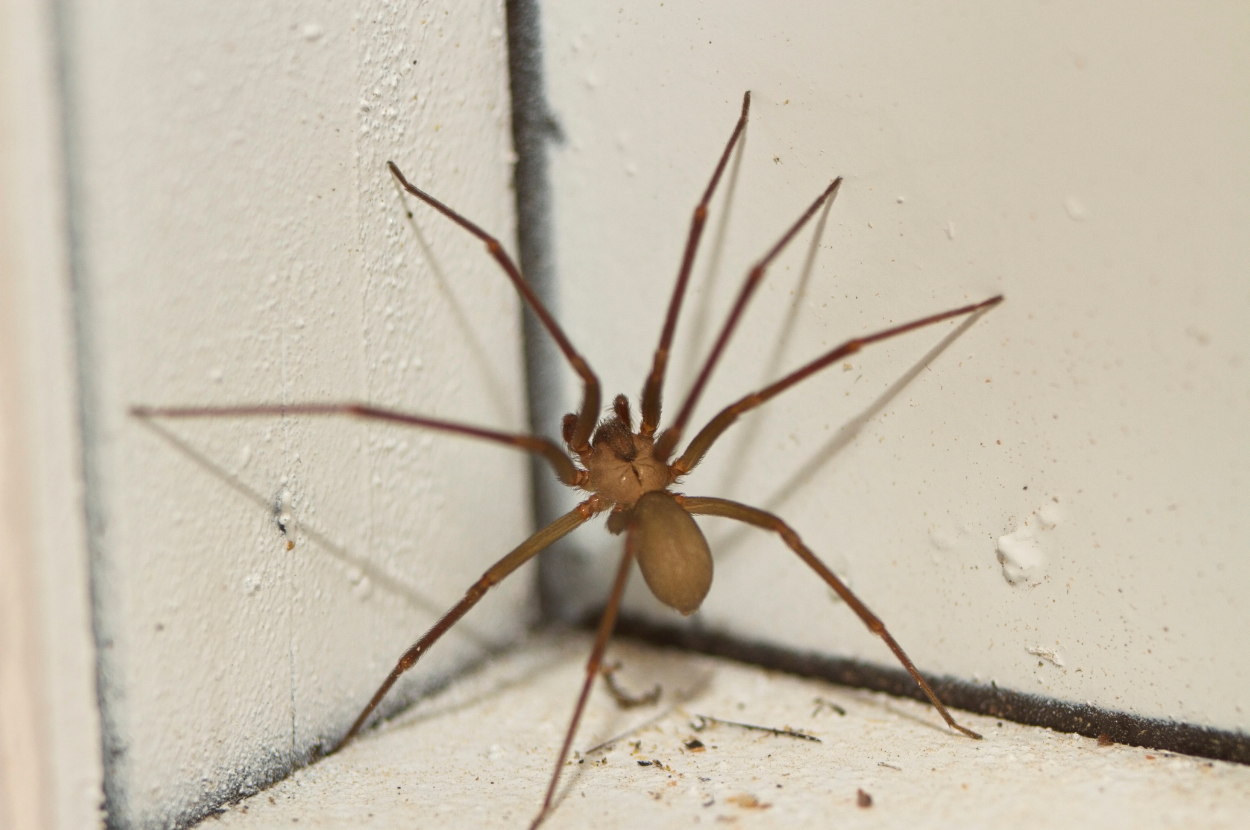

Anthem’s commercial core — the outlet shops, medical offices, and restaurants clustered along the retail corridor near the community park — deals with a different set of pressures than either residential side of town. Rodents and ants gravitate toward dumpster enclosures and loading docks, while scorpions occasionally work their way in through utility conduits and expansion joints in slab foundations. Retail tenants and restaurant operators along the outlet corridor also deal with seasonal ant pressure and the occasional roof rat above suite ceilings — issues that are easy to prevent with scheduled exterior treatment but expensive to fix once they reach a sales floor or kitchen line. We work with property managers and business owners on service plans that satisfy health and safety expectations without disrupting operating hours, whether that’s a restaurant near the Daisy Mountain Railroad, a medical office along the main retail strip, or a clubhouse serving the golf courses on the Country Club side. Because the outlet corridor sees a steady flow of delivery trucks and foot traffic, we also schedule exterior perimeter work during off-peak hours so treatment never interferes with customers or staff.
How the Seasons Play Out Here
- Spring (March–May): scorpion activity climbs sharply as overnight temperatures warm, and this is typically when homeowners see the first indoor sightings of the year
- Summer (June–September): monsoon storms send runoff through the washes below Daisy Mountain, pushing rodents and scorpions toward higher, drier ground — which often means your yard; golf course irrigation keeps mosquito pressure elevated through the same stretch
- Fall (October–November): ants and spiders move indoors seeking shelter as nighttime temperatures start to drop, and this is a common window for termite swarmers to appear near irrigated turf
- Winter (December–February): activity slows but rarely stops; block walls and attics stay warm enough for pack rats to nest through the cooler months
Anthem’s location at the edge of the desert means pest pressure here rarely follows a predictable calendar, and it doesn’t look the same on both sides of Anthem Way, either — a Parkside yard against open desert and a Country Club lot against a golf pond need different treatment approaches even though they’re a few miles apart. Homeowners just south in Carefree deal with many of the same foothill challenges, just without the golf course irrigation adding mosquitoes to the mix. New construction on Anthem’s northern edge, still expanding toward Daisy Mountain, tends to see the heaviest early scorpion pressure, since freshly disturbed desert around a new build displaces whatever was living there before. A pest control plan built around this specific terrain, rather than a one-size-fits-all schedule, is what actually keeps scorpions and rodents out of an Anthem home year-round — and getting one started is easier than most homeowners expect.