
Termite and Pest Control in Arizona City
Arizona City sits dead flat in the Santa Cruz Flats, boxed in by three low mountain ranges — the Sawtooth Mountains to the south, the Picacho Mountains to the east, and the Casa Grande Mountains to the north — and that basin geography is exactly why pest problems here don’t behave like they do in Phoenix or Tucson. At roughly 1,500 feet of elevation, the community sits almost exactly halfway between the two big cities, about sixty miles from each, which means it doesn’t get the same level of attention from pest control companies based in either metro. Scorpions and rodents funnel down out of those surrounding ranges toward the only real shade and moisture for miles around: your yard.
Ask around and you’ll hear the same short list from most homeowners. Bark scorpions show up in bathrooms and closets more often than anywhere shaded and cool. Roof rats and pack rats nest in the block walls and citrus trees that line older streets. The Arizona City Golf Club, an 18-hole course originally designed by Arthur Jack Snyder, brings ponds and irrigated fairways into the middle of an otherwise dry landscape, and those water features draw mosquitoes through the warmer months. The flat, irrigated farmland ringing the community pushes ants and crickets into homes along its edges whenever nearby fields get watered. Termites are the quieter problem — subterranean colonies work through irrigated turf and wood fencing without announcing themselves until damage is already done, which is why an annual termite inspection matters even when nothing looks wrong on the surface.
Why Homeowners Here Stick With Us
- We know the Santa Cruz Flats groundwater situation and how it changes pest behavior compared to closer-in Phoenix suburbs
- Treatment plans account for the golf course, canals, and irrigated fields that surround the community
- We service the wider stretch between Casa Grande and Eloy regularly, so response times don’t lag out here the way they can for companies based an hour away
- Flat, open terrain means we can identify entry points fast — there’s nowhere for a colony to hide for long
- We adjust treatment intensity by location within the community — a lot backing the golf course needs a different plan than one backing open desert or farmland
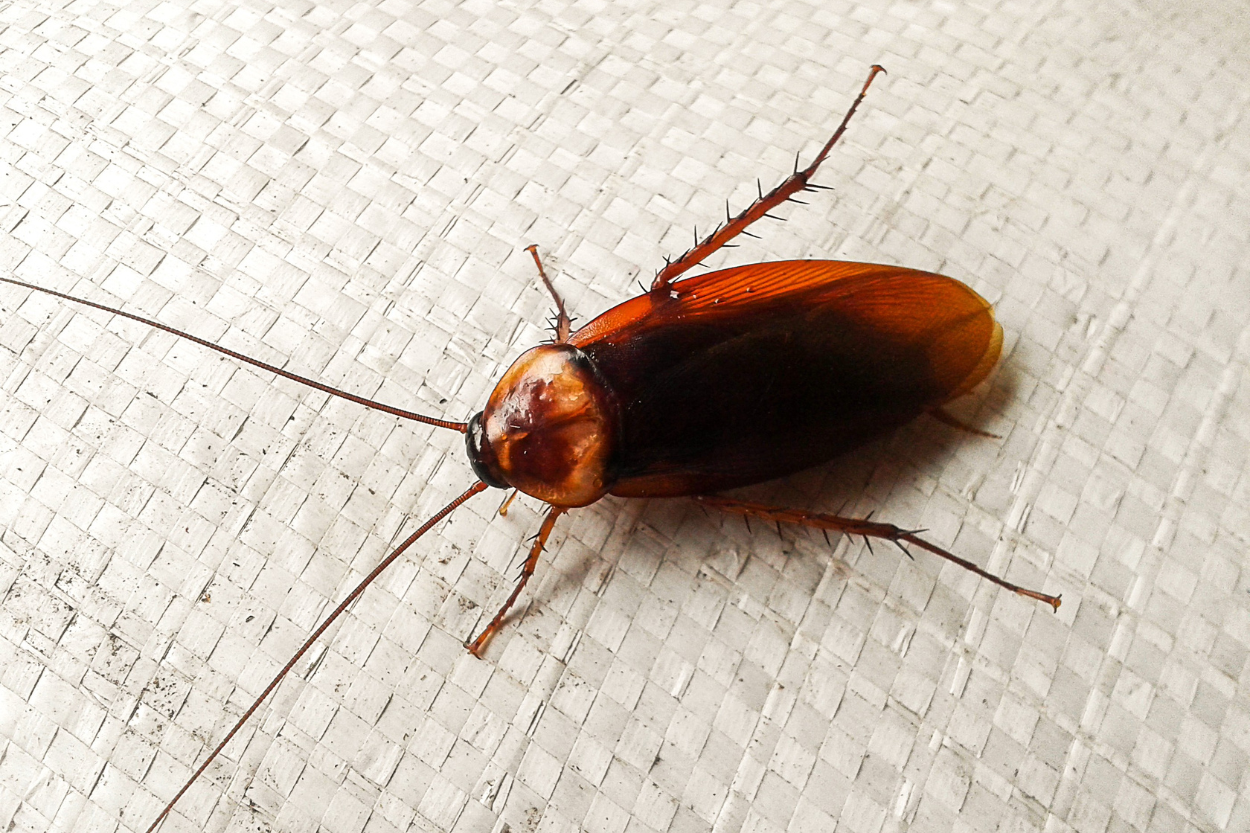
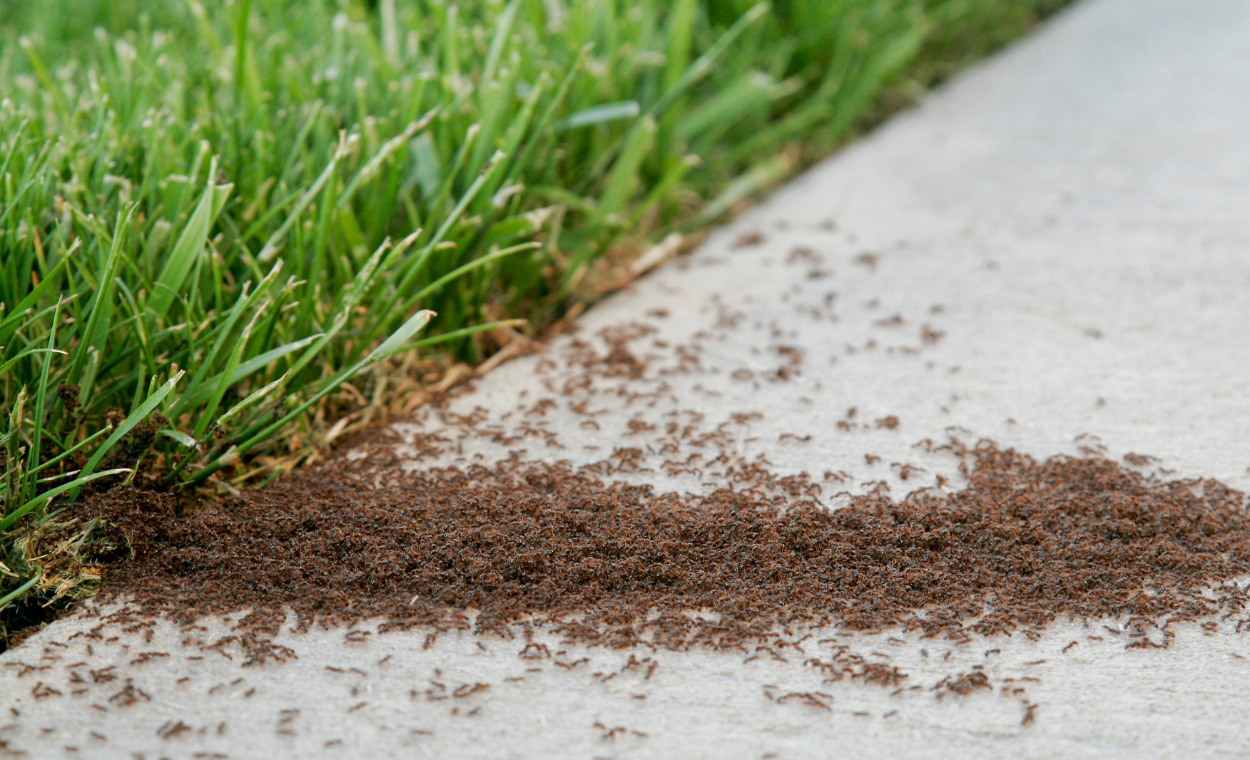

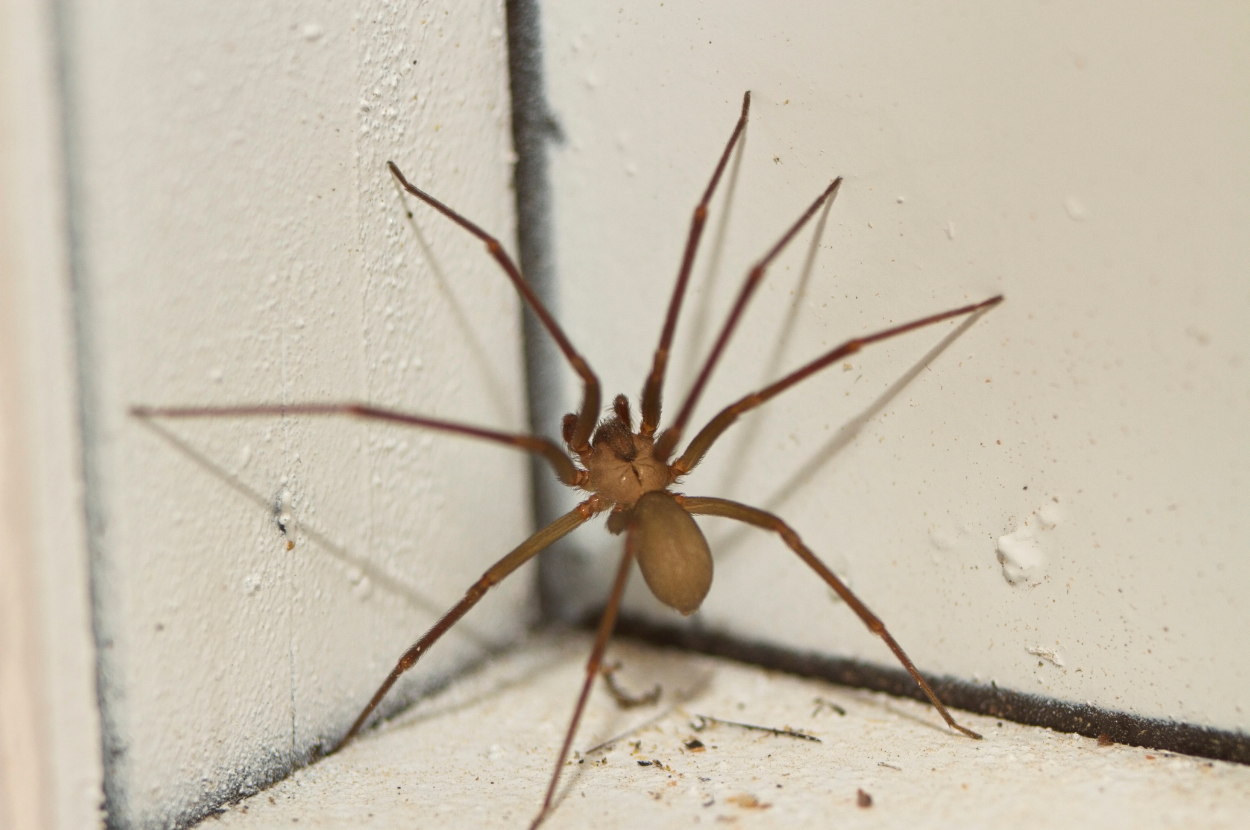

Between the golf course ponds, the irrigation canals, and the block walls backing up to open desert, Arizona City homes and the handful of businesses along the highway frontage face pest pressure from every direction at once. Residential service here focuses on sealing the gaps around stucco and block construction where scorpions and rodents get in, treating for mosquitoes near standing water, and keeping termite colonies out of irrigated landscaping before they reach a home’s wood framing. Homes closer to the golf course tend to need more attention to mosquito breeding sites and turf-line termite activity, while homes on the outer edges of the community, closer to open desert and farmland, see more scorpions and rodents working their way in from outside. Commercial customers — gas stations, small retail, and the golf clubhouse itself — need the same perimeter approach, just scaled to a bigger footprint and usually paired with more frequent monitoring near dumpsters and water features. Because Arizona City is unincorporated and spread out, most properties here sit on larger lots than a typical Phoenix subdivision, which actually works in a homeowner’s favor once a perimeter plan is in place — more distance between the house and the desert edge, but also more landscaping and outbuildings to account for during an inspection.
Summer monsoon runoff is the big seasonal event here: storms push water across the flats fast, and pests move with it, so scorpion and rodent sightings spike right after a good rain, and standing water left behind gives mosquitoes a head start. Spring brings the first wave of scorpion activity as nights warm up, usually a few weeks ahead of what homeowners in Phoenix proper notice. Fall cools things down gradually, and ants and crickets from the surrounding farmland tend to make one more push indoors before winter. Winter itself is quieter, but a mild afternoon can still bring scorpions out to hunt, so it’s never really a season to ignore completely out here. Because harvest schedules on the surrounding farmland vary year to year, the exact timing of ant and rodent pressure can shift a few weeks either direction, which is one more reason a fixed, one-size-fits-all calendar doesn’t work as well out here as it might closer to Phoenix.
Arizona City isn’t Phoenix, and it isn’t Tucson — it’s its own environment, shaped by the flats, the surrounding mountain ranges, and the farmland at its edges, and roughly equidistant from Casa Grande and Eloy. It needs pest control built around all of that, not a plan written for a Phoenix subdivision and applied out here without any changes. Whether your property backs up to the golf course, sits along a canal, or borders open desert on the community’s edge, the treatment plan should reflect exactly that, not a generic template. We’re already out here regularly, so getting a plan in place doesn’t mean waiting on someone to make a special trip.