
Termite and Pest Control in Coolidge
Just a few miles from the multistory adobe walls of Casa Grande Ruins National Monument — a Hohokam great house still standing after more than 650 years in the Sonoran sun, and the first archaeological site in the country to be granted federal protection, back in 1892 — Coolidge homeowners live with a version of the same lesson the site’s original builders learned the hard way. Out here, moisture, soil, and untreated wood determine how long a structure lasts, and a house left unprotected against what’s living in the ground around it won’t hold up much better than unmaintained adobe.
Termite and Pest Protection for Coolidge Homes
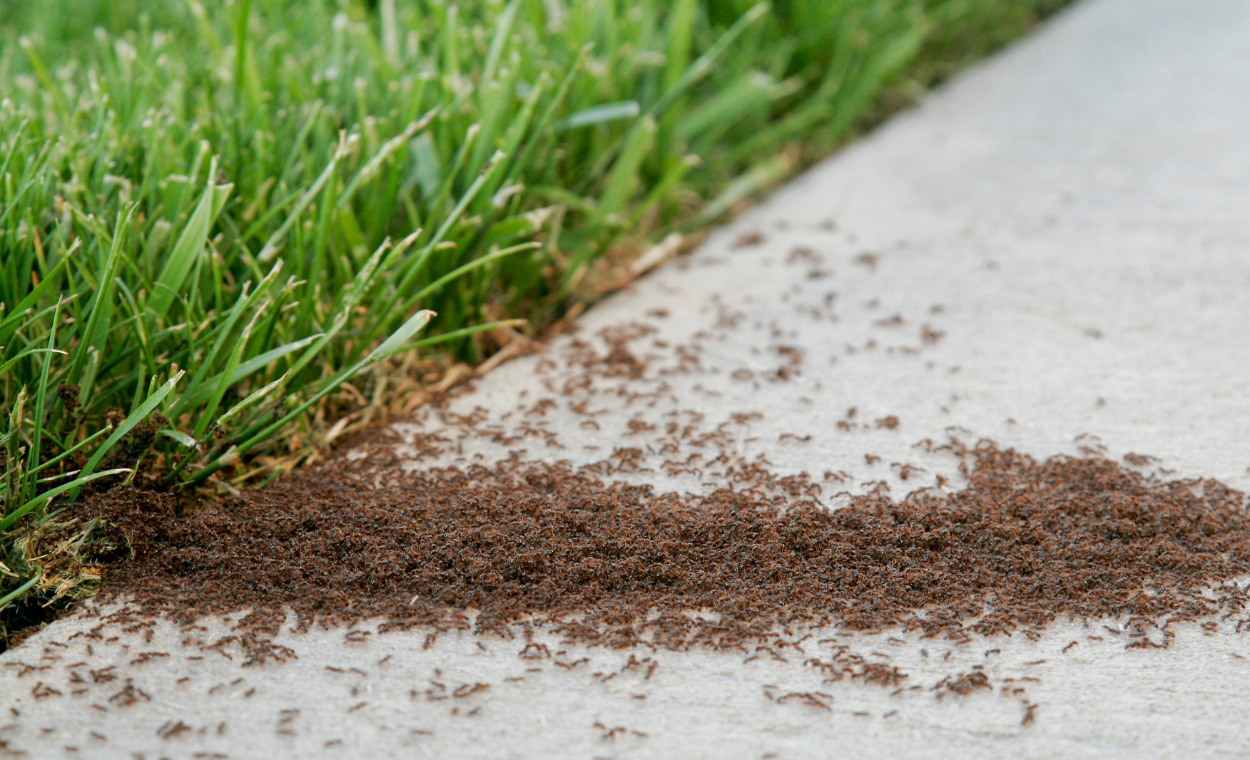
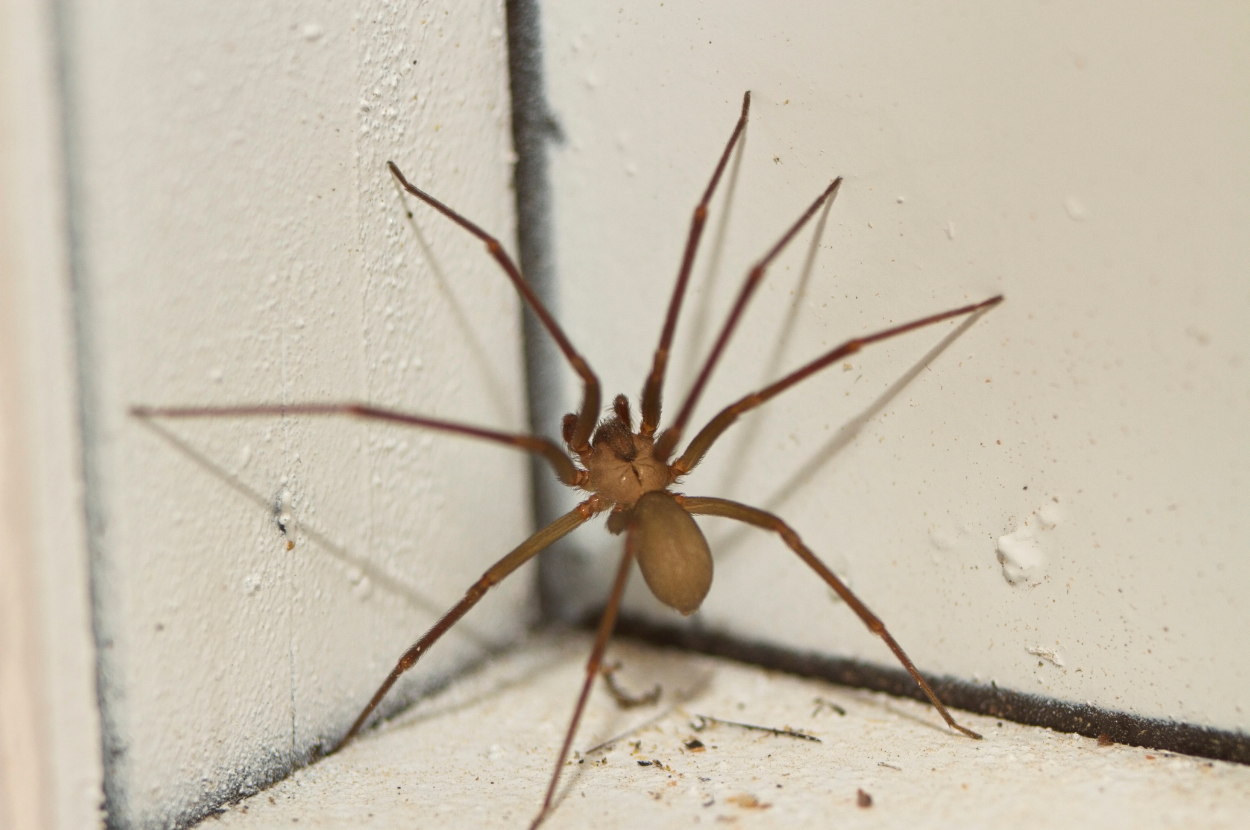
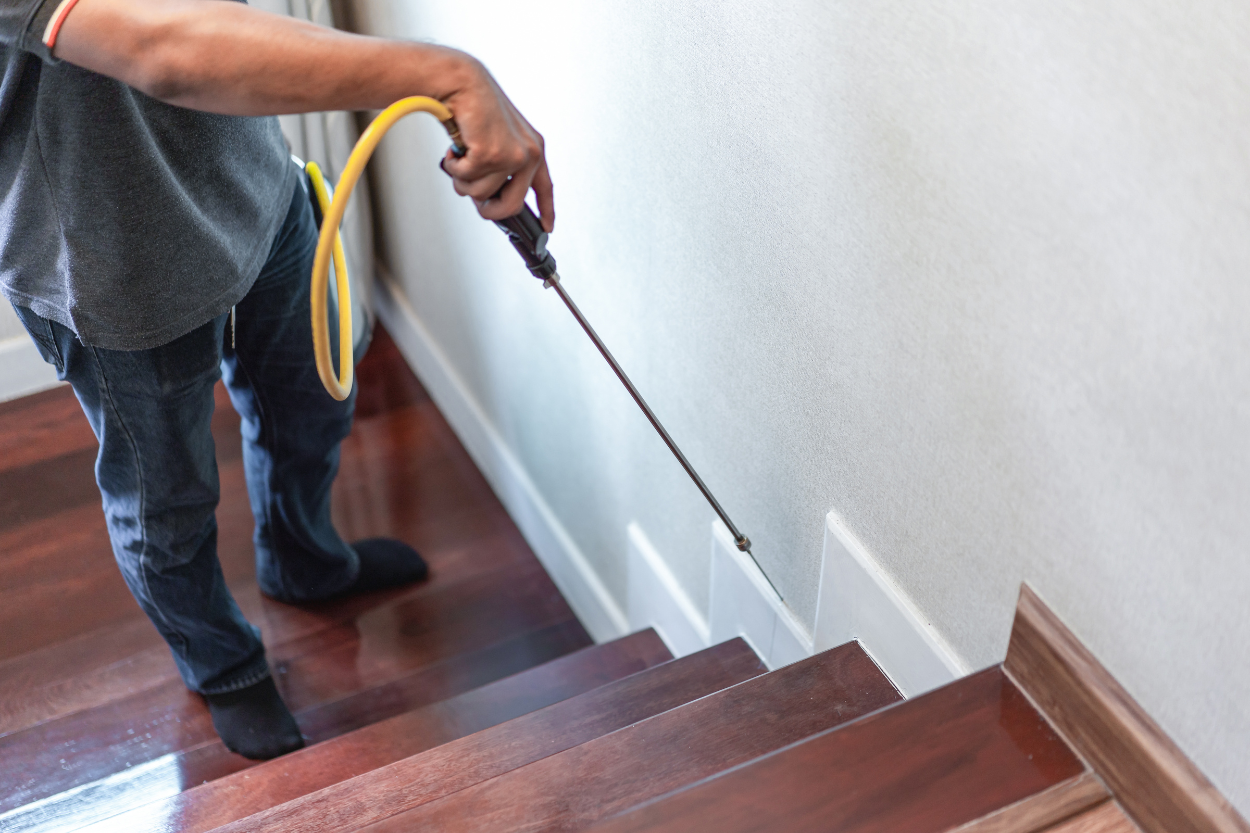
Coolidge sits on the same caliche-heavy, irrigated farmland soil that supported this stretch of the Gila River valley for a thousand years before the Hohokam built their great house, and that same soil holds moisture close to slab foundations in a way that draws subterranean termites straight toward a home. We inspect for the early signs of termite activity before they become a foundation-level problem, then build a treatment plan around your specific soil type, foundation, and irrigation setup rather than a one-size-fits-all barrier treatment. For general pest coverage, we treat the exterior perimeter, eaves, and entry points on a recurring schedule so ants, spiders, and crickets are addressed before they get inside, not after you’ve already found them in the kitchen. Older homes near the historic downtown grid tend to need a different approach than newer construction out toward the edges of town, and we adjust the plan accordingly rather than running the same barrier treatment on a 1940s foundation and a 2020s slab.
Pests We See Most Often in Coolidge
- Subterranean termites, active in irrigated soil near foundations and mature trees
- Bark scorpions, common in block walls, woodpiles, and detached outbuildings
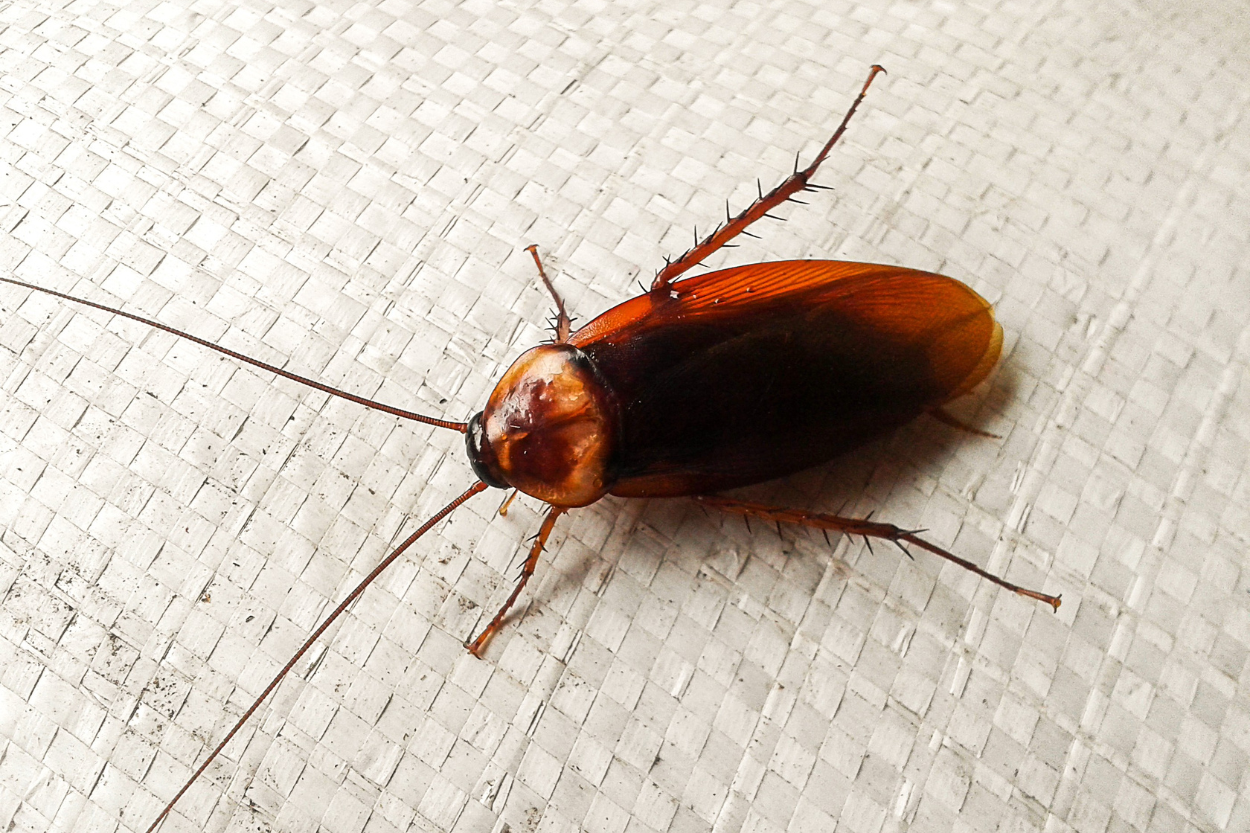
- Desert and American cockroaches, drawn in around irrigation lines and drainage
- Field-adjacent rodents, including pack rats and house mice, moving in from surrounding farmland
- Paper wasps and mud daubers nesting under eaves and patio covers

Protecting Coolidge Businesses
Coolidge’s commercial base is still closely tied to agriculture — grain storage, equipment yards, and the small businesses that serve the surrounding farm community — alongside a growing base of warehouses and light industrial tenants drawn by cheaper land and easy access to State Route 87 and State Route 287. Farm-adjacent commercial properties deal with rodent and insect pressure that a downtown Phoenix office never sees: field mice migrating in after harvest, stored-product pests around grain and feed storage, and rodent activity at loading docks that can shut down an audit fast if it’s not under control. We scope commercial service around what’s actually stored or grown nearby, with exclusion and monitoring built in, not a generic office-park spray route applied to a farm town. Restaurants and small retail along the historic downtown strip get a different plan altogether, built around health-code compliance and roach and rodent pressure rather than field-adjacent rodent traffic, because a diner near the old rail line has almost nothing in common, pest-wise, with a cotton gin outside city limits.
Seasonal Pest Trends Around Coolidge
- Spring: termite swarmers emerge as soil warms and irrigation ramps up for planting season
- Summer monsoon: scorpion activity peaks and field rodents push toward structures during storms
- Fall: harvest season drives rodents and stored-product pests toward homes and outbuildings
- Winter: cooler nights push scorpions, spiders, and roaches indoors through any unsealed gap
Because so much of Coolidge sits close to active or former farmland, seasonal pest pressure here tracks the growing calendar almost as closely as it tracks the weather — planting season, irrigation cycles, and harvest all move pests around well before temperature alone would.
No one is entirely sure why the original residents of the great house moved on around 1450, just a century after building it — but we’d rather you not find out the hard way what happens when a structure goes unprotected out here. Whether your home is a few minutes from the monument or out toward the edge of town on a bigger parcel, the goal is the same: a property that holds up as well as the one Coolidge is famous for, with a treatment plan built around your actual soil, foundation, and irrigation setup rather than a generic route driven by a technician who’s never seen your yard. If you’re closer to town center, our Casa Grande pest control team covers that side of the valley with the same soil-first approach, and either team can get you scheduled quickly without a long wait. Ready for a free estimate on your Coolidge property?