Termite and Pest Control in El Mirage
El Mirage sits in the West Valley about 25 miles northwest of downtown Phoenix, on flat, low-elevation desert terrain — roughly 1,129 feet above sea level — that traps summer heat and pushes daytime highs past 108°F for weeks at a time. That combination of low elevation, flat topography, and the open buffer land along Luke Air Force Base to the south creates a pest pressure profile that looks a little different from the rockier, higher-elevation parts of the Valley: less rock-pile shelter for pests to hide in, but more standing water after monsoon rain because flat ground doesn’t drain the way sloped terrain does. El Mirage covers roughly 10 square miles and traces back to a 1937 farming settlement on the west bank of the Agua Fria River, later joined by a World War II-era auxiliary pilot training field connected to what became Luke Air Force Base — a history that left the city with a mix of older, established construction near the core and newer development pushing toward the edges, and pest pressure varies with that age and construction type just as much as it varies with the weather.
Pest Activity by Species in El Mirage
- Bark scorpions — most active on summer nights above roughly 80°F; cluster around block walls and irrigated landscaping
- Subterranean termites — concentrated near turf, irrigation lines, and the older slab foundations common in El Mirage’s established neighborhoods
- Roof rats and house mice — move toward structures as open buffer land near Luke Air Force Base cools off in fall
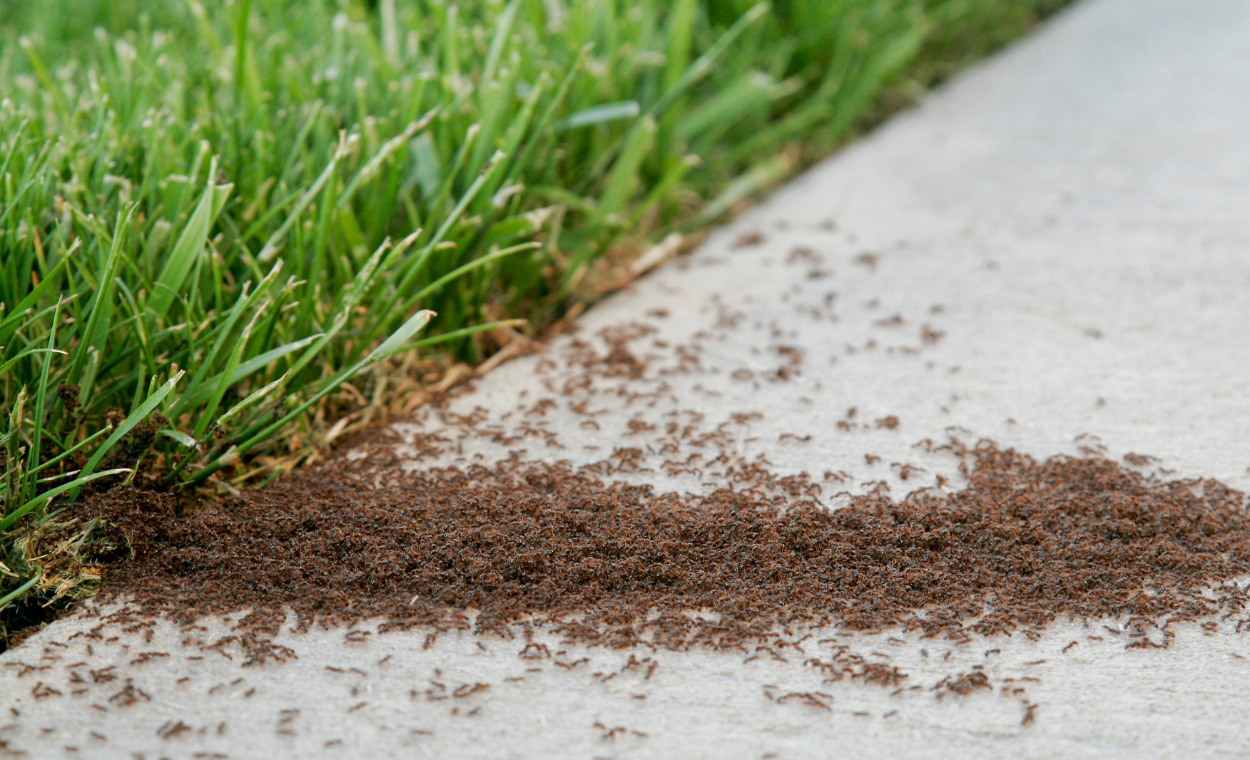
- Argentine and odorous house ants — trail heavily after monsoon rainfall on flat terrain where water pools instead of draining away
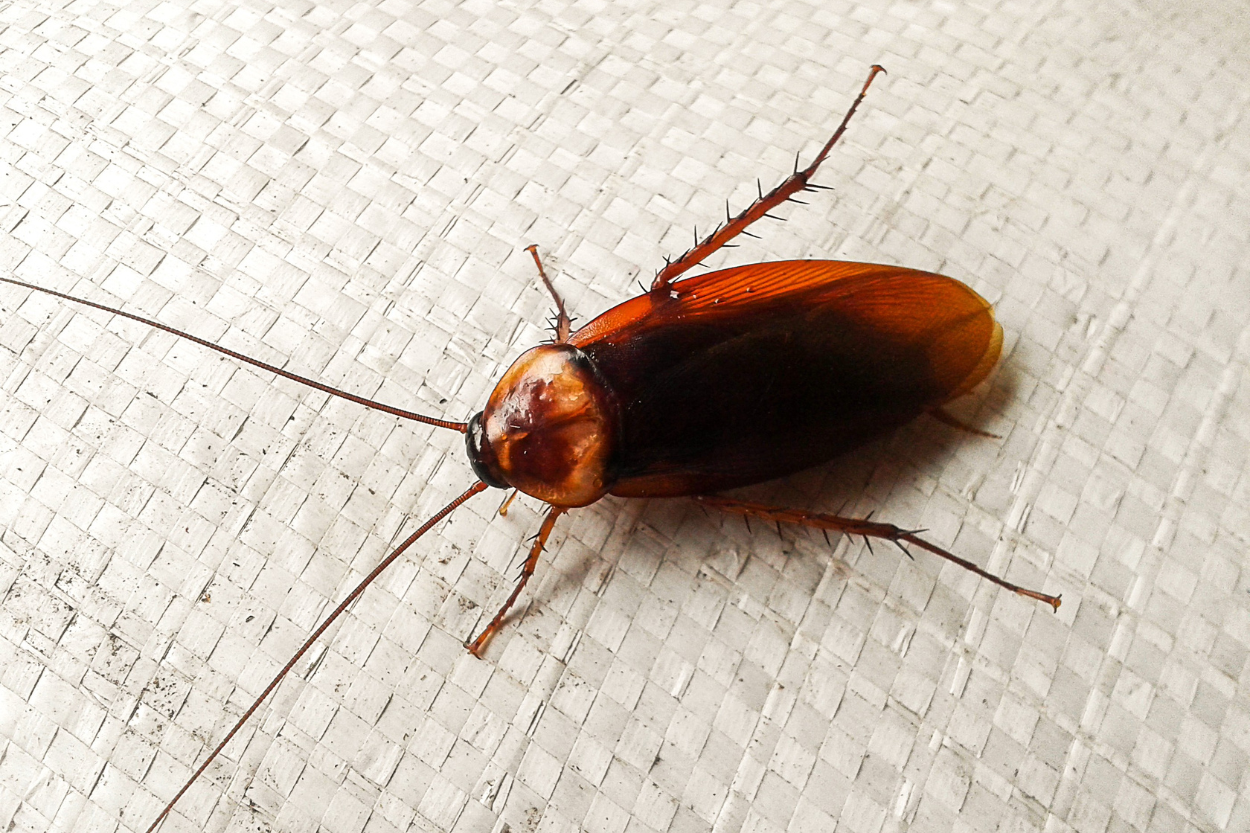
- American and German cockroaches — pressure concentrated around older multi-family housing stock and irrigation boxes
Most El Mirage homes end up on a monthly preventative pest control plan for exactly that reason — heat and flat terrain don’t give you much of a slow season to skip a treatment cycle.
Residential Protection Plan
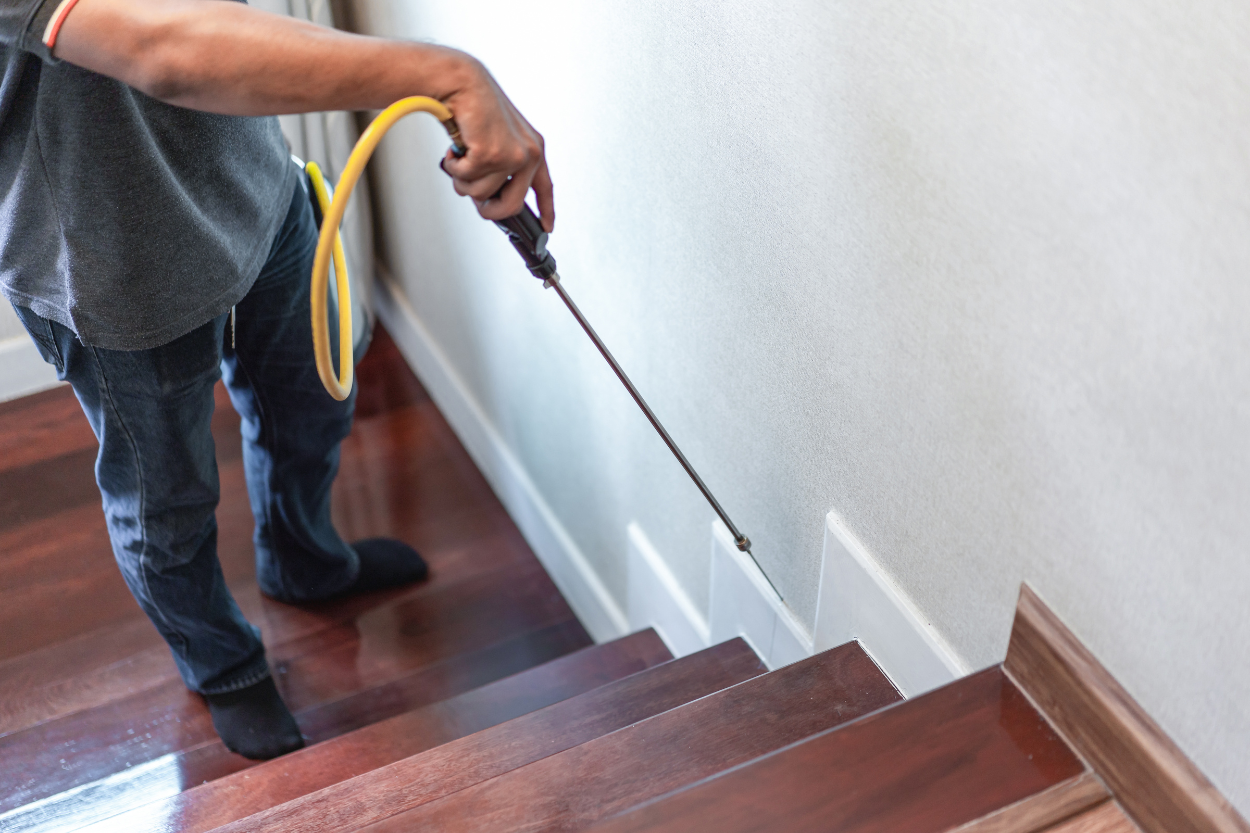
- Exterior perimeter treatment on a recurring schedule, adjusted for El Mirage’s flat-terrain drainage patterns
- Subterranean termite inspection focused on slab foundations and irrigation-adjacent soil
- Scorpion barrier treatment around block walls, patios, and pool equipment
- Rodent exclusion at rooflines and eaves ahead of the fall shelter-seeking season
- Interior spot treatment for ants and roaches, with follow-up scheduled around monsoon timing

Commercial Pest Control in El Mirage
El Mirage’s commercial footprint is smaller and more industrial than some of its West Valley neighbors, shaped in part by the open buffer land required around Luke Air Force Base to the south and by the light-industrial and warehouse development filling in along the Grand Avenue and El Mirage Road corridors. Agriculture is still part of the picture too, a holdover from the farming settlement that founded the city back in 1937, which means some commercial and light-agricultural properties deal with field-adjacent rodent pressure that a typical Valley office park never has to think about. Facilities in that mix — distribution space, contractor yards, and small retail strips — deal with a fairly narrow but persistent set of issues: rodent pressure at loading docks, roach activity in any building with food service, and termite risk anywhere older construction meets irrigated landscaping. We scope commercial accounts to the building type and documentation needs rather than running one standard route through every account on the schedule, and we work around operating hours so service doesn’t mean shutting down a bay or a storefront. Older commercial buildings closer to the city core tend to have more entry-point issues — gaps around aging construction that newer warehouse shells simply don’t have — so a first visit usually starts with an exclusion assessment rather than jumping straight to chemical treatment.
Seasonal Data for El Mirage
- Spring (March–May): rising soil temperatures trigger termite swarmer activity and early ant trailing
- Summer (June–September): peak scorpion activity plus monsoon-driven ant and termite swarms as humidity spikes
- Fall (October–November): rodents and roaches move toward structures as overnight temperatures start to drop
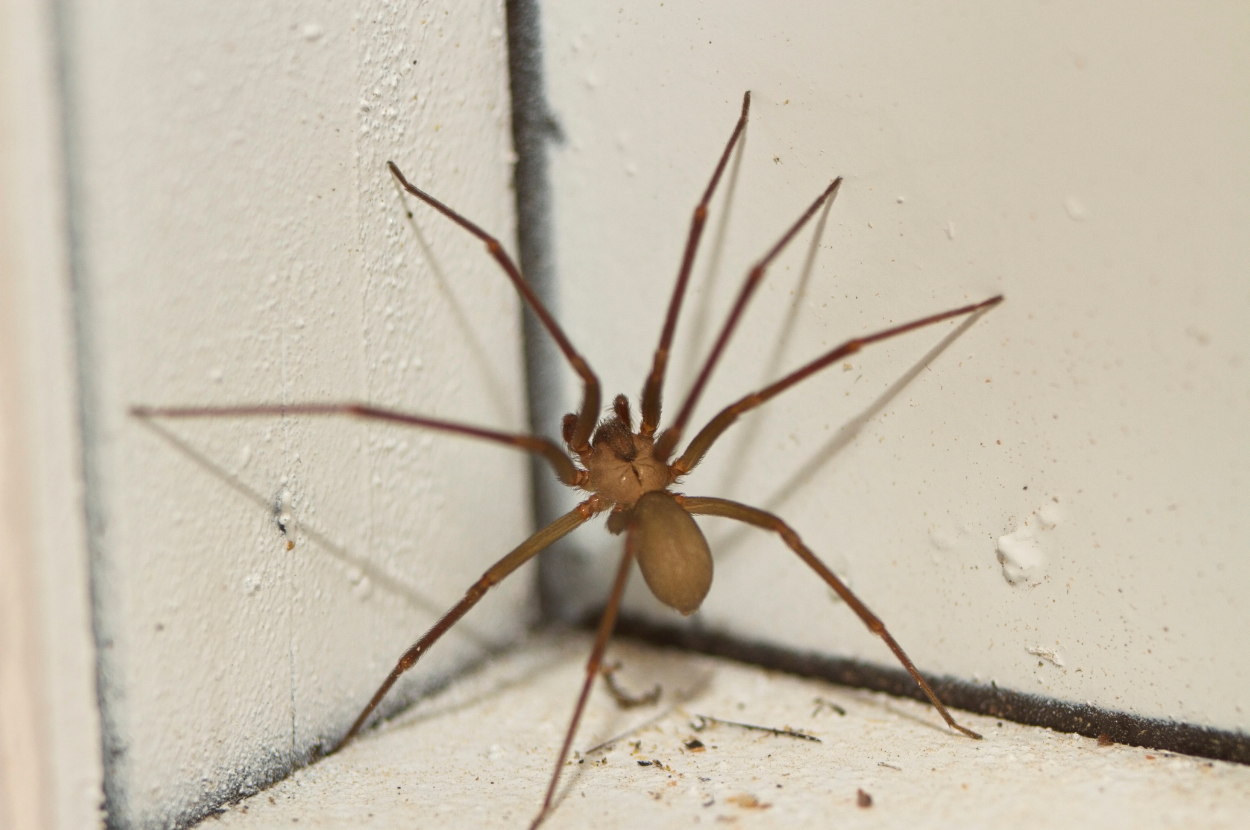
- Winter (December–February): outdoor activity slows, but late-sealed gaps still let spiders and crickets in from the cold
The numbers behind that seasonal breakdown come from years of service calls across the West Valley, not a generic Arizona pest calendar, and El Mirage’s specific mix of flat, low terrain and heavy summer heat means the swing between seasons tends to be sharper here than in neighborhoods with more shade and elevation change.
El Mirage’s flat terrain and long stretch of extreme heat mean pest pressure builds fast and doesn’t always announce itself the way it does in rockier parts of the Valley, and a property that looks clean in March can have an active termite colony or a scorpion population well established by July. If you’re closer to Grand Avenue on the Glendale side, our Glendale pest control team covers that stretch with the same data-driven approach to scheduling and the same fast response times. Ready for a free inspection?