
Termite and Pest Control in Queen Creek
Drive out toward the Queen Creek Olive Mill on a fall afternoon, past the horse properties and citrus groves that still give this town its rural feel even as new rooftops climb toward the San Tan Mountains, and you’re looking at exactly the kind of landscape that keeps pest pressure high here: irrigated agriculture, open desert foothills, and horse and hobby-farm properties all within a few miles of each other. Queen Creek has grown fast, but it hasn’t lost the mix of farmland, equestrian lots, and desert-mountain terrain that makes it different from the flatter, denser suburbs closer to central Phoenix — and that mix is exactly what shapes which pests show up on a given property. The olive mill itself sits on roughly 100 acres with thousands of olive trees, and it’s a good example of how much working agriculture is still active inside town limits — this isn’t a suburb that used to have farmland nearby, it’s a town where the farmland and the subdivisions sit side by side.
On the residential side, that means two very different types of homes need two different approaches. A newer build in one of Queen Creek’s master-planned communities near the town center deals mostly with the standard Valley pest lineup — ants, roaches, the occasional scorpion along a block wall — while a horse property or hobby farm out toward the San Tan foothills is managing all of that plus the rodents, flies, and moisture pests that come with livestock, feed storage, and irrigation. We scope every residential visit around which of those two situations actually applies, rather than running the same quarterly checklist on a quarter-acre lot and a five-acre horse property.
What Shows Up Most in Queen Creek
- Scorpions — common along the foothills of the San Tan Mountains and in block-wall landscaping throughout town
- Rodents — drawn to feed storage, barns, and citrus groves on horse and hobby-farm properties
- Termites — a risk anywhere irrigation keeps soil damp near a foundation, from olive groves to residential turf
- Flies and moisture pests — more common on properties with livestock or standing irrigation water
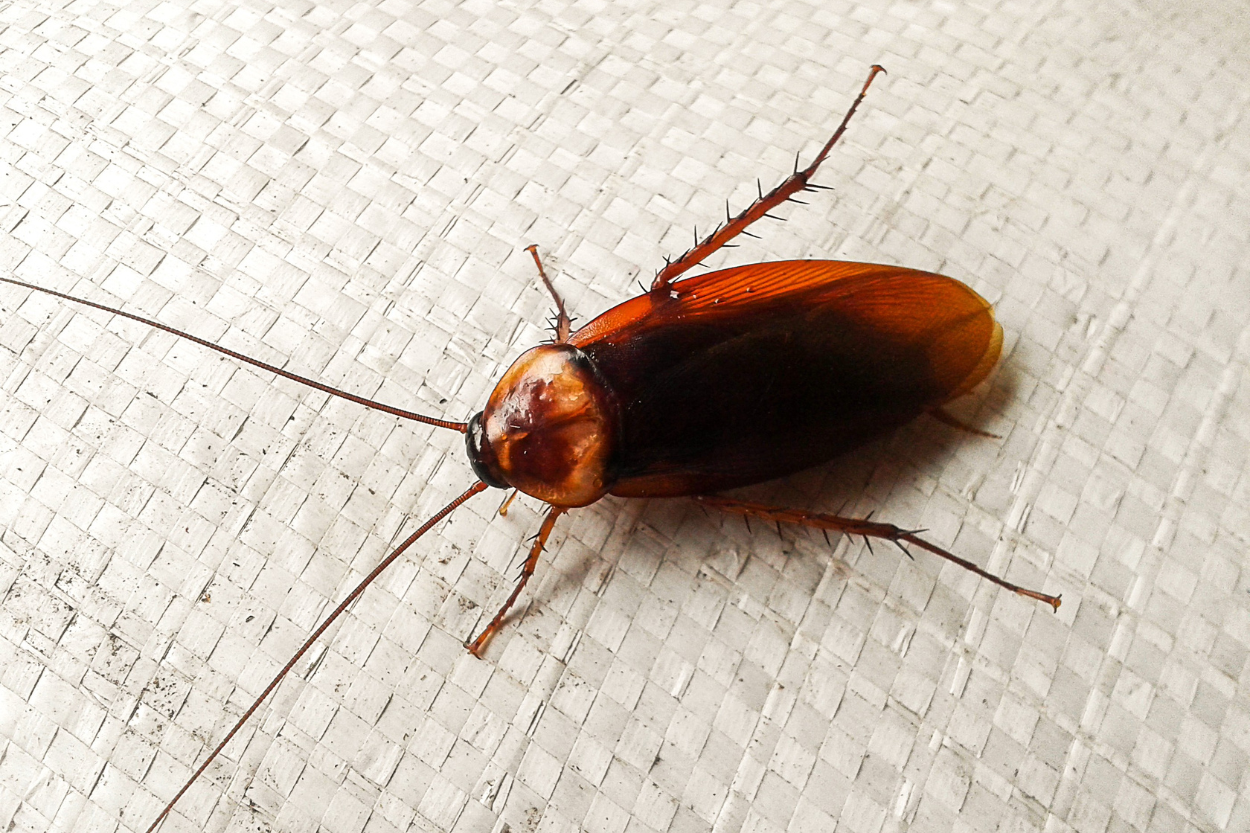
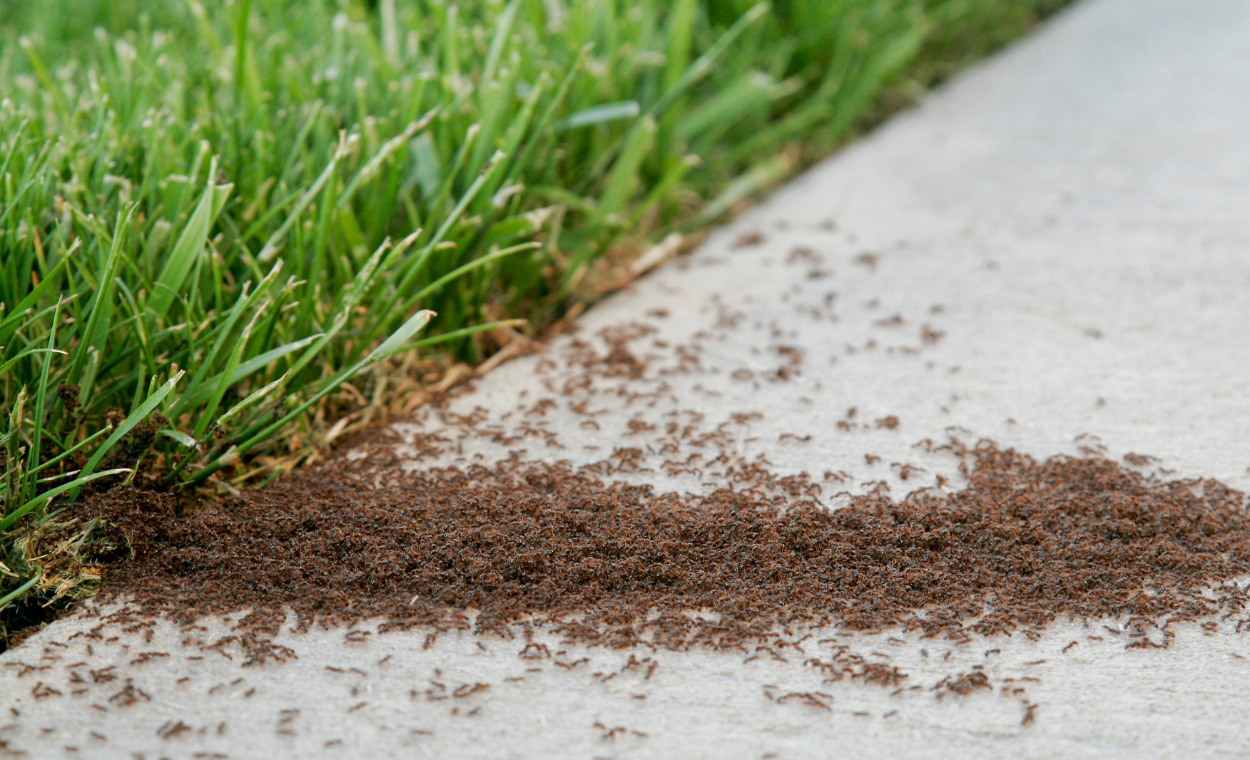
- Ants and roaches — the standard Valley pests, present in nearly every neighborhood regardless of lot size


Commercial Pest Control for Queen Creek Businesses
Queen Creek’s commercial corridor has grown alongside its population, with retail, dining, and agritourism destinations like the olive mill drawing visitors from across the Valley. Restaurants and food-service businesses need documented, scheduled pest control that holds up to a health inspection, and agritourism properties handling food production have an even higher bar to clear. Retail centers near the town’s core deal mostly with ants and occasional rodent pressure, while properties closer to the San Tan foothills or bordering open desert see more scorpion and spider activity working its way toward the building. We scope every commercial account around its actual location and use, rather than treating a downtown storefront the same as an agricultural operation. Agritourism sites in particular, where visitors are on the property daily, need pest control that’s effective without disrupting a working farm or a tasting room full of guests.
Life on a Horse Property or Hobby Farm
A meaningful share of Queen Creek’s housing stock isn’t a standard subdivision lot — it’s acreage with a barn, a round pen, citrus trees, or all three. Those properties change the pest math considerably. Feed and hay storage draw rodents faster than almost anything else on a residential property, standing water in irrigation ditches or livestock troughs creates breeding conditions for flies and mosquitoes, and outbuildings give termites and spiders far more square footage to establish in before anyone notices. Corrals and riding arenas add another layer, since disturbed soil and manure storage both attract flies and, indirectly, the rodents that follow an easy food source. Treating a five-acre horse property like a quarter-acre subdivision lot usually means missing most of where the actual problem is starting.
Seasonal Trends
- Spring: Termite swarms and rising ant activity as temperatures climb and irrigation ramps up.
- Summer: Peak scorpion season, especially on properties backing up to the San Tan foothills.
- Fall: Rodent activity increases on horse and hobby-farm properties as outdoor food sources shift.
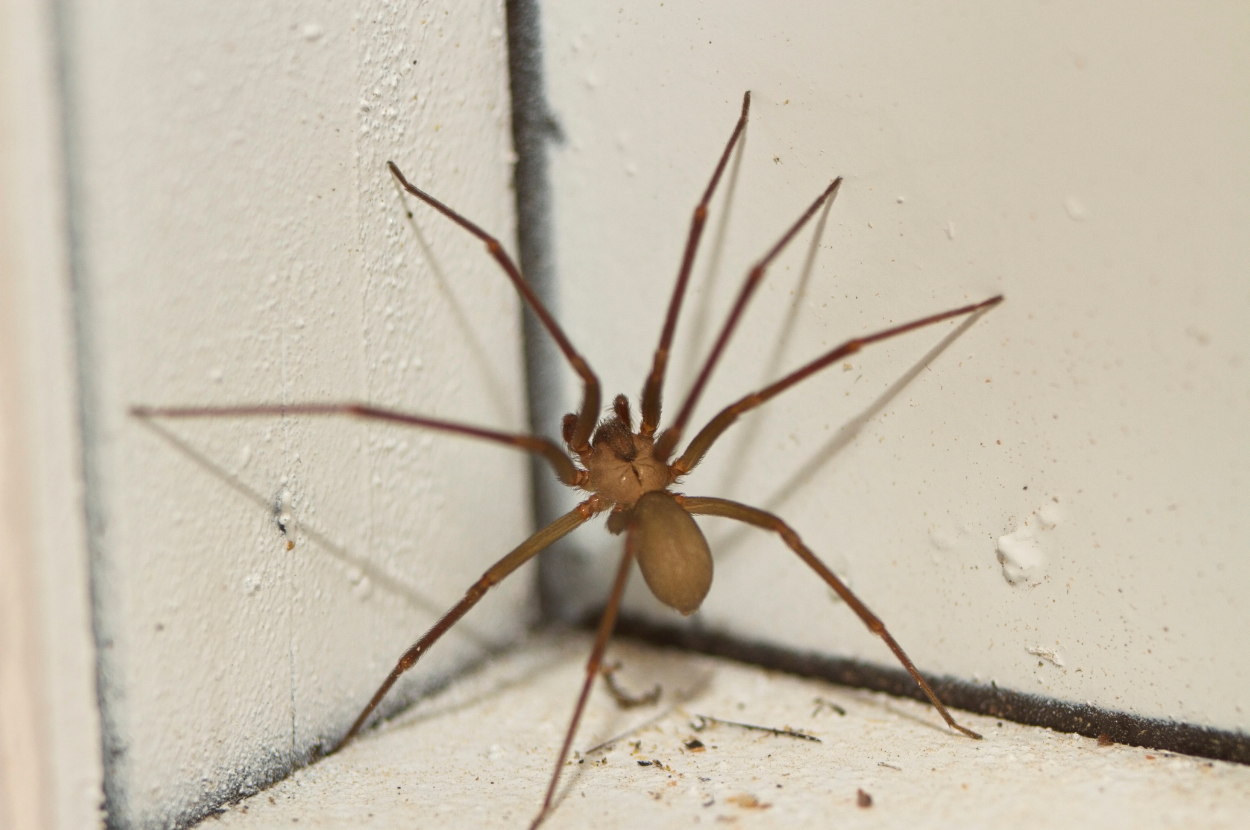
- Winter: Spiders and crickets move into garages, barns, and storage buildings; a good window for termite inspections.
Whether your Queen Creek property backs up to a citrus grove, sits on a few acres near the foothills, or is a few minutes from the shops on Ellsworth, the terrain around it is doing a lot of work to decide which pests you’re dealing with. That same mix of farmland and foothill desert continues right into neighboring San Tan Valley, and our routes typically cover both. Request a free estimate and we’ll put together a plan that actually matches your property.