
Termite and Pest Control in Rio Verde
Where the Tonto National Forest presses up against the McDowell Mountain Regional Park boundary east of Scottsdale, the high Sonoran Desert opens into Rio Verde — an unincorporated stretch of golf communities, horse properties, and desert homesites tucked into the Verde River drainage, with the fairways of the Tonto Verde Golf Club threading through the middle of it. The Verde River itself doesn’t run directly through the community, but its drainage and the washes that feed toward it shape the landscape, the vegetation, and ultimately which pests show up at your door. It’s a setting most Phoenix-area homeowners don’t get: national forest on two sides, a regional park on the third, and enough open desert in between that wildlife, and the pests that come with it, are never far from the property line. Rio Verde sits roughly ten miles east of Scottsdale and about seventeen miles north of Fountain Hills, close enough for a normal commute but far enough out that the desert here still behaves like actual wilderness rather than a landscaped buffer.
Residential properties in Rio Verde run the gamut from the gated, active-adult homes inside Tonto Verde — a community of more than 700 households built around two golf courses — to custom desert homesites on larger lots with well water and horse setups scattered around the rest of the area. What they share is proximity to undeveloped land, forest boundary on one side and wash or open desert on another, which means pest pressure here tends to run higher than in a walled-in Scottsdale subdivision. We treat the exterior perimeter, foundation, and entry points on every visit, and on larger lots we pay particular attention to detached structures like barns, tack rooms, and equipment sheds, since those often go untreated far longer than the main house and quietly become the actual source of an infestation. Well water systems, septic setups, and long private driveways are also common out here, and each of those adds another spot where moisture collects or ground contact gives pests an easy way into a structure, so we walk the whole property rather than just the footprint of the house.
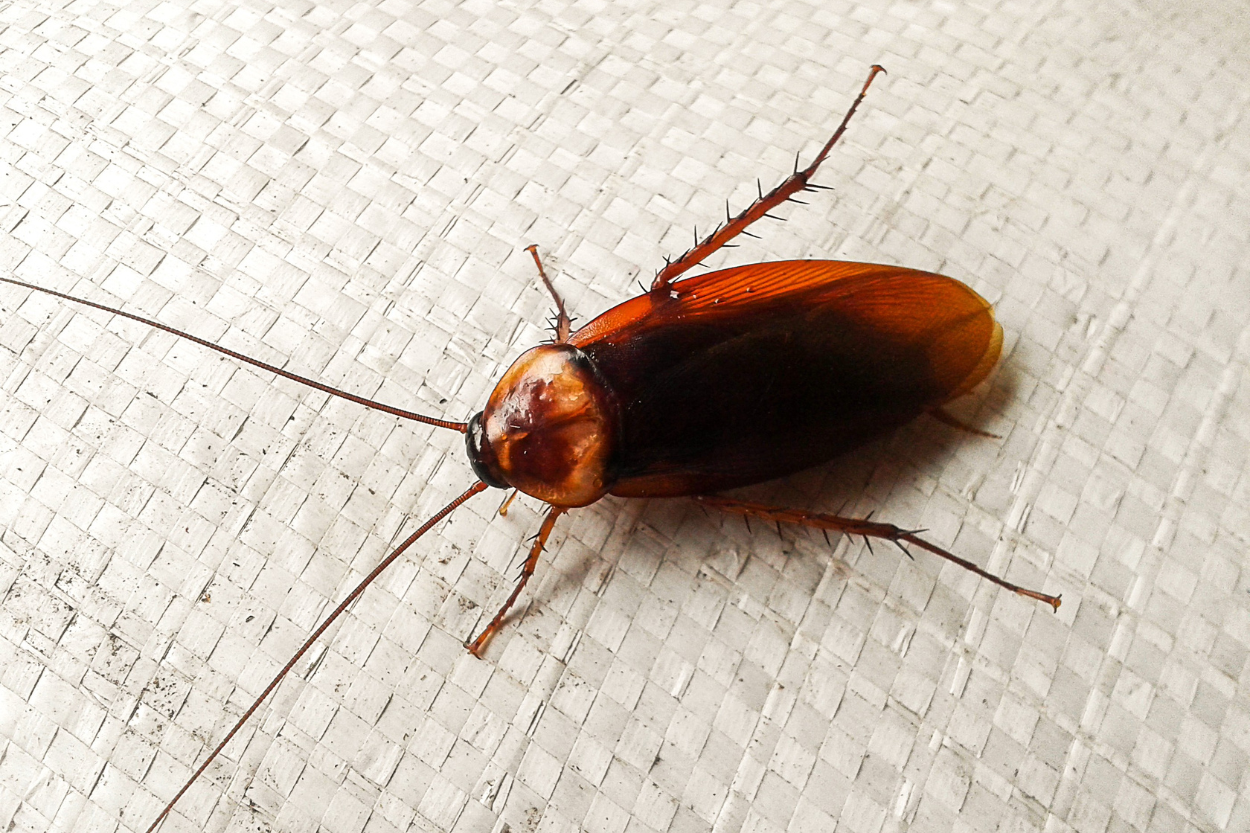
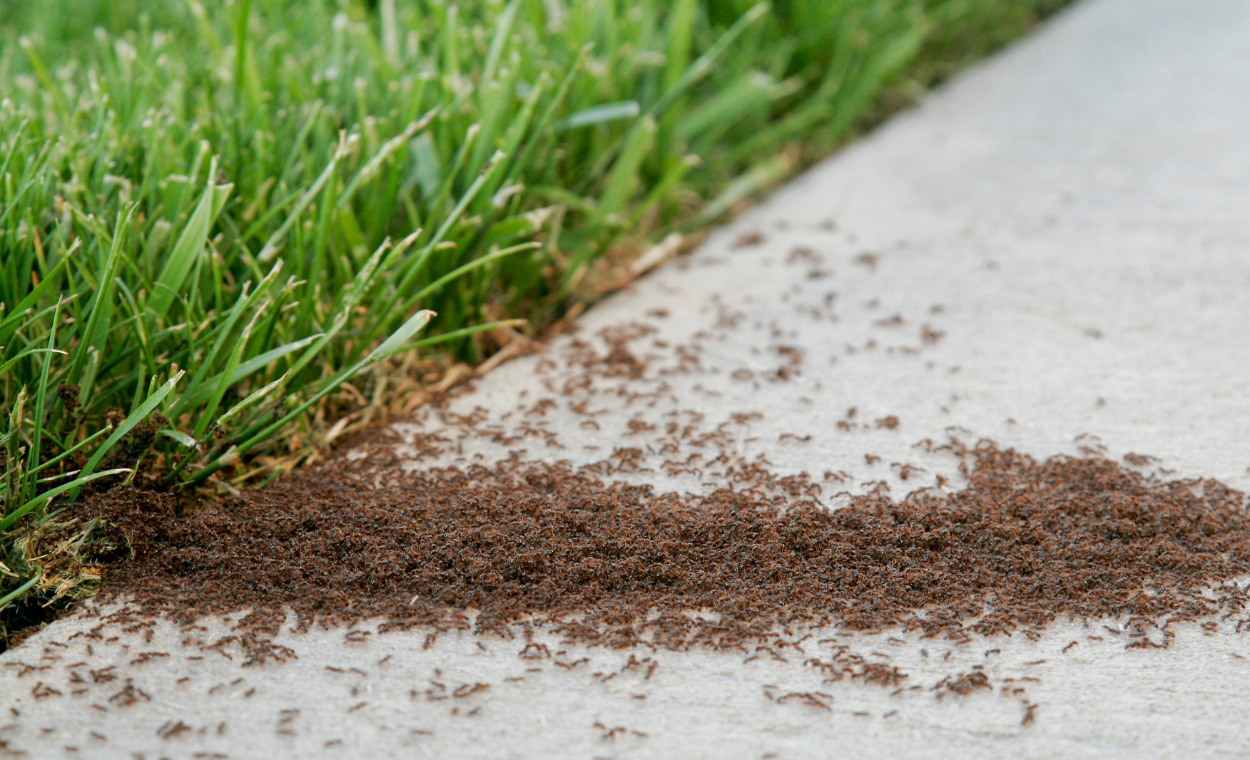

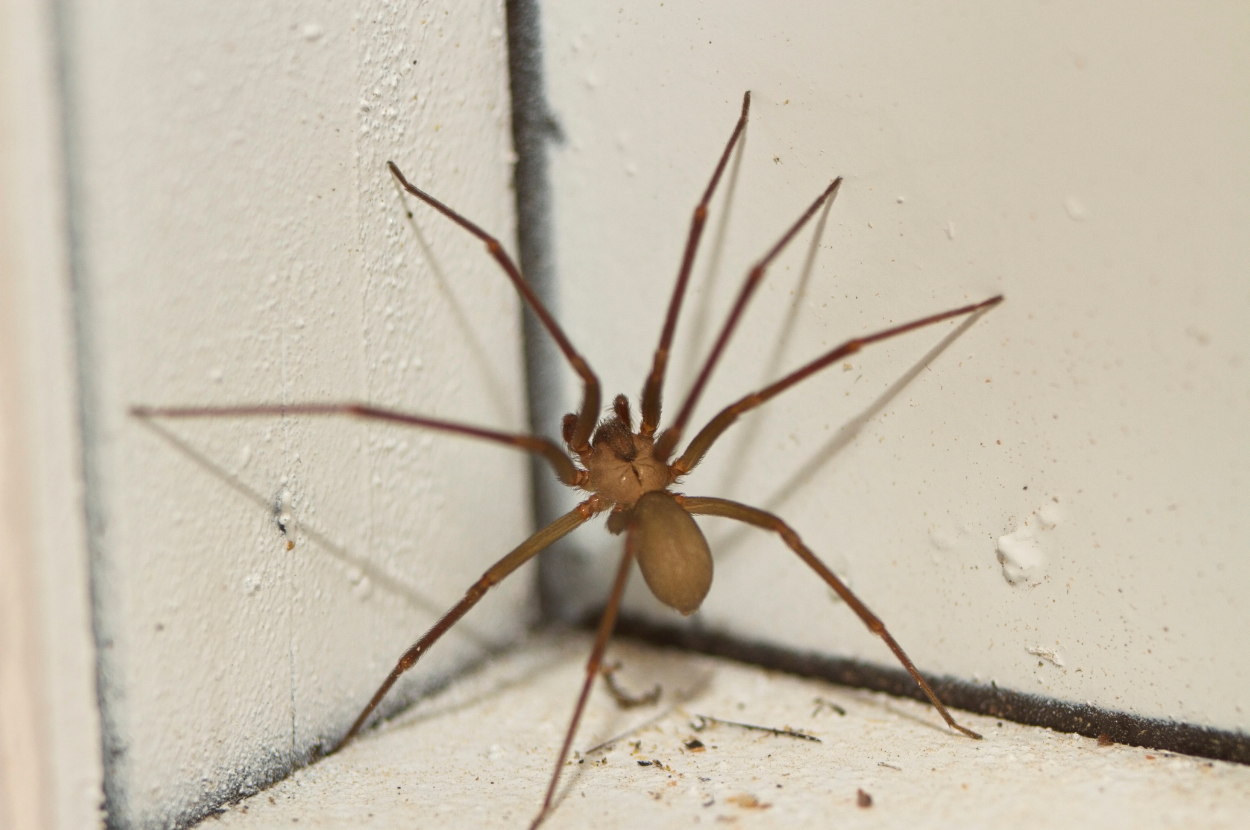

What Shows Up on Rio Verde Properties
- Bark scorpions — common along rock landscaping and block walls throughout Rio Verde and Tonto Verde
- Africanized honey bees — frequently establish hives in old saguaros, wall voids, and outbuildings on forest-adjacent lots
- Rodents — pack rats and field mice move in from the surrounding desert and forest boundary, especially onto horse properties and larger lots
- Termites — subterranean termites are drawn to irrigation and turf areas around golf-course homes
- Mosquitoes — low-lying areas near the Verde River drainage and community water features can hold standing water after monsoon rain
- Spiders — black widows in particular favor undisturbed barns, sheds, and stacked patio furniture
Commercial and community operations in Rio Verde are limited mostly to the Tonto Verde clubhouse, golf course operations, and a handful of small service businesses, but the same forest-and-wash proximity applies. Shared irrigation, water features, and landscaped common areas around a clubhouse create the kind of moisture pockets that draw mosquitoes and ants, and we address those with the same site-specific approach we’d use on a large residential lot — including targeted mosquito station service for properties near standing water or the river drainage, rather than a blanket fogging treatment that only knocks activity back for a few days. Community events and gatherings around the clubhouse also mean pest issues there affect a lot more households at once than a single-family callback would, so we tend to schedule those visits proactively rather than waiting for a complaint. Horse properties scattered around the wider Rio Verde area occasionally need a separate conversation entirely, since feed storage, stalls, and manure management create food and moisture sources that standard residential treatment plans aren’t built around, and we adjust the approach accordingly rather than applying a golf-community plan to a five-acre horse lot.
Seasonal Trends
- Spring: Bee swarms and termite swarmers increase as temperatures rise out of winter
- Summer/Monsoon: Peak scorpion and mosquito activity, particularly after storms near the Verde River drainage
- Fall: Rodents move from the forest boundary and open desert toward structures as temperatures drop
- Winter: Activity slows, making it a good window for termite inspections and exclusion work before spring
Living this close to the Tonto National Forest and McDowell Mountain Regional Park is a big part of what makes Rio Verde worth the drive out from Scottsdale, and it’s also exactly why a generic suburban pest plan doesn’t hold up out here — we also service nearby Fountain Hills, so we know the terrain on both sides of the forest boundary. If you’d like a property assessment built around your specific lot, forest line, or golf-course frontage, reach out and we’ll get you scheduled.