
Termite and Pest Control in Sahuarita
About Pest Control in Sahuarita
Sahuarita has grown faster than almost anywhere else in Arizona — from a population of around 3,200 in the year 2000 to well over 38,000 today, making it one of the fastest-growing towns in the state. That growth has played out mostly inside master-planned communities like Rancho Sahuarita, Quail Creek, and Madera Highlands, all built along the I-19 corridor between Tucson and the Titan Missile Museum, the preserved Cold War-era ICBM site that put this stretch of road on the map decades before the housing boom arrived. New construction at this pace changes the pest picture: a lot of Sahuarita is recently graded desert, freshly landscaped with turf and irrigation, and surrounded by production agriculture and open desert that hasn’t caught up to the subdivisions yet. That combination brings its own set of pest control considerations that don’t necessarily apply to older, established Tucson neighborhoods. Whether you’re in an established pocket near the town center or a brand-new build still smelling of fresh drywall, the underlying desert and agricultural landscape around Sahuarita means pest pressure doesn’t wait for a neighborhood to finish building out.
- New construction disturbs established colonies. Grading and building on previously undeveloped desert displaces termite colonies, ant colonies, and rodent populations that were already living in the soil, sending them looking for the nearest new structure — which is often a brand-new Sahuarita home.
- Irrigation and turf create moisture where there wasn’t any before. Master-planned communities like Rancho Sahuarita rely on managed turf, lakes, and irrigation systems that didn’t exist in this stretch of desert a generation ago, and that steady moisture is exactly what subterranean termites, mosquitoes, and certain ants need to thrive.
- Proximity to agricultural land increases pest pressure. Sahuarita sits among farmland and open desert along the I-19 corridor, and that mix supports large rodent and insect populations that move into neighboring subdivisions as they expand outward.


Residential Services
- Subterranean termite inspection and treatment for slab-on-grade new construction
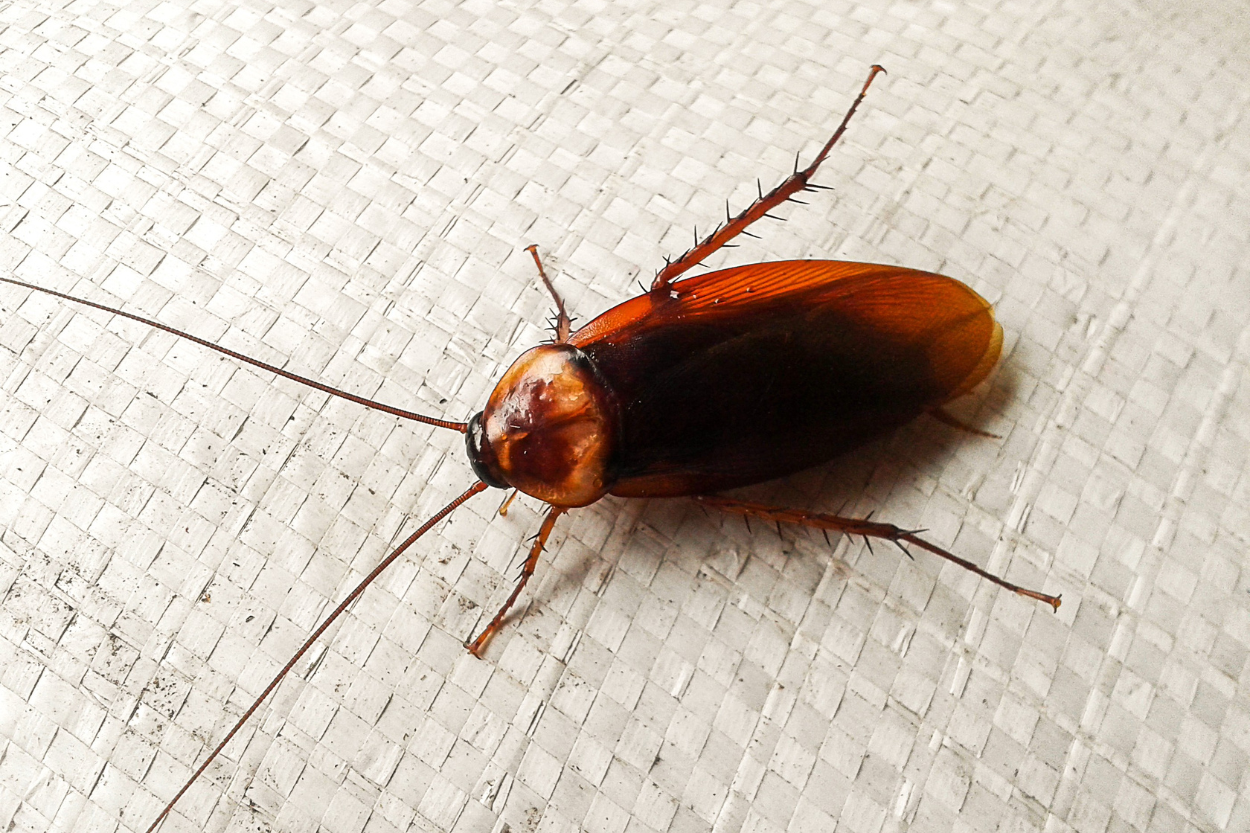
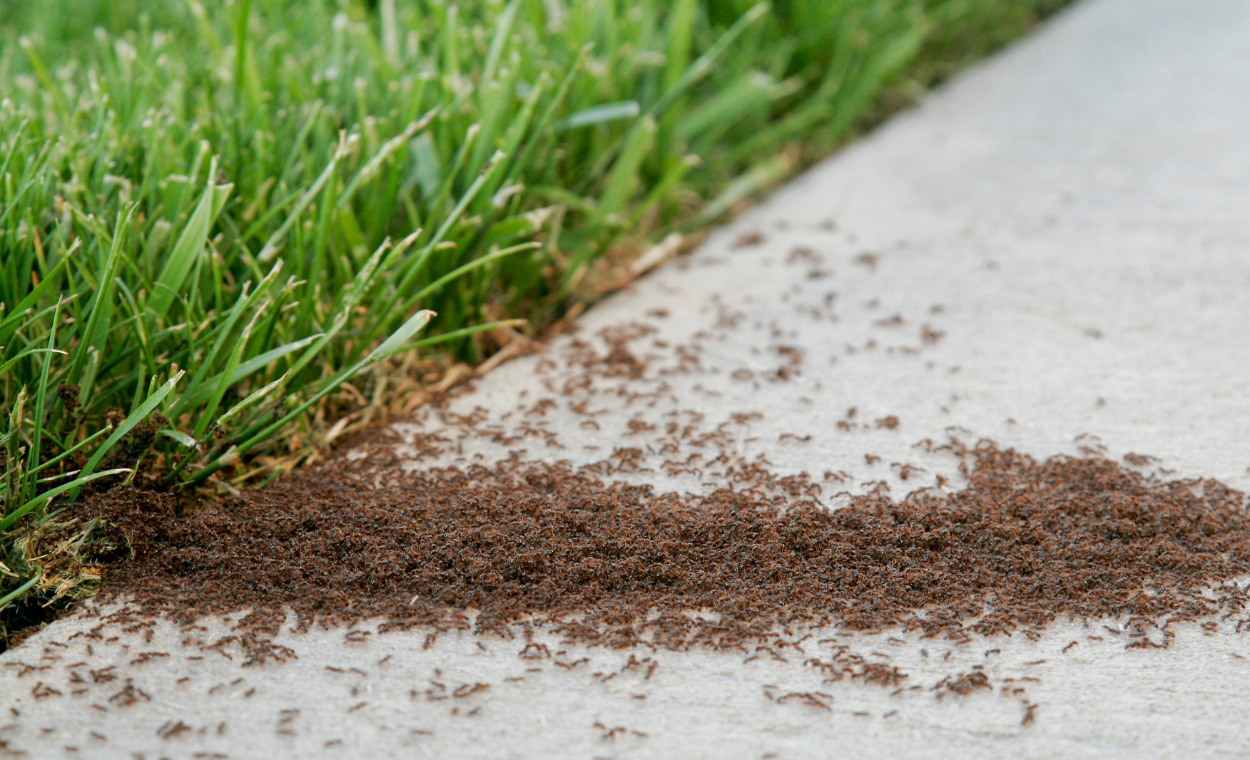
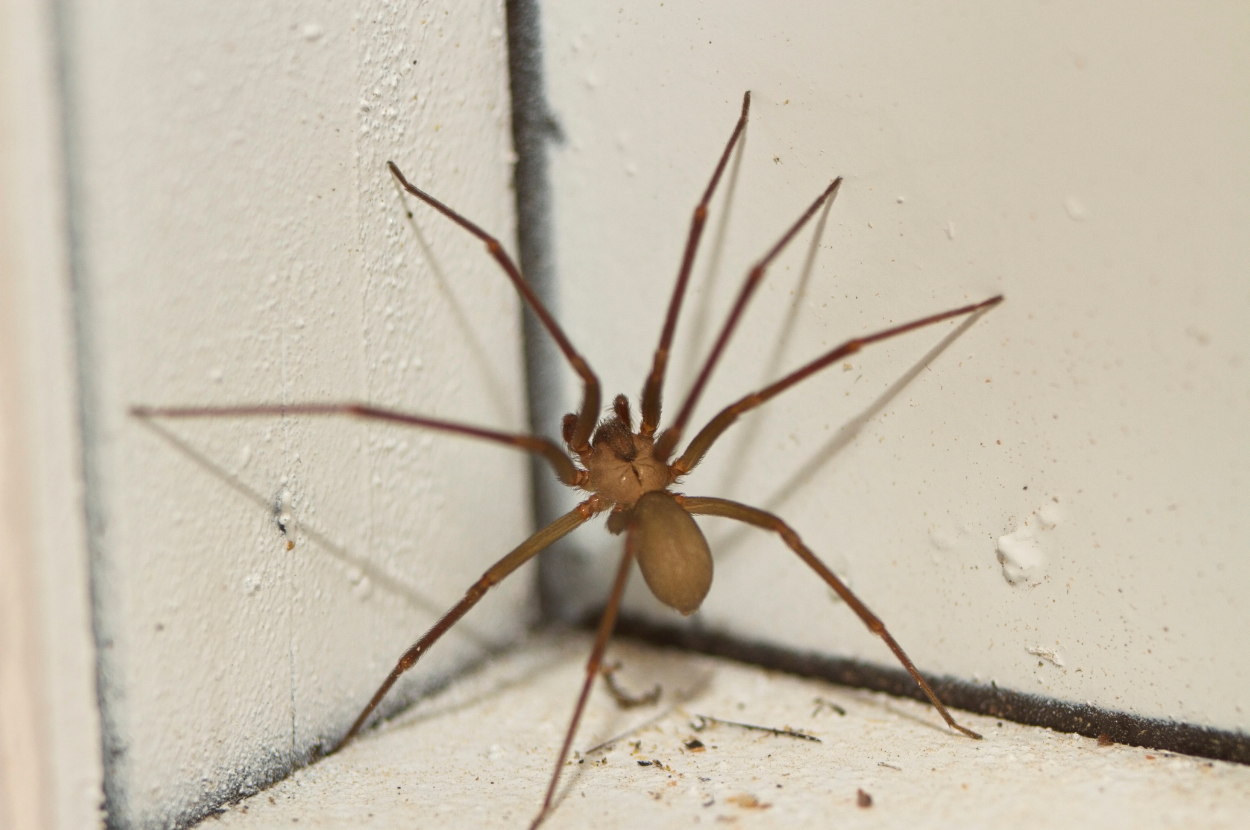
- General pest control for ants, roaches, and spiders around turf and irrigated landscaping
- Scorpion treatment for properties bordering undeveloped desert lots on the edge of newer subdivisions
- Rodent control for pack rats and mice moving in from adjacent agricultural land
- Mosquito reduction service for properties near community lakes and water features
- Recurring seasonal service scheduled around monsoon and swarm activity
Commercial pest control in Sahuarita covers everything from the retail and restaurant space that’s followed the residential growth along the I-19 frontage to the offices and municipal buildings serving a town that’s added tens of thousands of residents in a short stretch of years. New commercial construction faces the same displaced-colony issue as new homes, and busy restaurants near shopping centers deal with the roach and rodent pressure that comes with a growing customer base. We work with property managers and business owners on documented, recurring service that fits health code requirements and doesn’t interrupt business hours, and we treat termites the same way in a commercial slab as we would in a home — understanding how different termite species behave in this soil and climate is what actually prevents the kind of structural damage that’s expensive to fix later. Property managers overseeing multiple units within the same master-planned community also benefit from a coordinated schedule, since treating one home in a row while leaving neighboring units untouched rarely solves a shared pest problem for long. The same logic applies to homeowners associations overseeing shared greenbelts, retention basins, and community lakes throughout Rancho Sahuarita and Quail Creek, where an untreated common area can undo individual pest control efforts on the surrounding lots within weeks.
Sahuarita Pest Activity by Season
- Spring: Termite swarmers emerge in large numbers, especially around newer subdivisions built on recently disturbed soil
- Summer/Monsoon: Scorpions, ants, and mosquitoes peak, with standing water around community lakes and turf drawing mosquito activity
- Fall: Rodents move from surrounding agricultural and desert land toward structures as temperatures cool
- Winter: Activity slows town-wide, making it the most practical season for termite inspections ahead of spring swarm season
Sahuarita’s growth isn’t slowing down, and neither is the pest pressure that comes with building thousands of new homes into what used to be open desert and farmland along the I-19 corridor. We service the town’s master-planned communities as well as nearby Vail, so whether you’re in a brand-new build in Rancho Sahuarita or an established home closer to town, we know the soil and the pest pressure that comes with it. Reach out for an assessment and we’ll build a plan around your property, not a generic new-construction checklist.