
Scorpions showing up in bathrooms, kitchens, and laundry rooms is a common issue for homeowners across Phoenix, Tucson, and the surrounding areas. These rooms offer moisture, shelter, and easy access through plumbing and construction gaps, which makes them prime spots for scorpion activity. If you’re finding scorpions in the same locations over and over, there’s a reason for it. Understanding why this happens is the key to stopping it and keeping your home protected.
This guide breaks down the specific behaviors, conditions, and home features that pull scorpions into these areas and what you can do to stop them. The information applies to single-family homes, condos, townhomes, and newer and older builds throughout Arizona.
Why Bathrooms Attract Scorpions
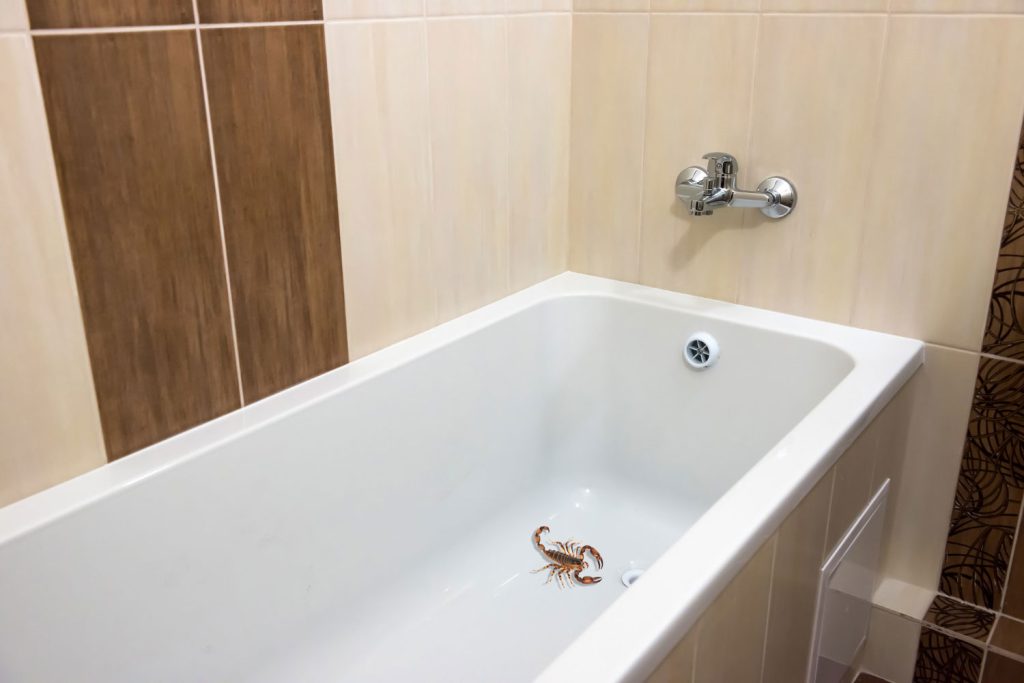
Moisture and Humidity
Bathrooms provide the moisture scorpions struggle to find outdoors. Arizona’s dry climate pulls moisture out of scorpions quickly. Bathrooms create the exact opposite environment. Water from showers, sinks, and toilets keeps the area cool and humid compared to the rest of the house. Scorpions follow humidity, and once they find it, they stay close.
Plumbing Gaps
Most bathrooms have large openings behind toilets and under sinks where plumbing enters the wall. Builders rarely seal these gaps. Scorpions travel along plumbing lines from exterior walls or the attic and come through those cutouts.
Low Light and Shelter
Scorpions seek shaded and protected areas. Bathrooms tend to have cabinets, mats, dark corners, and items stored on the floor. All of these create hiding spots. They will often remain motionless in these areas during the day and move at night.
Cool Surfaces
Tile floors and porcelain fixtures stay cooler than carpet or wood flooring. Scorpions gravitate to these surfaces during heat waves or warm nights.
Why Scorpions Show Up in Kitchens
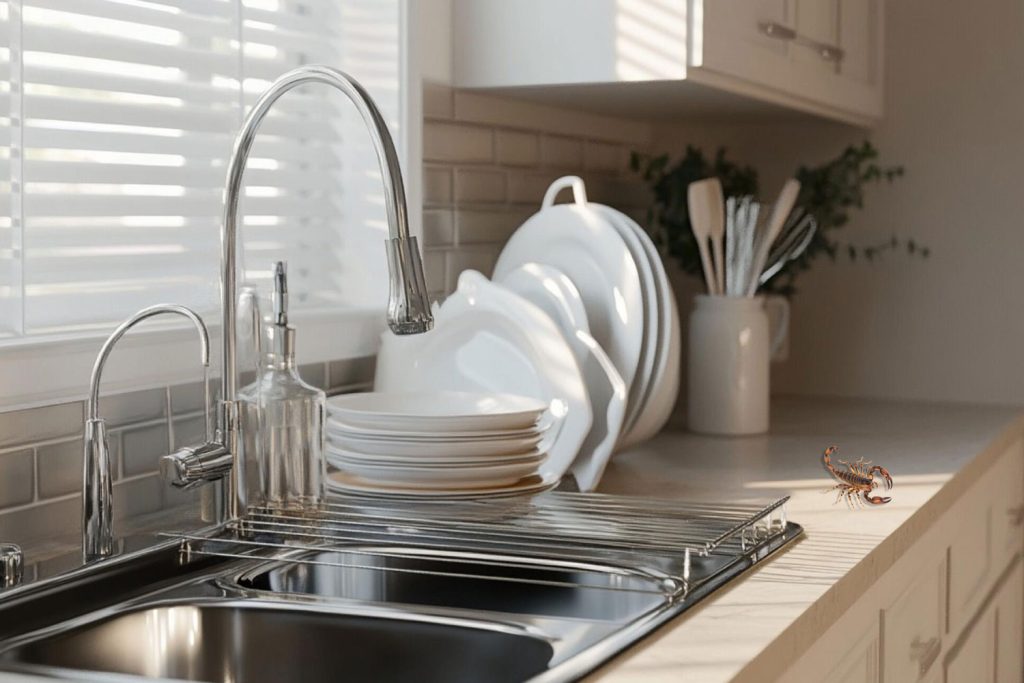
Food Sources
Scorpions do not eat crumbs or household food, but they hunt insects that do. Kitchens attract crickets, roaches, and beetles, which scorpions track directly. If scorpions are in your kitchen, it often means other pests are active as well.
Hidden Entry Points
Kitchens have the most hidden construction gaps in the house. Common access points include:
- Gaps behind dishwashers and ovens
- Openings under sinks
- Spaces where plumbing enters the wall
- Voids between cabinets and flooring
These areas are rarely sealed and create a direct pathway for scorpions moving along wall voids.
Nighttime Movement
Kitchens are mostly quiet and dark overnight. Scorpions take advantage of this and move along baseboards, under appliances, and across cool tile floors. Homeowners often spot them early in the morning as they return to hiding spots before sunrise.
Why Laundry Rooms Are Common Scorpion Zones
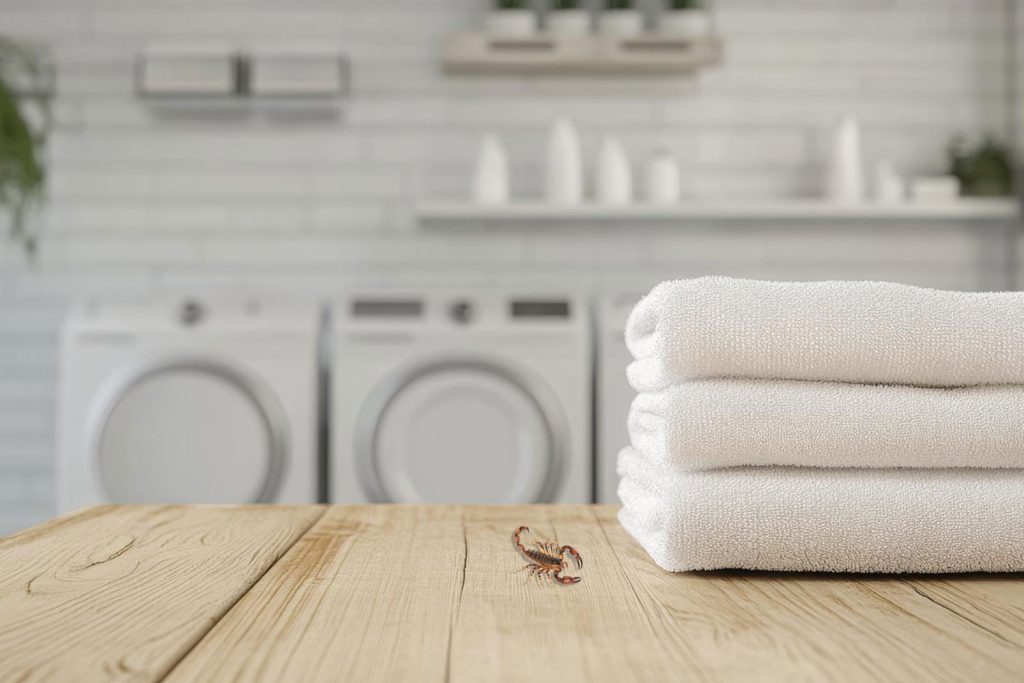
Attached to Exterior Walls or Garages
Laundry rooms are often built on exterior walls or next to garages. Both are high-activity areas for scorpions, which increases the chance of them entering through:
- Gaps around dryer vents
- Openings where plumbing enters
- Unsealed wall penetrations
- Cracks in the garage door weather stripping
Once inside the laundry room, scorpions continue toward moisture and cool surfaces.
Dark and Low-Traffic Areas
Laundry rooms are usually quiet, cluttered, and dim. Scorpions prefer low-disturbance areas where they can hide in piles of clothes, behind appliances, or underneath shelving.
Temperature Stability
Laundry rooms often stay cooler than the rest of the home because of tile floors and airflow. Scorpions follow temperature changes, so they naturally settle into these areas during heat waves.
How Scorpions Get Into Your Home
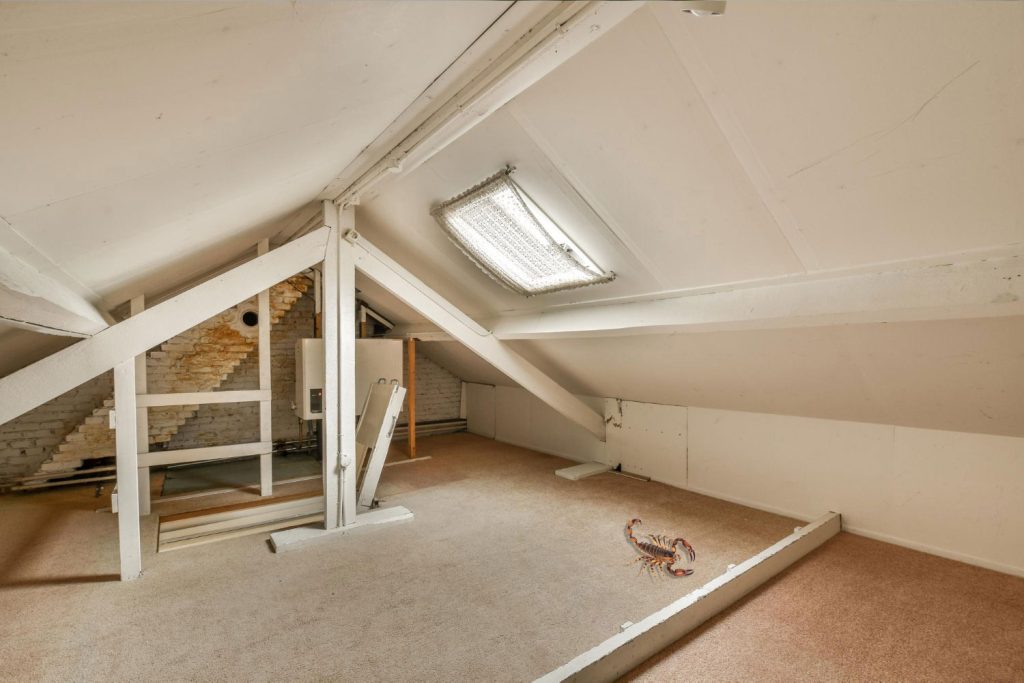
Exterior Cracks and Gaps
Scorpions enter through small openings that homeowners rarely see, including:
- Foundation cracks
- Weep holes
- Openings around pipes and utility lines
- Spaces under exterior doors
- Unsealed gaps around windows and screens
Once inside the walls, they move easily from room to room.
Attic Access
Scorpions crawl through attic spaces and drop down into rooms through wall voids. Any room with a plumbing chase, exhaust fan, or recessed lighting increases the chances of indoor movement.
Following Plumbing Lines
One of the most common entry routes is plumbing. Scorpions travel along water lines, drain lines, and pipe chases. Any room with plumbing is naturally more vulnerable.
Garage and Pet Doors
A garage with worn weather stripping creates a large opening for scorpions. Pet doors without tight magnetic seals allow scorpions to slip inside overnight.
Environmental Factors That Increase Indoor Scorpion Activity
Heat Waves
During extreme heat, scorpions look for cooler areas. Indoor rooms with tile floors or shaded corners are natural targets.
Heavy Rain and Monsoon Season
After storms, scorpions move toward dry areas. If your home offers shelter from rainfall and humidity, scorpions will head inside.
Neighborhood Construction
Digging, grading, and new home developments disrupt scorpion habitats and force them to move. Homes near construction zones often see a sharp increase in sightings.
Why DIY Scorpion Control Doesn’t Solve the Problem
Home Store Sprays Aren’t Designed for Bark Scorpions
Most consumer-grade sprays do not penetrate a scorpion’s exoskeleton. Even if they kill other pests, scorpions often walk across treated surfaces without being affected.
Missing Key Entry Points
Homeowners usually seal baseboards or doors, but forget the hidden areas:
- Plumbing entrances
- Behind appliances
- Roofline gaps
- Cracks in block walls
Scorpions only need a tiny opening to get inside.
Ignoring Food Sources
If crickets and roaches aren’t controlled, scorpions will keep returning. Scorpion control is always tied to eliminating what they hunt.
What Professional Scorpion Control Does Differently
Targeted Treatments
Professional-grade materials adhere to surfaces in ways that affect scorpions. Technicians know which areas need treatment and how often to apply it.
Full Home Sealing Assessment
Professionals examine your home for more than 20 common entry points specific to Arizona construction. This includes attic access, utility penetrations, roofline gaps, and garage seals.
Integrated Pest Management
Reducing insect populations is one of the fastest ways to reduce scorpions. Professionals treat both scorpions and their food sources.
Consistent Treatment Plans
Monthly or bi-monthly service creates a barrier that breaks movement patterns and keeps scorpions away over time.
How Arizona Construction Types Influence Scorpion Problems
Block and Stucco Homes
Cracks in block walls and gaps where stucco meets the foundation allow scorpions easy access.
Tile Roof Homes
Tile lift, exposed underlayment, and open roof edges create pathways into the attic.
Slab vs Crawl Space
Homes with crawl spaces have more entry points, while slab homes often have more plumbing penetrations.
Common Layout Patterns
Homes with bathrooms, kitchens, and laundry rooms grouped along a central plumbing wall see more concentrated activity because scorpions follow those lines.
Practical Steps Homeowners Can Take Today
You can reduce scorpion activity significantly with a few steps:
- Seal plumbing gaps with foam or escutcheon plates
- Replace worn weather stripping on doors
- Install a scorpion-safe pet door
- Reduce clutter in laundry rooms
- Use yellow exterior bulbs to limit insect activity
- Repair cracked stucco or foundation areas
- Fix broken screens
- Control crickets and roaches
- Install door sweeps on exterior and garage doors
- Use glue traps in bathrooms and laundry rooms as monitoring tools
These steps help, but they don’t replace professional treatment if scorpions are established inside or around your home.
When to Call a Professional
You should schedule a scorpion inspection if you notice any of the following:
- Multiple indoor sightings
- Baby scorpions (this means breeding is nearby)
- Scorpions appearing in multiple rooms
- A sting incident involving a child or pet
- Increasing activity during monsoon or heat waves
The longer scorpions remain active inside a home, the harder the issue becomes to resolve.
Why Homeowners Trust 520 Termite for Scorpion Control
520 Termite has extensive experience treating scorpions across Phoenix and Tucson. They understand how scorpions behave in desert communities, suburban neighborhoods, foothill regions, and newly developed areas. Their team knows the weak points in Arizona construction and uses treatments designed specifically for bark scorpion behavior.
Homeowners choose 520 Termite because:
- Treatments are safe for families and pets
- They control both scorpions, and the insects scorpions hunt
- Technicians understand complex entry points in Arizona homes
- Monthly and bi-monthly plans create long-term protection
- Their methods work across all property types
If you want scorpions gone and want to prevent them from returning, these programs are built for exactly that.
Take Control of Your Home Before Scorpions Take Over
Scorpions show up in bathrooms, kitchens, and laundry rooms because these areas offer moisture, shelter, and access through plumbing and construction gaps. Understanding how and why scorpions enter these rooms is the first step toward stopping them. Arizona homes have specific design features that make these areas vulnerable, but with the right combination of sealing, insect control, and professional treatments, you can significantly reduce or eliminate scorpion activity.
If you’re seeing scorpions inside your home, schedule a scorpion inspection with 520 Termite. They’ll identify the exact entry points, eliminate food sources, and build a treatment plan that keeps your home protected.
Frequently Asked Questions
Why do scorpions keep showing up in my bathroom?
Bathrooms provide moisture, cool tile surfaces, and unsealed plumbing gaps behind toilets and under sinks, three things scorpions actively seek out. Once they find a humid, sheltered spot, they tend to stay close.
Why are scorpions attracted to kitchens?
Scorpions don’t eat food, but they hunt the insects that do, like crickets, roaches, and beetles that gather in kitchens. Hidden gaps behind dishwashers, ovens, and under sinks give them a direct path inside.
Why do laundry rooms attract so many scorpions?
Laundry rooms are often built against exterior walls or garages, stay cooler than other rooms, and have gaps around dryer vents and plumbing, all of which make them a common entry and hiding spot for scorpions.
Why don’t store-bought sprays get rid of scorpions?
Most consumer-grade sprays don’t penetrate a scorpion’s exoskeleton, and homeowners often miss key entry points like plumbing penetrations, roofline gaps, and cracks in block walls, so scorpions keep coming back.
When should I call a professional for scorpion control?
Schedule an inspection if you notice multiple indoor sightings, baby scorpions, scorpions in more than one room, a sting involving a child or pet, or increased activity during monsoon season or heat waves.