Termite and Pest Control in Cave Creek
Cave Creek sits at an elevation ranging from roughly 2,000 to over 3,000 feet, higher and rockier than most of the Phoenix metro, with terrain shaped by Black Mountain to the west and the rugged upper Sonoran Desert of Spur Cross Ranch Conservation Area just five miles to the north. That terrain includes real, flowing washes — Cave Creek itself and Seven Springs Wash both carry water and support riparian vegetation for parts of the year — which is a level of moisture and cover most low-desert Phoenix suburbs simply don’t have. The Go John Trail alone climbs 5.8 miles through desert washes and rocky hillsides on the edge of Tonto National Forest, and that same rugged wash network runs directly behind a lot of Cave Creek properties. Cave Creek Regional Park, just south of town, spans elevations from 2,000 to over 3,000 feet within its own boundaries, which gives a sense of how much vertical terrain and how many microclimates exist within a fairly small radius here. More washes and higher elevation mean more wildlife corridors, and more wildlife corridors mean more pest pressure at the point where a yard meets the desert.
Pest Data: What Shows Up and Why
- Bark scorpions — nocturnal and drawn to moisture, they concentrate near washes and irrigated landscaping, then move indoors seeking shade during peak summer heat
- Pack rats and roof rats — build stick nests in wall voids and vehicle engine compartments, using wash corridors like Seven Springs Wash to travel between the desert and developed lots
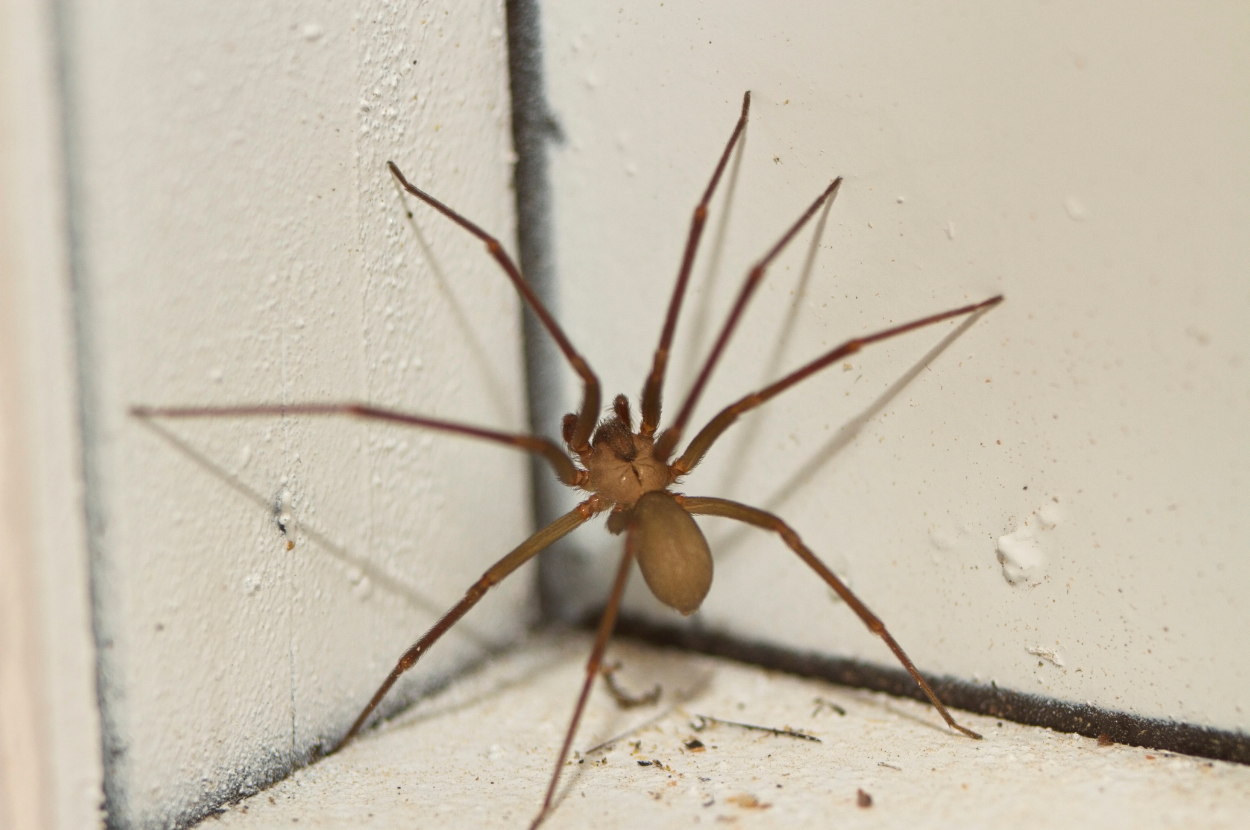
- Black widow spiders — prefer dark, undisturbed spaces like woodpiles and block wall voids common on larger Cave Creek lots
- Subterranean termites — active where irrigation keeps soil moisture consistent, a common condition on properties with desert-adapted but still-watered landscaping
- Rattlesnakes and other wildlife — not something we treat directly, but their presence along the same wash corridors is a useful indicator of how much cover a property offers smaller pests
Residential Protection Plan
- Perimeter treatment calibrated to the larger, wash-adjacent lot sizes typical of Cave Creek
- Scorpion exclusion at doors, windows, and foundation gaps
- Rodent monitoring and exclusion near wall voids, sheds, and vehicles
- Termite inspection focused on irrigated landscape zones close to the foundation

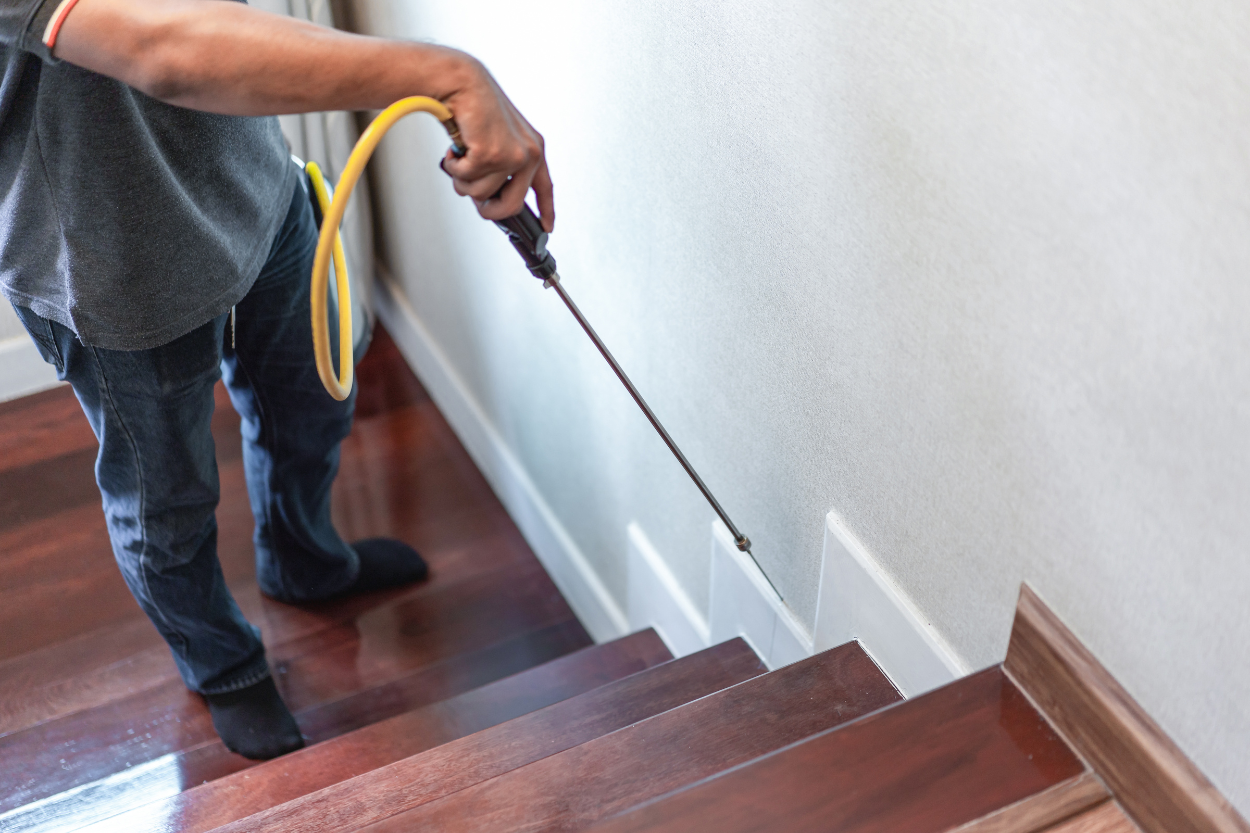
Cave Creek’s commercial core — the shops, restaurants, and galleries along Cave Creek Road — sits close enough to the surrounding desert that the same pressures affecting homes apply to businesses too, just with different stakes. A restaurant kitchen or retail stockroom near a wash corridor deals with rodent and scorpion activity on the same seasonal timeline as a house two miles away, which is why commercial plans here are built around the same terrain data rather than a generic monthly spray. Older buildings along the main road, with their exposed beams and rustic Western-style construction, also tend to have more gaps and seams than newer commercial builds, which means exclusion work matters as much as active treatment. Outdoor patio dining, common along Cave Creek Road, adds another variable, since evening scorpion activity picks up right around the hours a restaurant is busiest. Cave Creek’s reputation as a Western-themed tourist destination means these businesses see heavy weekend foot traffic much of the year, and a scorpion sighting on a patio table is the kind of thing that gets noticed and remembered, which is exactly why proactive treatment matters more here than it might for a strip mall further south in the Valley. We schedule exterior treatments around business hours and event weekends whenever possible, since a lot of these properties are historic Western-style buildings that draw crowds precisely because of their character, and disruptive service in the middle of a busy Saturday isn’t good for anyone.
Seasonal Data
- Spring: scorpion activity increases as overnight lows climb above roughly 70°F
- Summer: monsoon storms raise wash flow and humidity, driving the year’s highest scorpion and rodent activity
- Fall: spider and ant activity rises as cooling temperatures push pests toward shelter indoors
- Winter: overall activity drops, though scorpions remain active on afternoons above roughly 60°F
The elevation, the washes, and the proximity to Spur Cross Ranch Conservation Area all point to the same conclusion: Cave Creek’s terrain generates more year-round pest pressure than flatter parts of the Valley, including neighboring Carefree, even though the two towns share a border. Properties tucked closer to Spur Cross or backing directly onto a wash need a noticeably more aggressive exclusion plan than a lot in a newer, more central subdivision, and pretending those two situations are the same is how gaps get missed. Larger lots also mean more square footage of block wall, more outbuildings, and more landscaping to inspect, so a thorough visit here typically takes longer than the same service call in a denser Phoenix suburb. A protection plan built around that data, not a one-size-fits-all schedule, is what actually holds up on ground like this — reach out and we’ll put one together for your property.