Termite and Pest Control in New River
New River is an unincorporated community in Maricopa County, roughly 36 miles north of downtown Phoenix along the Interstate 17 corridor, at the point where the North Valley stops looking like suburbia and starts looking like high desert. Founded in the 1860s as a stagecoach stop, the community has stayed rural and unincorporated ever since, with large-acreage parcels standing in for the platted subdivisions found closer to Phoenix. The community takes its name from the New River wash, a seasonal tributary of the Agua Fria River system, and the surrounding terrain is classic Basin and Range: rolling desert, low mountain ranges, and mesas cut through by washes that run hard during monsoon season and stay dry the rest of the year. Lots here tend to run large, construction is spread out, and the elevation gives New River a slightly cooler, more open character than the denser parts of the Valley to the south — all of which shapes what pest control actually looks like on a property out here. For years the old Black Canyon Highway simply ended in New River and turned to dirt road heading toward Prescott, and while I-17 now runs straight through, the surrounding land never got the master-planned buildout that transformed so much of the North Valley. What that means for pest control is straightforward: fewer neighbors, more exposed acreage per household, and a property line that often runs directly into open desert rather than another backyard.
Pests Most Common to New River Properties
- Scorpions — rocky, undeveloped terrain right up against most properties means higher baseline scorpion activity than in denser suburbs.
- Rodents — large lots and outbuildings (barns, sheds, detached garages) give rodents more structures to colonize than a standard subdivision offers.
- Wildlife-adjacent pests — properties bordering open desert see more ticks and other hitchhiking pests that travel in with passing wildlife.
- Termites — less about density and more about wood-to-soil contact on barns, decks, or older manufactured housing.
- Spiders — black widows in particular favor woodpiles, rock stacks, and the outbuildings common on rural lots.
Because New River properties sit right against undeveloped desert, most of what we see here traces back to that shared boundary rather than anything a homeowner did wrong.
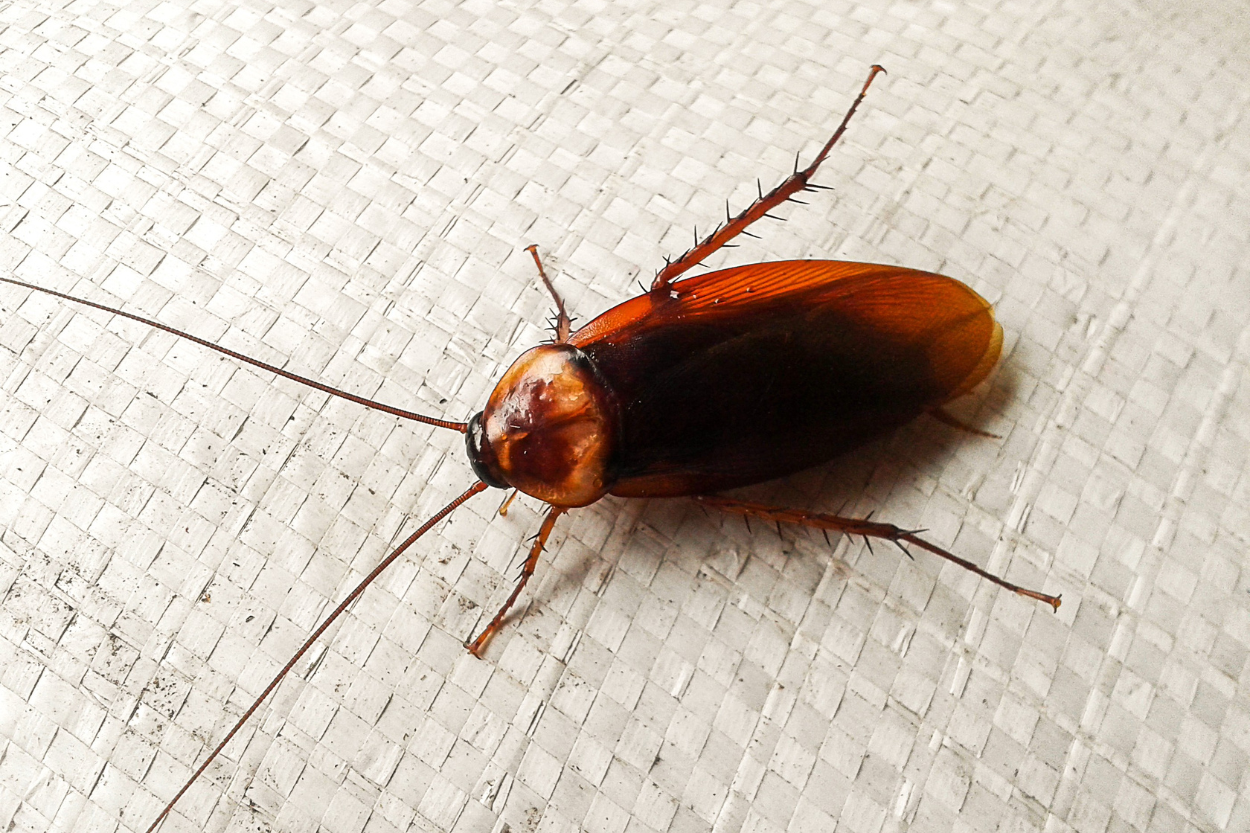
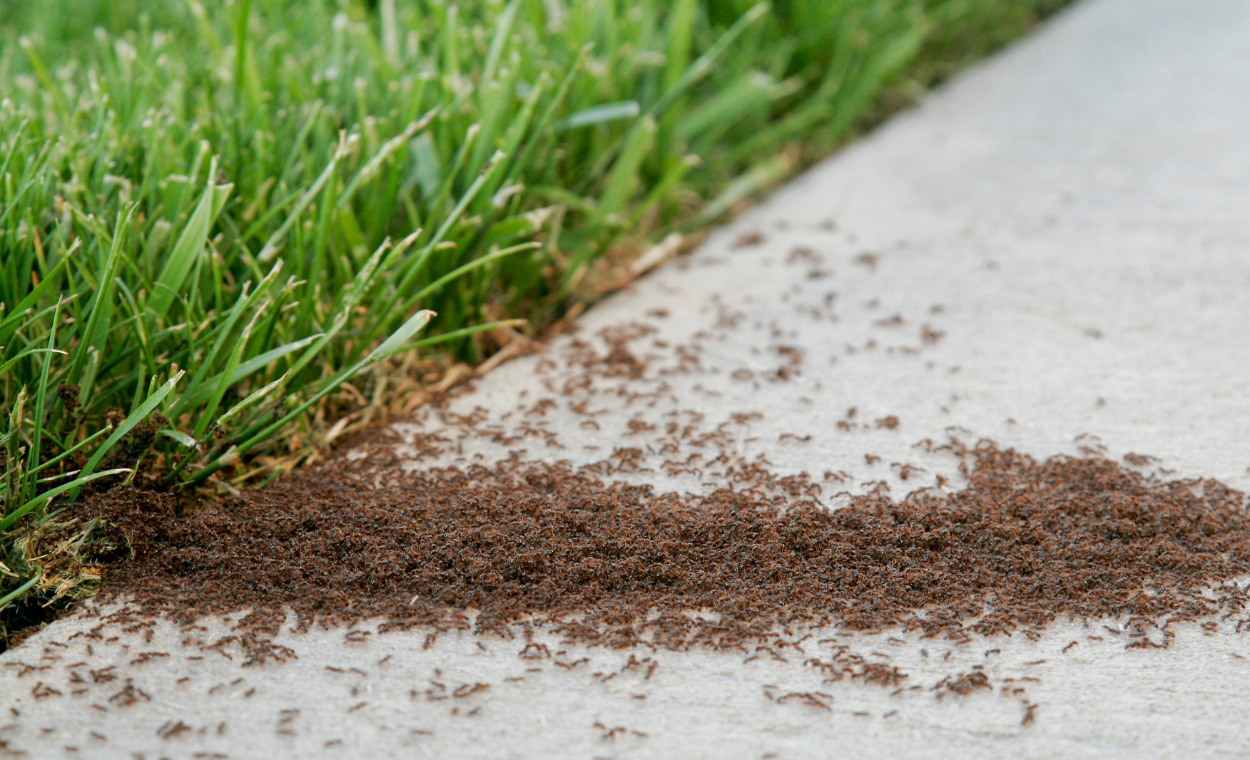

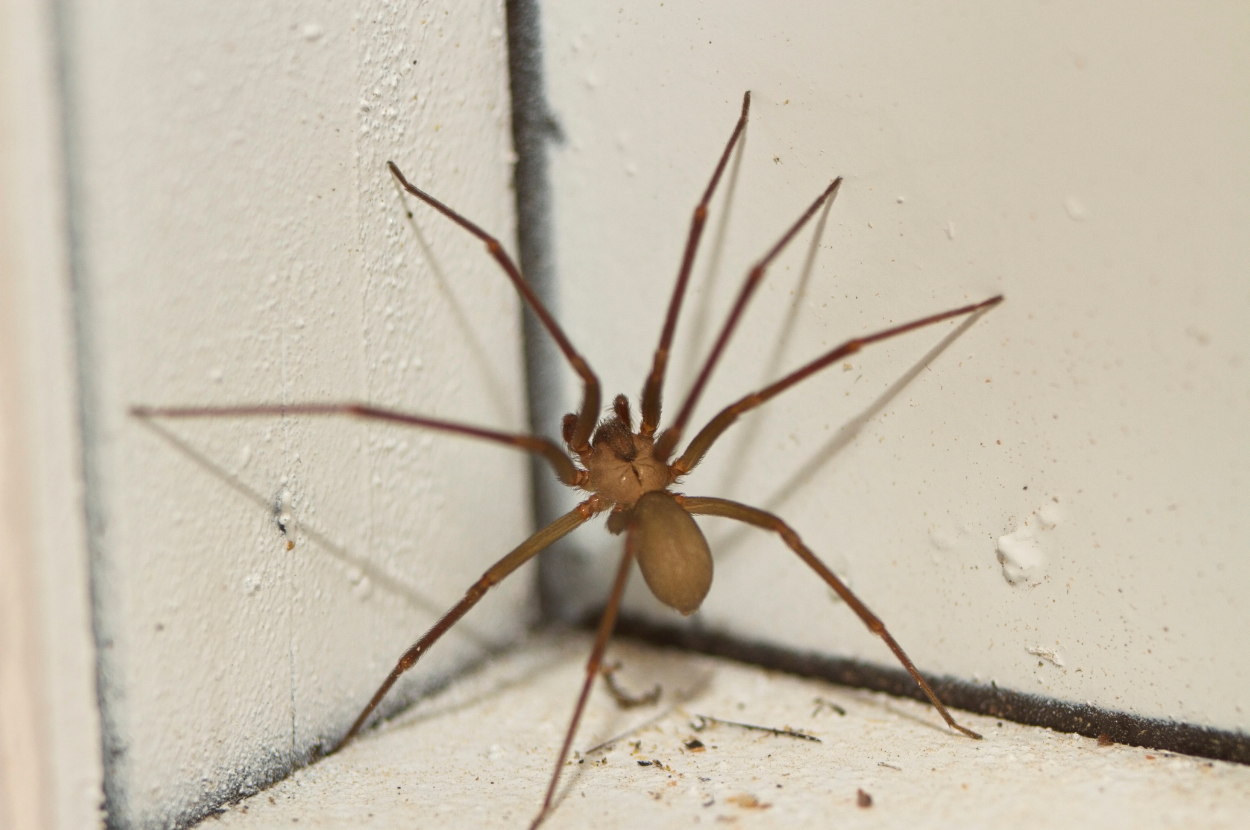
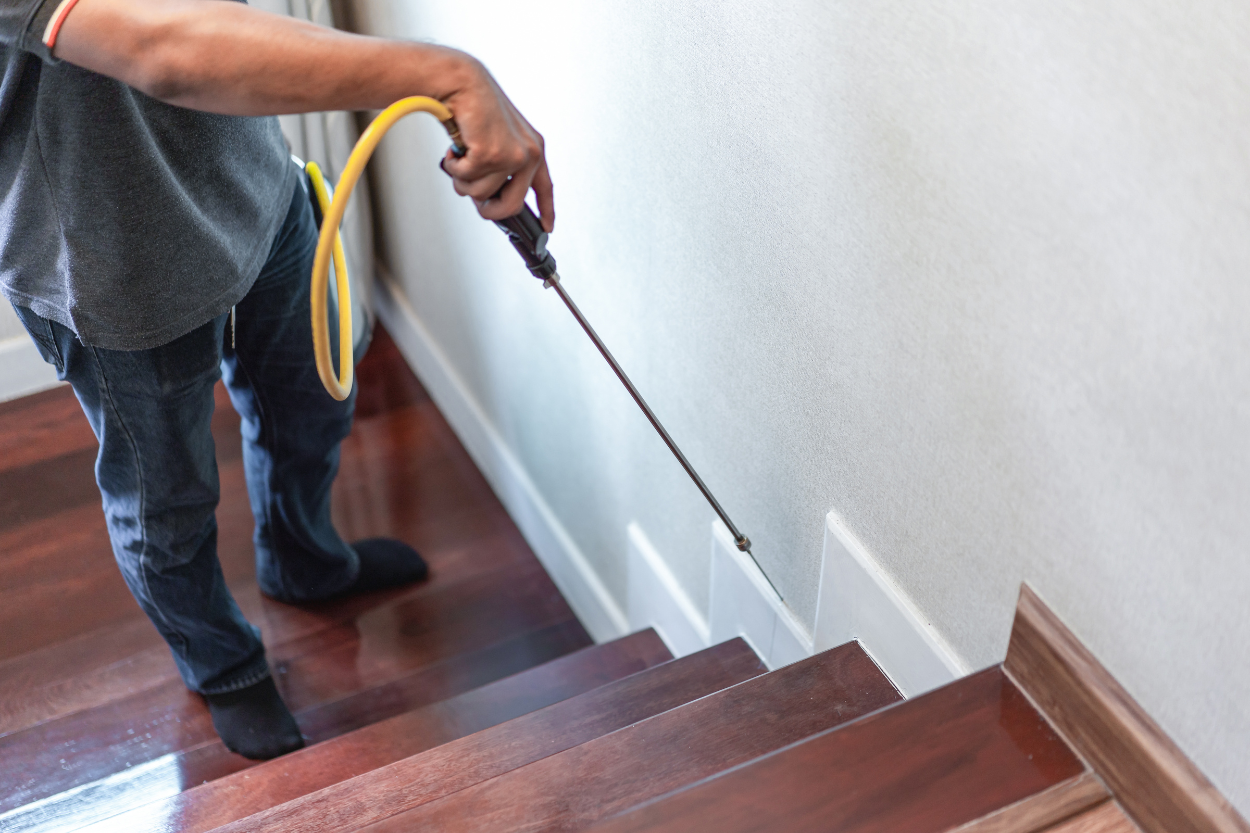
Because standard suburban pest programs assume a single structure on a small lot, we build New River service plans differently from the start, starting with a walk of the whole parcel rather than just the house:
Residential Protection Plan
- Full perimeter inspection accounting for outbuildings, not just the main structure
- Scorpion treatment along rock features, woodpiles, and foundation lines
- Rodent exclusion for barns, sheds, and detached structures
- Termite inspection focused on wood-to-soil contact points
- Spider treatment for garages, storage buildings, and stacked materials common on rural lots
- Flexible scheduling for large-acreage properties that don’t fit a standard suburban route
Commercial and Rural-Business Service
Commercial activity in New River is limited compared to incorporated cities nearby, but it includes ranch operations, small rural businesses, equestrian facilities, and properties that combine residential and light commercial use on the same parcel. Those accounts need the same outbuilding-aware approach as a residential property, just scaled up — barns, equipment storage, and feed areas all create rodent and stored-product pest risk that a standard single-building commercial contract doesn’t account for. Feed storage in particular draws rodents faster than almost anything else we treat for in this area, and once they’re established in a barn or hay shed, they move toward the house next. The same goes for equestrian facilities and boarding operations, where multiple structures and constant feed deliveries make ongoing rodent pressure almost unavoidable without a scheduled program. Distance is also a real factor for rural accounts — a property that’s a long drive from the nearest incorporated city needs a pest control provider that actually schedules for that distance instead of treating it as an afterthought on the route. We scope these properties individually, mapping outbuildings and storage areas before recommending a treatment plan, rather than applying a one-size plan built for a strip mall in a denser part of the Valley.
Seasonal Data
- Spring: Scorpion activity rises sharply as overnight lows climb into the 50s and 60s.
- Summer: Monsoon storms push wash-dwelling pests toward higher, drier ground, often meaning your yard.
- Fall: Rodents begin seeking shelter in outbuildings as desert temperatures start to drop.
- Winter: Lower pest activity overall, making it the best window for termite inspections and exclusion work.
New River’s rural character means pest control here has to account for acreage, outbuildings, and a direct desert boundary that most Phoenix-area suburbs don’t share — including neighboring Desert Hills, which sees a similar mix of rural terrain and wildlife-adjacent pest pressure. If you’re on a large lot out here, request a free estimate and we’ll build a plan around your actual property, not a subdivision template.