
Termite and Pest Control in Tanque Verde
Tanque Verde: Foothill Terrain, Different Pest Pressure
Tanque Verde sits in the northeast reaches of the Tucson area, in the foothills below the Rincon Mountains and bordering the Coronado National Forest. Elevation here runs higher than much of central Tucson, and the ground is cut by washes — Tanque Verde Creek and the Agua Caliente Wash both run through the area and are known to rise several feet within hours during monsoon storms. That combination of rocky foothill terrain, seasonal washes, and undeveloped desert bordering established neighborhoods like Redington Ranch creates pest pressure that looks different from what you’d find in a flatter, more urban part of Tucson. Historic guest ranches in the area, including the 640-acre Tanque Verde Ranch established in 1868, sit right up against Saguaro National Park and the national forest boundary, which says a lot about how much undisturbed desert habitat borders residential lots out here.
That proximity to open desert and wash corridors is the single biggest factor driving what we see on service calls in this part of town. Here’s the rundown of what shows up most, and how each one behaves.
Pest Activity by Species
- Arizona bark scorpions — foothill rock and rubble is prime scorpion habitat; they migrate toward homes seeking shade and moisture, especially near block walls and landscaping stone.
- Desert subterranean termites — active year-round underground, these colonies travel through soil and mud tubes and can go undetected in a home’s structure for a long time before visible damage appears.
- Pack rats — wash corridors and undeveloped lots adjacent to Tanque Verde neighborhoods are classic pack rat territory; they build middens against foundations, sheds, and parked vehicles.
- Roof rats — drawn to mature landscaping and tree canopy along the creek corridor, they move into attics and eaves as temperatures drop.
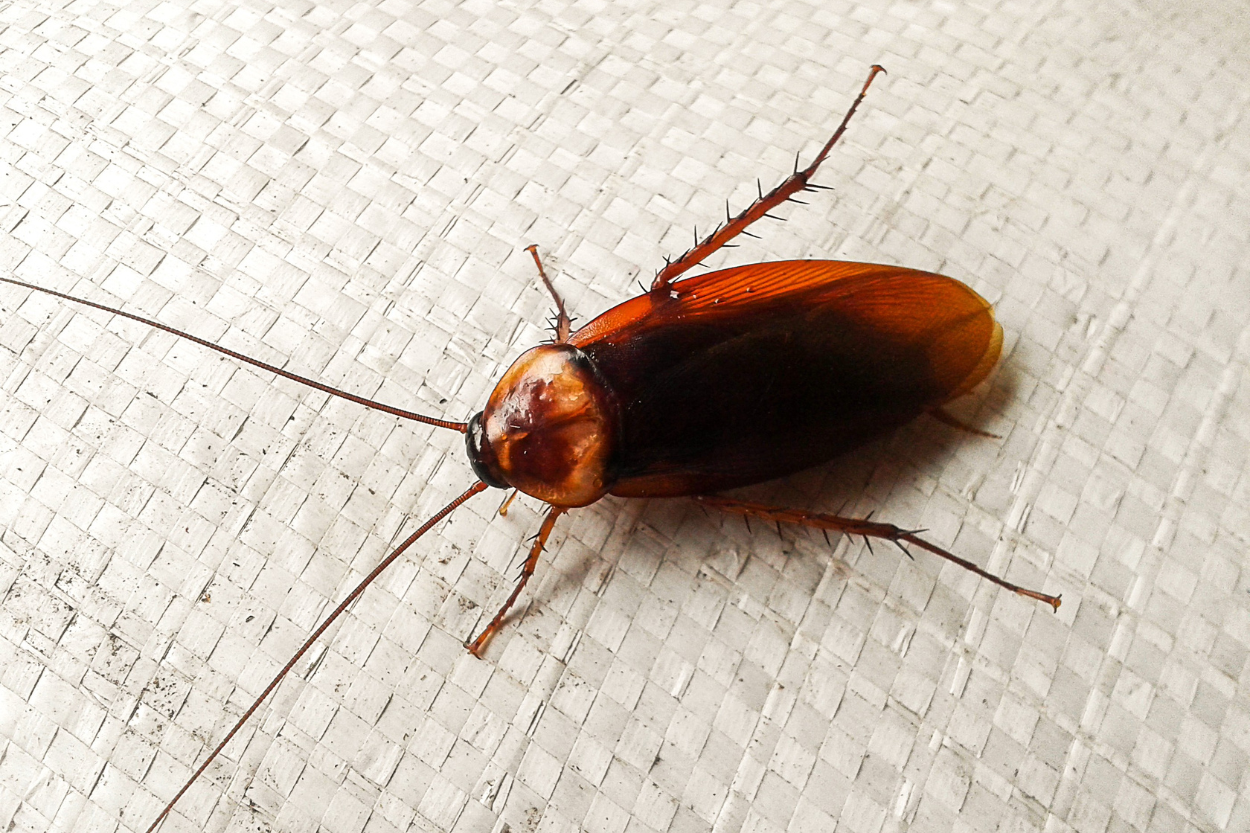
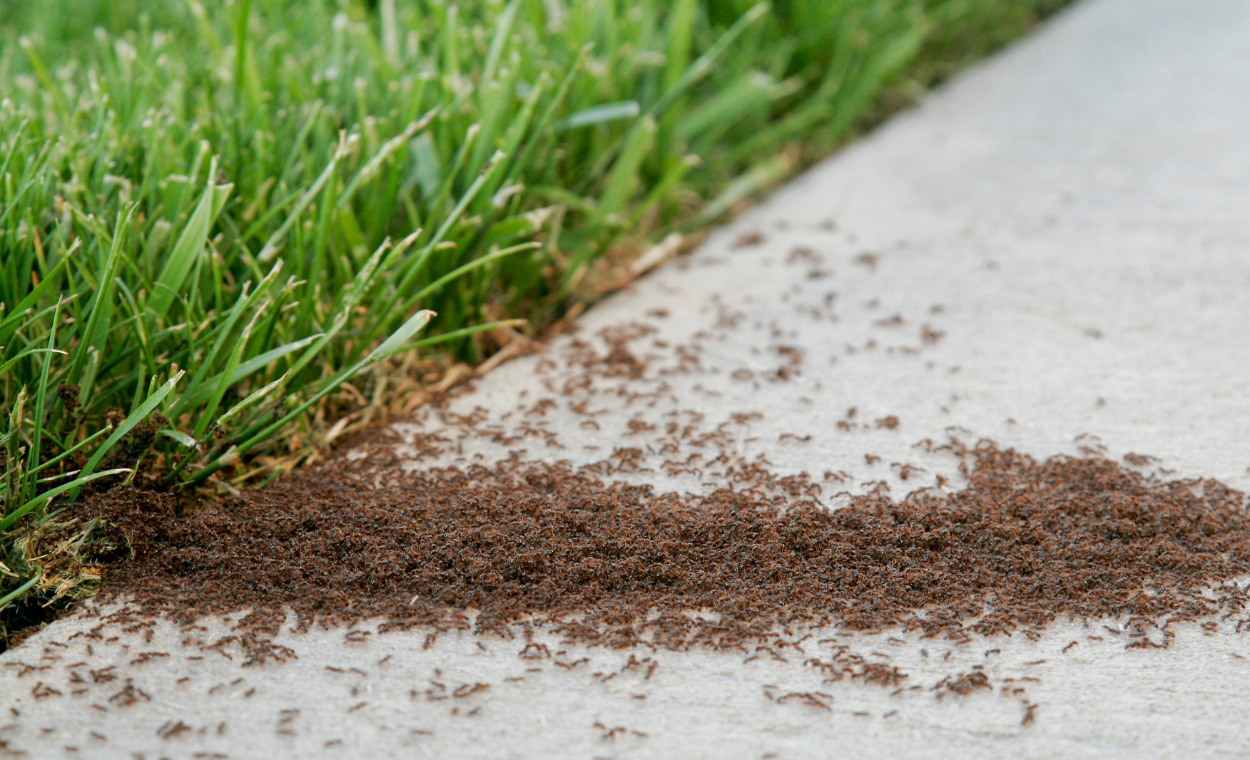
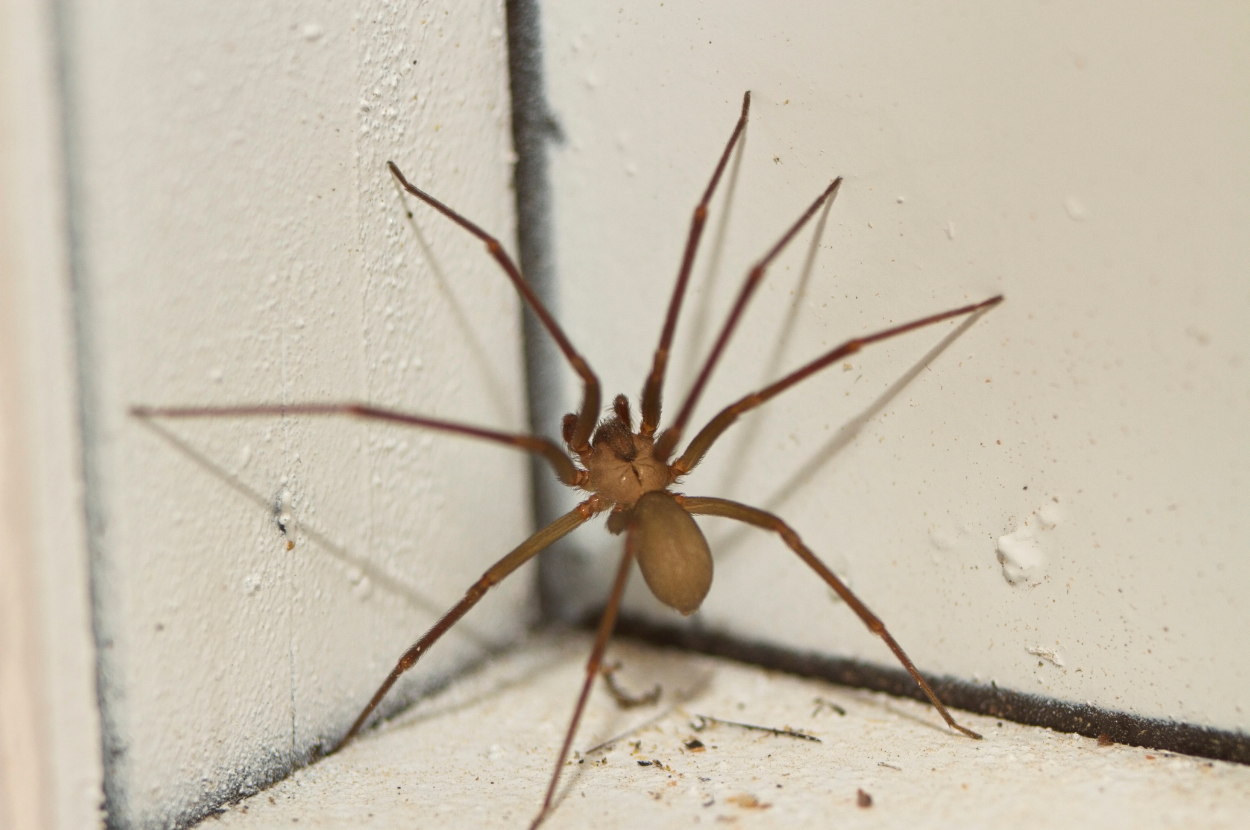
- Spiders — foothill terrain supports a wider variety of spider species than flatter urban lots nearby.
If you’re unsure whether a spider you’ve spotted around a woodpile or the eaves is one to worry about, our guide on identifying poisonous spiders in Arizona covers the species most likely to turn up in foothill terrain like this.


Residential Protection Plan
- Exterior perimeter treatment focused on block walls, foundation lines, and landscaping stone where scorpions concentrate
- Wash-adjacent property inspection for pack rat middens and rodent entry points
- Termite monitoring for homes near mature landscaping or older wood-adjacent construction
- Interior treatment for spiders, ants, and general pest activity as needed
- Follow-up service timed to monsoon and cooling-weather activity spikes rather than a flat calendar
- Attention to construction type — older adobe and block homes near the creek corridor get a different inspection focus than newer stucco-and-frame builds farther up the foothills
Commercial Service in Tanque Verde
The guest ranches, equestrian facilities, and small hospitality businesses that give Tanque Verde its character share one challenge: they operate right at the edge of open desert, which means pest exposure is constant rather than occasional. We work with these properties differently than we would a typical office building — treatment plans account for horse facilities, outdoor dining and event space, guest accommodations, and the reality that visitors expect a working desert-adjacent property to feel clean and pest-free without feeling sterile. Stable areas and feed storage in particular need a different rodent and insect strategy than a dining room or lobby does, so we scope those separately rather than applying one blanket treatment across an entire ranch property. That means scheduled service, discreet application methods around guest areas, and documentation that satisfies health and safety requirements without disrupting the ranch experience that draws people to this part of Tucson in the first place.
Seasonal Data
- Spring (Mar–May): Scorpion activity climbs as overnight temperatures rise; termite swarms become more likely following winter moisture.
- Summer (Jun–Sep): Monsoon storms push wash-dwelling pests — scorpions, pack rats, and various insects — toward higher, drier ground, meaning toward homes.
- Fall (Oct–Nov): Rodents begin seeking shelter as nights cool; attic and eave activity typically increases.
- Winter (Dec–Feb): The quietest stretch of the year, and the best window for termite inspections and structural pest prevention before spring swarms begin.
Foothill terrain means the data doesn’t lie: Tanque Verde properties see more consistent pest pressure than flatter parts of town, simply because there’s more undeveloped desert next door, and because washes like Tanque Verde Creek keep funneling wildlife and insects toward the same rooftops after every significant storm. Homes closer to Redington Road and the national forest boundary tend to see the earliest activity each season, while properties set back from the wash corridors usually lag a few weeks behind. That pattern holds up year after year, which is exactly why a treatment schedule tuned to this terrain outperforms a generic quarterly visit. If you’re nearby in Vail, the same terrain-driven patterns generally apply, since both communities sit right at the edge of the Rincon Mountains foothills. Request a free estimate and we’ll walk your property line to line before recommending anything.