
Holiday decorating can make a home feel festive, but it can also create new hiding places, food sources, and entry points for pests. In Arizona, cooler fall and winter weather does not always mean pest activity disappears.
Scorpions, spiders, roaches, crickets, rodents, and other pests can remain active through Halloween, Thanksgiving, and Christmas. Seasonal decorations can sometimes give them exactly what they want, especially when decorations are stored in garages, placed near exterior walls, or left undisturbed for several weeks.
From pumpkins and hay bales outside to Christmas trees and storage boxes inside, a few simple precautions can help keep holiday decorating from turning into a pest problem.
Why Holiday Decorations Can Attract Pests in Arizona
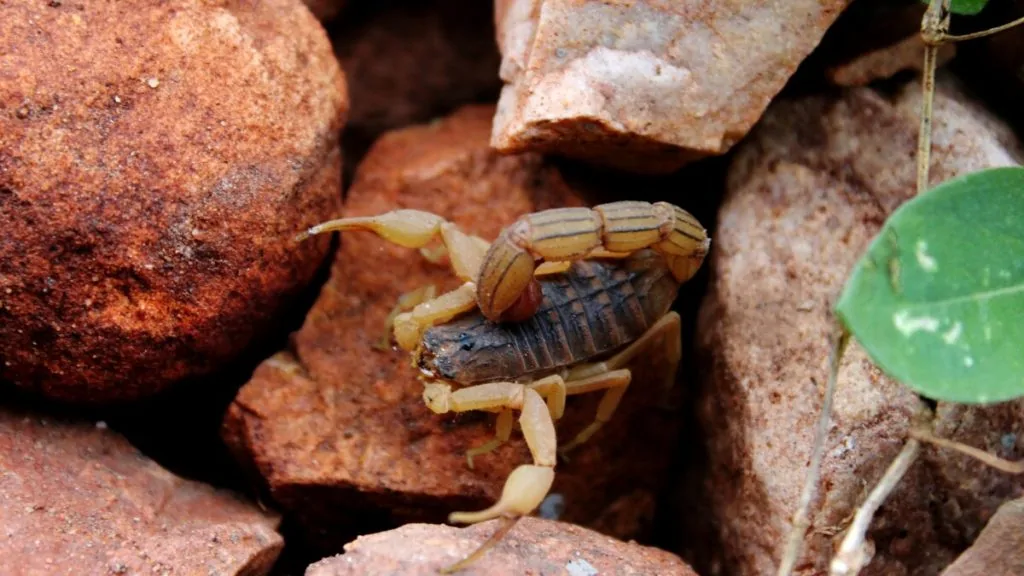
Holiday decorations change the environment around a home. Cardboard boxes, fabric, straw, greenery, wood, food, and outdoor displays can all create places where pests can hide or find something to eat.
Many decorations also stay in the same place for weeks at a time. That gives spiders, scorpions, rodents, and other pests time to settle into dark, shaded, and rarely disturbed areas. Our fall pest control tips for Arizona homeowners cover several of the same seasonal conditions.
Food can create an additional problem during the holidays. Halloween candy, Thanksgiving leftovers, Christmas baking, gift baskets, pet treats, and outdoor entertaining can all increase the amount of food available inside and outside the home.
Halloween Decorations Can Attract Pests Outside
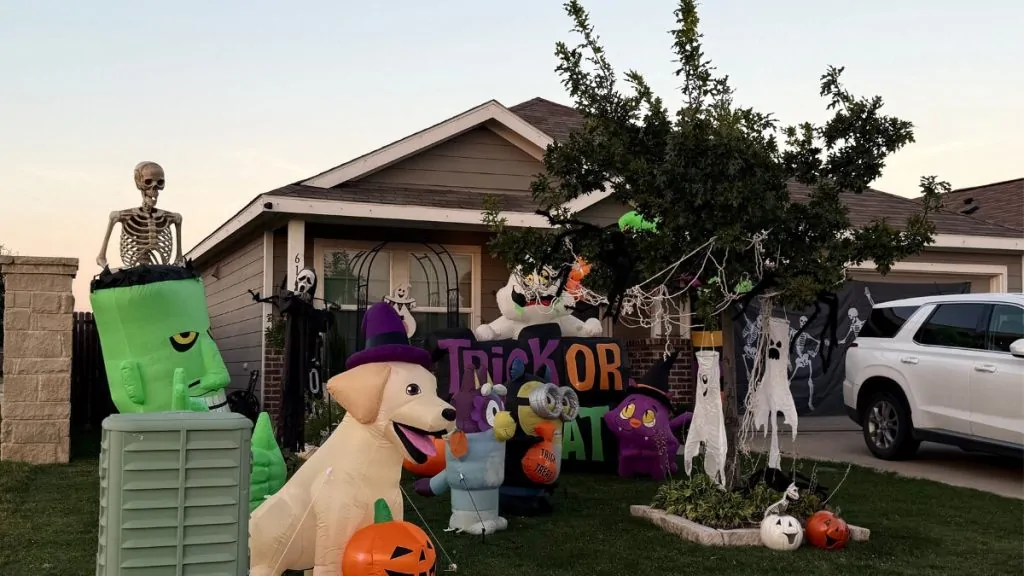
Halloween is often the first time homeowners bring out large seasonal decorations. Pumpkins, straw, inflatables, fake tombstones, and porch displays can all create new hiding places around the yard.
Pumpkins and Gourds
Fresh pumpkins are usually not a major pest concern when they first go outside. The problem starts when they soften, split, or begin decomposing.
As pumpkins break down, they can attract ants, roaches, flies, and rodents. Check carved pumpkins regularly and remove them once they begin deteriorating.
It is also a good idea to keep pumpkins away from frequently used doors, garage entrances, and other areas where pests already have possible entry points into the home.
Hay Bales and Straw
Hay bales and straw are popular fall decorations, but they can provide shelter for rodents, spiders, crickets, and other insects.
Keep hay away from exterior walls and doors when possible. After Halloween or Thanksgiving, remove it instead of moving it into the garage for storage.
Storing old hay indoors can turn a temporary outdoor decoration into a longer-term hiding place for pests.
Inflatable Decorations and Yard Displays
Large inflatables, decorative crates, fake tombstones, and other oversized Halloween props can create dark, shaded areas underneath them. Those spaces may attract scorpions, spiders, crickets, and other pests.
Check under large decorations periodically, especially when they sit next to block walls, landscaping, or patios. Use gloves when moving outdoor decorations that have been sitting in place for several weeks.
Halloween Decorations Can Also Bring Pests Indoors
Stored decorations can create problems before they even make it inside. Boxes sitting in garages, sheds, or attics for most of the year can become hiding places for spiders, roaches, scorpions, or rodents.
Before carrying decorations into living areas, inspect boxes in the garage or outdoors when possible. Look for droppings, chewed cardboard, webbing, egg cases, shed insect skins, or live insects.
Fabric decorations, costumes, paper displays, and fake cobwebs can also provide nesting material for rodents if they have been stored in an undisturbed area.
Thanksgiving Food and Decorating Can Create New Pest Problems
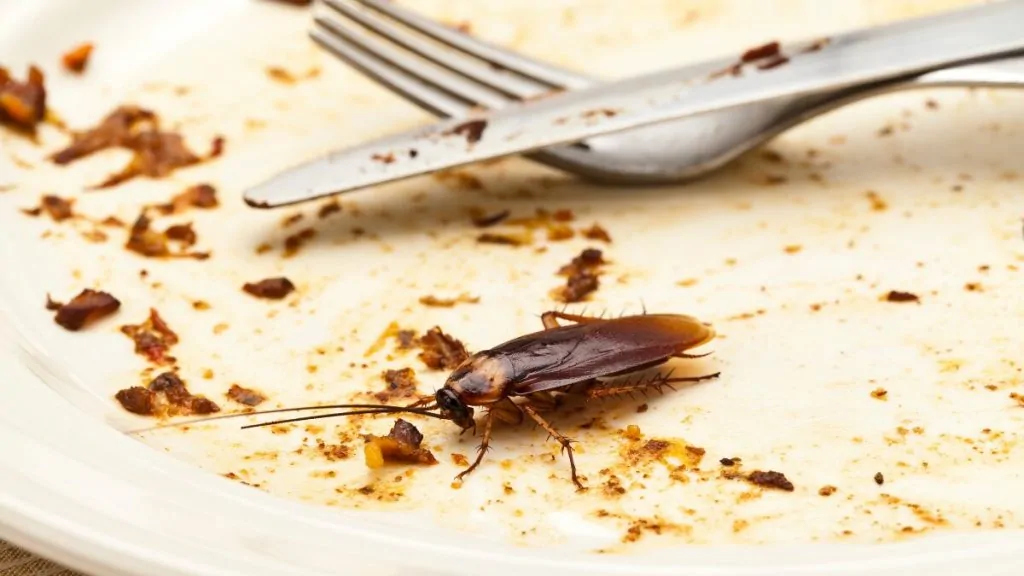
Thanksgiving creates a different kind of pest pressure because food becomes a much bigger factor. Arizona’s mild November weather also makes patio dining and outdoor entertaining common.
Crumbs, sugary drinks, grease, sauces, and leftovers can attract ants, roaches, and rodents. After a gathering, thoroughly clean patio tables, outdoor kitchens, grills, floors, and pavers.
Trash and recycling containers also deserve attention after a large holiday meal. Turkey scraps, grease, desserts, and disposable plates with food residue can attract pests if containers are overfilled or lids do not close completely.
Indoor Kitchens and Dining Areas Need Attention Too
Holiday cooking increases the amount of food stored and prepared inside the home. Flour, sugar, nuts, candy, baked goods, pet treats, and pantry ingredients can all attract pests when spills or open containers are left behind.
Wipe counters, sweep floors, and store food in sealed containers after cooking. Pay special attention to areas under appliances, behind trash cans, and around pantry shelving where crumbs can collect.
Dining rooms can also become a source of pest activity after large meals. Clean underneath tables and chairs rather than focusing only on the visible surfaces.
Thanksgiving Centerpieces and Natural Decor
Fall decorating often uses real materials such as dried corn, gourds, pinecones, nuts, sticks, and other natural items. These materials can occasionally bring insects indoors or attract rodents over time.
Inspect natural decorations before bringing them inside. If a centerpiece begins to deteriorate, shed material, or show signs of insects, remove it instead of leaving it out through the entire holiday season.
Artificial decorations can be easier to maintain when you want the same look without introducing organic material into the home.
Christmas Trees Can Bring Pests Indoors
Real Christmas trees can occasionally bring spiders, insects, or egg masses inside. Before bringing a tree into the house, inspect the trunk and branches and shake it outdoors when possible.
Remove visible webs, insects, or egg sacs before moving the tree inside. Avoid spraying household pesticides directly onto a live Christmas tree indoors.
Once the tree is set up, watch the water around the base. Clean up spills promptly and check underneath the tree skirt if it becomes damp.
Artificial Christmas Trees Can Have Pest Problems Too
Artificial trees avoid some of the issues associated with live trees, but they can still carry pests if they were stored in a garage, attic, or shed.
Spiders may build webs inside folded branches, while rodents can chew tree bags, boxes, or electrical cords. Inspect an artificial tree before bringing it into the main living area.
Look for droppings, nesting material, damaged wiring, or insects hiding inside the branches. Catching the problem in the garage is much easier than discovering it after the tree has been decorated in the living room.
Wreaths, Garland, Pinecones, and Greenery
Fresh wreaths and garland can occasionally harbor insects when they are brought inside. Inspect them before hanging them near doors, windows, fireplaces, or indoor walls.
The same applies to pinecones, branches, bark, and other natural materials collected outdoors for holiday crafts or centerpieces. Small spiders and insects can remain hidden in crevices even when the materials appear clean.
If greenery begins to dry out heavily or deteriorate, remove it rather than leaving it inside indefinitely.
Holiday Lights Can Increase Pest Activity Outside
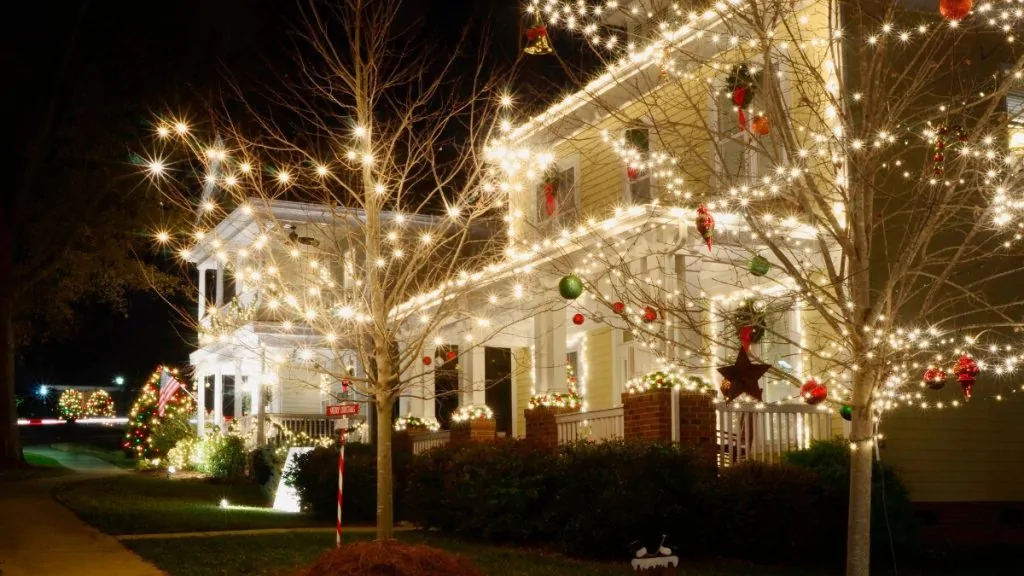
Outdoor holiday lights can attract certain insects at night. Where insects gather, spiders may follow because the lights create an easy feeding area.
That can lead to more webs around front porches, patio doors, garage entrances, windows, and rooflines. Homeowners who notice increasing spider activity around holiday lights may be seeing the result of additional insect activity nearby.
Also pay attention to extension cords. A cord should not prevent a door, garage seal, or weatherstripping from closing completely, because even a small gap can give pests an entry point.
Cardboard Decoration Boxes Can Become a Pest Problem

Cardboard boxes are one of the easiest places for pests to hide. They are dark, rarely moved, and often stored in garages, sheds, closets, or attics for most of the year.
Spiders, roaches, scorpions, and rodents may all use these areas. Before bringing boxes inside, inspect the outside and open them in a controlled area.
If a box is damaged, damp, chewed, or shows signs of pest activity, transfer the decorations into a clean container before bringing them into the house. Plastic storage bins with tight-fitting lids can offer better long-term protection than damaged cardboard.
Indoor Holiday Storage Areas Deserve Attention
Garages, attics, utility rooms, closets, and storage areas are common places to keep holiday decorations. They are also places where pests can remain undisturbed for long periods, which is one reason homeowners often find scorpions in quiet interior rooms.
Keep storage areas organized enough to inspect walls, corners, and floors. Avoid stacking everything directly against exterior walls or on the floor when shelving is available.
Rodents can use wrapping paper, tissue paper, artificial snow, fabric, and packing material for nesting. They may also chew cords on Christmas lights and animated decorations.
If you find droppings, gnaw marks, shredded material, or damaged wiring, investigate the source before putting decorations away.
Firewood Can Bring Pests Into the House
Firewood can shelter spiders, scorpions, beetles, ants, and other insects. If you use a fireplace during the holidays, bring in only the amount of wood you expect to use soon.
Avoid storing large stacks of wood inside the home or garage. Outside, keep firewood away from the house when possible and elevate it off the ground.
Wood piles that remain undisturbed can provide ideal shelter for Arizona pests, especially when stacked next to block walls or exterior doors.
Holiday Decorations and Scorpions
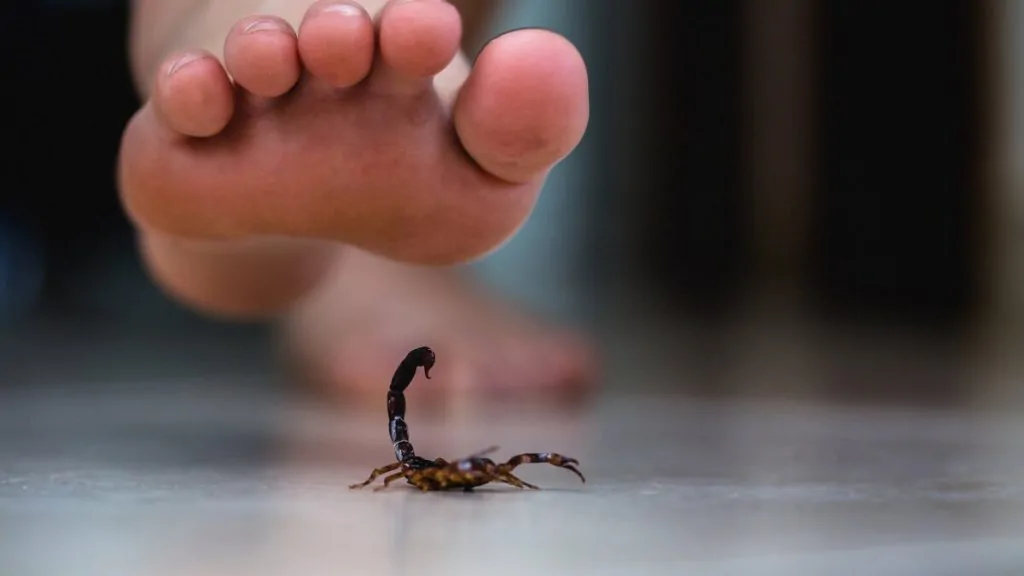
Scorpions look for protected areas where they can hide during the day. Outdoor decorations can create more of those spaces around the home.
They may shelter under yard decorations, behind storage boxes, around block walls, beneath wood piles, or inside garages. Homeowners should use gloves when moving items that have been sitting outside or in storage for an extended period.
Scorpions also follow food sources. Crickets and other insects are part of their diet, so conditions that increase insect activity around the property can also make the area more attractive to scorpions. Ongoing scorpion control addresses both the scorpions and the insects supporting them.
If you are seeing repeated cricket activity along with scorpions, addressing the insect activity can help reduce one of the conditions supporting them.
Rodents and Holiday Decorations
Rodents are attracted to quiet storage areas and materials they can use for nesting. Holiday decorations often provide both.
Cardboard, paper, fabric, artificial snow, packing material, and gift wrap can all be used as nesting material. Holiday food gives rodents another reason to investigate the area.
Store candy, nuts, baking ingredients, birdseed, pet treats, and food gift baskets in sealed containers. If you keep food in garages or utility rooms, inspect those areas regularly for droppings or gnaw marks.
Signs Pests May Be Hiding in Your Holiday Decorations
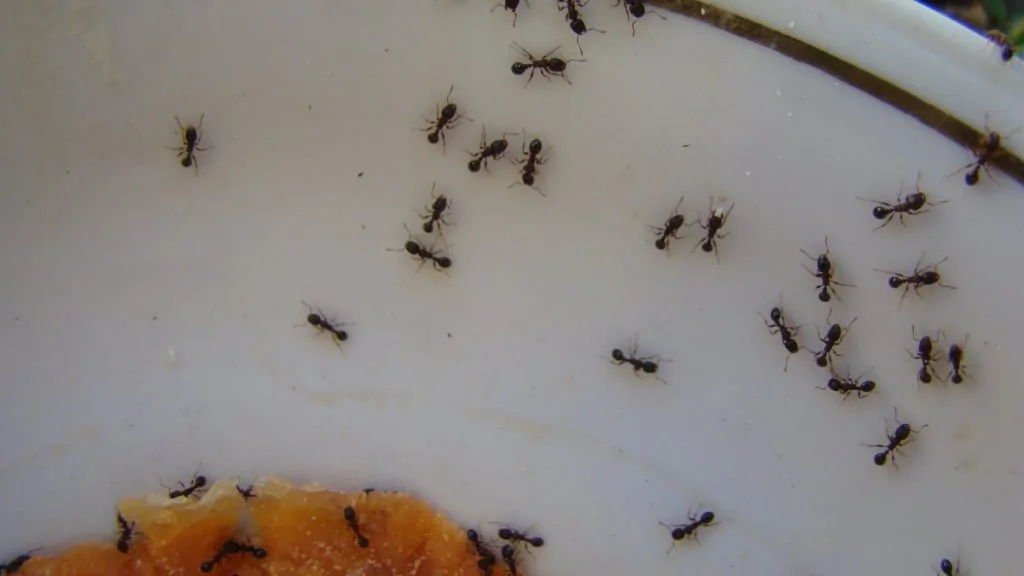
When you pull decorations out or pack them away, take a few minutes to check for pest activity.
Look for:
- Droppings.
- Chewed boxes.
- Gnaw marks.
- Webs.
- Egg sacs.
- Shed insect skins.
- Live insects.
- Scratching sounds.
- Damaged electrical cords.
- Nesting material.
One isolated insect may not indicate a larger problem. Repeated signs, especially droppings, damaged boxes, or pests appearing in multiple areas of the home, deserve more attention.
A Holiday Pest Prevention Checklist
Before decorating, inspect storage boxes and shake out items that have been sitting in garages, sheds, or attics. Check natural materials such as wreaths, greenery, firewood, pumpkins, and pinecones before bringing them indoors or placing them close to entry points.
While decorations are up, keep food and trash contained, remove deteriorating pumpkins, and check underneath large outdoor displays. Watch for increased insect activity around holiday lights, porches, patios, and garage entrances.
When decorations come down, inspect everything again before storing it. Allow damp items to dry completely, remove food residue, and use tightly sealed storage containers when practical.
When Holiday Pest Activity Needs Professional Attention
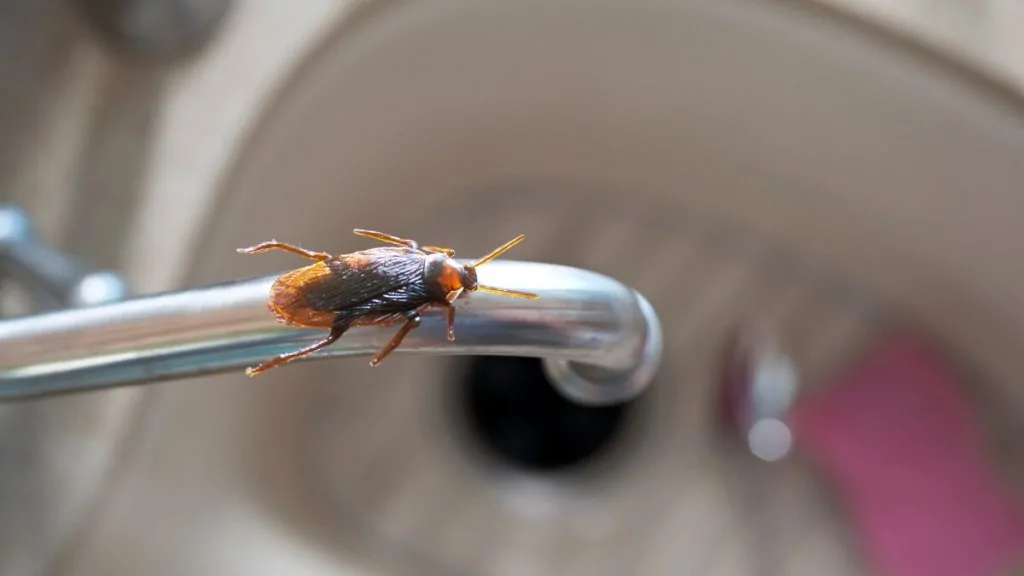
A few insects around an outdoor light are different from repeated pest activity inside the home.
Consider professional pest control if you regularly find scorpions, roaches, spiders, ants, rodent droppings, chewed storage boxes, damaged wiring, or common household pests in several areas of the property.
Garages and storage areas deserve special attention because they often connect outdoor pest activity to the interior of the home.
If you keep finding pests around decorations or seasonal storage, you may have a larger entry, shelter, or food-source issue that needs to be addressed.
Frequently Asked Questions
Enjoy the Holidays Without Creating Pest Problems
Halloween, Thanksgiving, and Christmas decorations can change the environment inside and outside your home for a few months. Pumpkins can become food sources, storage boxes can become hiding places, natural greenery can carry insects inside, and large outdoor decorations can create shelter around patios and walls.
Simple habits can make a major difference. Inspect decorations before bringing them inside, keep food and trash contained, remove deteriorating natural materials, check outdoor displays periodically, and inspect everything again before it goes back into storage.
Those small steps can help you enjoy the holiday season without giving pests extra opportunities to move into your home.
Keep Holiday Pests Out With 520 Termite & Pest Solutions
If you are seeing scorpions, spiders, roaches, ants, rodents, or other pests around your holiday decorations or storage areas, 520 Termite & Pest Solutions can help.
Serving Arizona homeowners since 1967, 520 Termite & Pest Solutions provides residential and commercial pest control throughout Phoenix and Tucson.
Visit www.520termite.com to learn more or request a free estimate.