
When you see termites crawling around your home, the first reaction is usually about your house. It’s easy to wonder, “Can termites bite humans?” After all, they chew through solid wood; wouldn’t skin be even easier?
The truth is, while termites have strong jaws designed to break down cellulose, they pose virtually no threat to humans. They don’t feed on blood, flesh, or any organic matter beyond wood and plant fiber. Still, it’s not uncommon for homeowners in Arizona to mistake other insect bites for termites or worry about what might happen if they accidentally touch one.
This guide clears up the confusion. We’ll explain whether termites ever bite people, what a “termite bite” might look like, and what you should actually be worried about. Plus, we’ll cover how to prevent termite infestations in Arizona’s dry, termite-prone climate and when it’s time to call in professionals from 520 Termite & Pest Control.
Understanding Termites
To understand whether termites can bite humans, it helps to know what drives their behavior in the first place. Termites are decomposers. Their purpose in nature is to break down cellulose, the tough, fibrous substance found in wood and plant materials. That’s why their powerful jaws are designed for chewing through lumber, not living skin.
There are three main types of termites found in Arizona:
- Subterranean Termites: The most common species in the state. They live underground in massive colonies and build mud tubes to travel safely from the soil to wood sources.
- Drywood Termites: Unlike subterranean species, these termites live entirely within the wood they consume. They can infest furniture, framing, and even decorative wood trim.
- Dampwood Termites: Less common in the desert, these termites prefer moisture-rich environments like leaky patios or decaying wood near irrigation lines.
All three types share one thing in common: a relentless appetite for cellulose. While that makes them a serious threat to homes, fences, and furniture, it also explains why humans aren’t on their menu.
Still, termites can become defensive when disturbed. Soldier termites, in particular, use their larger jaws to protect their colonies from predators like ants. In extremely rare cases, if a person handles a soldier termite or crushes one against their skin, it might try to bite in defense. But even then, it’s more of a reaction than an attack, and their jaws aren’t strong enough to break human skin.
Do Termites Bite Humans?
Let’s settle the question right away: termite bites on humans are extremely rare. While termites are capable of biting, they rarely do. Even when it happens, it’s not harmful. Termites aren’t aggressive insects, and they don’t see humans as a food source.
Termites have small but strong jaws that help them chew through wood fibers, yet those jaws are designed for grinding, not piercing. Most termite species in Arizona don’t have the ability to break human skin. If a person does experience a “bite,” it’s usually from direct contact. For example: handling a colony during a DIY inspection, moving infested wood, or brushing against soldier termites that are defending their nest.
If you do happen to get a small pinch from a soldier termite, it won’t result in broken skin, swelling, or any ongoing irritation. Termites do not carry venom or diseases that pose a health risk to humans. The worst you might feel is a slight tickle or momentary discomfort.
Most people who believe they’ve been bitten by termites have actually been bitten by other pests commonly found around Arizona homes, such as:
- Ants, especially carpenter ants that are often mistaken for termites.
- Bed bugs, which feed on human blood while people sleep.
- Fleas, which leave small red bite marks on the legs and ankles.
What Do Termite Bites Look Like?
Most people who think they’ve been bitten by a termite haven’t. Actual termite bites on humans are so rare that there’s almost no visible evidence when they happen.
In the extremely uncommon case that a soldier termite does manage to pinch the skin, the result might be a tiny red spot or mild irritation. Similar to a mosquito bite but less noticeable. There’s no venom, stinger, or saliva transfer, so the irritation usually fades within a few hours.
Can a Termite Bite Cause an Allergic Reaction?
While termite bites themselves aren’t medically significant, people with sensitive skin or existing allergies might notice slight redness or swelling if they come into contact with termites or their nesting materials. More commonly, homeowners experience allergic reactions to termite droppings, shed wings, or dust stirred up during an infestation, not from bites.
If irritation does occur, washing the area with soap and water and applying a mild antiseptic is usually enough. Persistent itching or swelling likely points to another type of insect bite and not a termite encounter.
What to Do if You Think You’ve Been Bitten by a Termite
Termite bites on humans are extremely rare and almost always harmless. In most cases, what feels like a “bite” is either a minor pinch from a defensive soldier termite or irritation caused by handling infested wood or debris.
If you suspect you’ve been bitten, here’s what to do:
- Wash the area with soap and water.
- This removes any dirt or bacteria and minimizes the chance of irritation.
- This removes any dirt or bacteria and minimizes the chance of irritation.
- Apply an antiseptic or soothing cream.
- An over-the-counter ointment or aloe-based gel can help calm the skin.
- An over-the-counter ointment or aloe-based gel can help calm the skin.
- Avoid scratching.
- Scratching can cause secondary irritation or infection, even if the bite itself is harmless.
- Scratching can cause secondary irritation or infection, even if the bite itself is harmless.
- Monitor for ongoing irritation.
- If redness or swelling persists for more than a day, the cause is probably another pest such as ants, fleas, or bed bugs.
- If redness or swelling persists for more than a day, the cause is probably another pest such as ants, fleas, or bed bugs.
- Inspect your surroundings.
- If you found termites nearby, the more pressing concern isn’t the bite, but your property. Termite activity close to your home often means there’s a colony nearby.
- If you found termites nearby, the more pressing concern isn’t the bite, but your property. Termite activity close to your home often means there’s a colony nearby.
While a termite bite won’t make you sick or cause lasting harm, the presence of termites in or around your house is a red flag. If you’ve seen termites or their droppings, mud tubes, or damaged wood, it’s time to contact 520 Termite & Pest Control for a professional inspection.
Our team will confirm whether termites are active, identify the type of infestation, and create a treatment plan to eliminate them safely and effectively.
What Homeowners Should Really Worry About
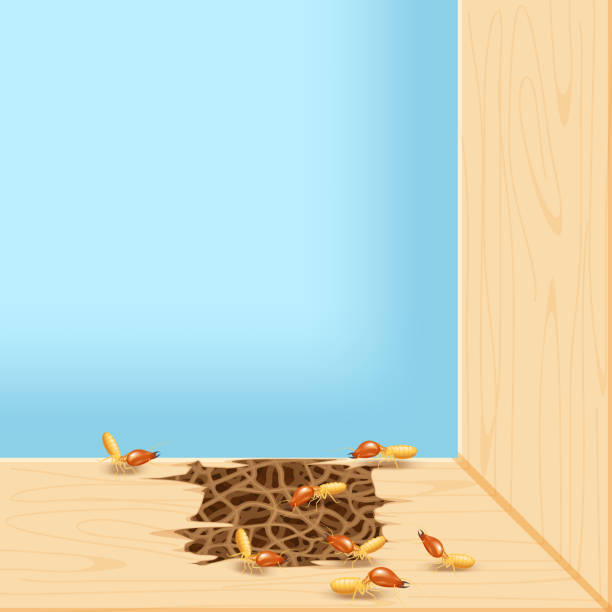
While termites aren’t a danger to your health, they pose a major risk to your home. The true threat is the damage they can do to your property’s structure. Termites eat 24 hours a day, seven days a week, and because they work quietly behind walls, under floors, or within wood framing, many infestations go unnoticed for months or even years.
In Arizona, where drywood and subterranean termites thrive, even a small colony can cause thousands of dollars in damage if it’s not caught early. Subterranean termites are especially destructive because they build hidden tunnels underground and move directly into the foundation of your home. Once inside, they feed on wood framing, baseboards, and flooring — often without any visible warning signs.
Common indicators of termite damage include:
- Hollow-sounding wood: Tapping on walls or flooring produces a papery, empty sound.
- Mud tubes: Thin, dirt-colored tunnels along your home’s foundation or walls.
- Frass (termite droppings): Small piles of wood-colored pellets near window sills, door frames, or baseboards.
- Bubbling or peeling paint: Termite activity often mimics water damage.
- Sagging floors or ceilings: A sign of prolonged structural weakening.
Homeowners often discover the problem only after noticing soft spots in wood or finding swarms of flying termites emerging from walls in spring.
Termite Infestations in Arizona Homes
Arizona’s warm, dry climate might not seem like an ideal environment for wood-destroying insects, but it’s actually one of the most active termite regions in the United States. The combination of mild winters, consistent warmth, and widespread development provides the perfect conditions for colonies to thrive year-round.
The most common type of termite in Arizona is the subterranean termite, which lives underground in massive colonies. These termites need moisture to survive, and they build mud tubes from the soil to reach above-ground food sources like the wooden framing of your home. Once inside, they hollow out the wood from the inside, leaving the outer surface intact. That’s why damage often goes unnoticed until it becomes severe.
Another frequent offender in Arizona is the drywood termite, which doesn’t need soil contact to survive. These termites live directly inside the wood they consume, infesting everything from attic beams to furniture and door frames. They can enter through exposed wood, attic vents, or even tiny cracks around windows.
Here’s what makes termite infestations in Arizona particularly challenging:
- Year-round activity: The warm weather means termites never fully go dormant.
- Construction habits: Many Arizona homes are built with wood framing, stucco exteriors, and slab foundations.
- Irrigation and landscaping: Drip lines, planters, and irrigation systems keep soil moist, which attracts subterranean termites.
- Hidden entry points: Cracks in concrete foundations or expansion joints allow colonies to move in undetected.
Because Arizona’s desert climate doesn’t provide the deep freezes that naturally slow termite activity in other regions, infestations can continue for years without interruption. Homeowners in Tucson, Mesa, and Phoenix often discover termites only after noticing swarmers (flying termites) emerging during the spring or monsoon seasons.
By the time you see visible damage, the colony has likely been active for months or even years. That’s why regular termite inspections from a local professional like 520 Termite & Pest Control are essential. Our team understands the local soil conditions, moisture patterns, and building materials commonly used across Arizona, which enables us to locate hidden colonies before they cause costly structural damage.
How to Prevent Termite Problems

The best way to deal with termites is to prevent them from reaching your home in the first place. Prevention is far easier and far less expensive than repairing termite damage after the fact. Here are the most effective ways to keep termites from moving in:
1. Keep Wood and Soil Separate
Subterranean termites travel through soil to reach wood, so eliminating contact between the two is one of the simplest preventive steps you can take. Keep at least six inches of clearance between your home’s siding and the soil. Avoid stacking firewood, lumber, or cardboard against the foundation or exterior walls.
2. Eliminate Moisture Sources
Even in the desert, moisture is a termite’s best friend. Fix leaky faucets, sprinkler heads, or irrigation lines near your home’s perimeter. Make sure gutters and downspouts direct water away from the foundation. If your home has poor drainage or frequent puddling, consider grading the soil or installing a drainage system.
3. Watch for Warning Signs
Be alert for common indicators of termite activity, such as mud tubes, discarded wings, or bubbling paint that resembles water damage. Termites work silently, but these clues can signal an active colony nearby.
4. Schedule Annual Termite Inspections
Even if you don’t see signs of termites, professional inspections are still needed. Experienced technicians can detect subtle early warning signs that most homeowners overlook. At 520 Termite & Pest Control, our inspections include a thorough assessment of your home’s foundation, walls, crawl spaces, and surrounding property to locate any termite activity before it becomes serious.
5. Protect Your Home with Preventive Treatments
520 Termite offers preventive barrier treatments and eco-friendly soil applications that repel termites before they ever reach your home. These treatments create a protective zone that keeps colonies away from your foundation and framing.
6. Maintain a Clean Perimeter
Clear away dead plants, mulch buildup, or wood debris from around your home. These materials can retain moisture and attract termites. A clean, dry perimeter reduces their access points and hiding spots.
7. Get Professional Help Immediately If You Spot Termites
If you see swarmers, droppings, or mud tubes, don’t wait to see if the problem goes away. Termite colonies never disappear on their own. Prompt professional treatment can save you thousands of dollars in repairs and protect your home’s structure for years to come.
Preventing termites takes consistency and vigilance, and that’s where 520 Termite & Pest Control comes in. Our local expertise, environmentally conscious products, and thorough inspection process make us the trusted choice for termite prevention and treatment in Arizona.
Get A Termite Inspection
If you’ve spotted signs of termite activity, from mud tubes and frass to discarded wings or hollow-sounding wood, don’t wait to find out how bad the damage might be. Call 520 Termite & Pest Control, your local Arizona termite experts. Our team offers thorough inspections, safe treatments, and prevention plans tailored for the unique conditions of homes across Tucson, Phoenix, and surrounding areas.
Frequently Asked Questions
Can termites bite humans?
Termite bites on humans are extremely rare and almost always harmless. Termites don’t feed on blood, flesh, or skin, only wood and plant fiber, so they have no reason to bite people.
What does a termite bite feel like?
If a soldier termite does pinch the skin while being handled, it may cause a tiny red spot or mild irritation similar to a mosquito bite. There’s no venom or stinger involved, and any irritation usually fades within a few hours.
What is often mistaken for a termite bite?
Most people who believe they’ve been bitten by termites have actually been bitten by other pests such as carpenter ants, bed bugs, or fleas.
What should I do if I think I’ve been bitten by a termite?
Wash the area with soap and water, apply an antiseptic or soothing cream, avoid scratching, and monitor for ongoing irritation. If redness or swelling persists for more than a day, the cause is probably another pest.
If termites aren’t dangerous to people, why are they a problem?
While termites pose no real threat to humans, they can cause thousands of dollars in structural damage to a home. Common signs include hollow-sounding wood, mud tubes, frass, bubbling paint, and sagging floors or ceilings.