
Scorpions are a common concern for homeowners in Arizona. The desert climate creates ideal conditions for species like the Arizona bark scorpion, which is known for entering homes and hiding in dark, cool spaces. Because scorpions are nocturnal and skilled at squeezing through small gaps, many infestations go unnoticed until homeowners encounter one indoors. Seeing a scorpion inside the home can be alarming. They are often found in bathrooms, bedrooms, garages, or laundry rooms, particularly at night when they are actively hunting for insects. For families with children or pets, scorpion infestations pose serious safety concerns.
Scorpion infestations often develop when a property provides the conditions they need to survive. Homes with insect activity, outdoor lighting that attracts bugs, dense landscaping, and small structural gaps can all increase the likelihood of scorpion activity.
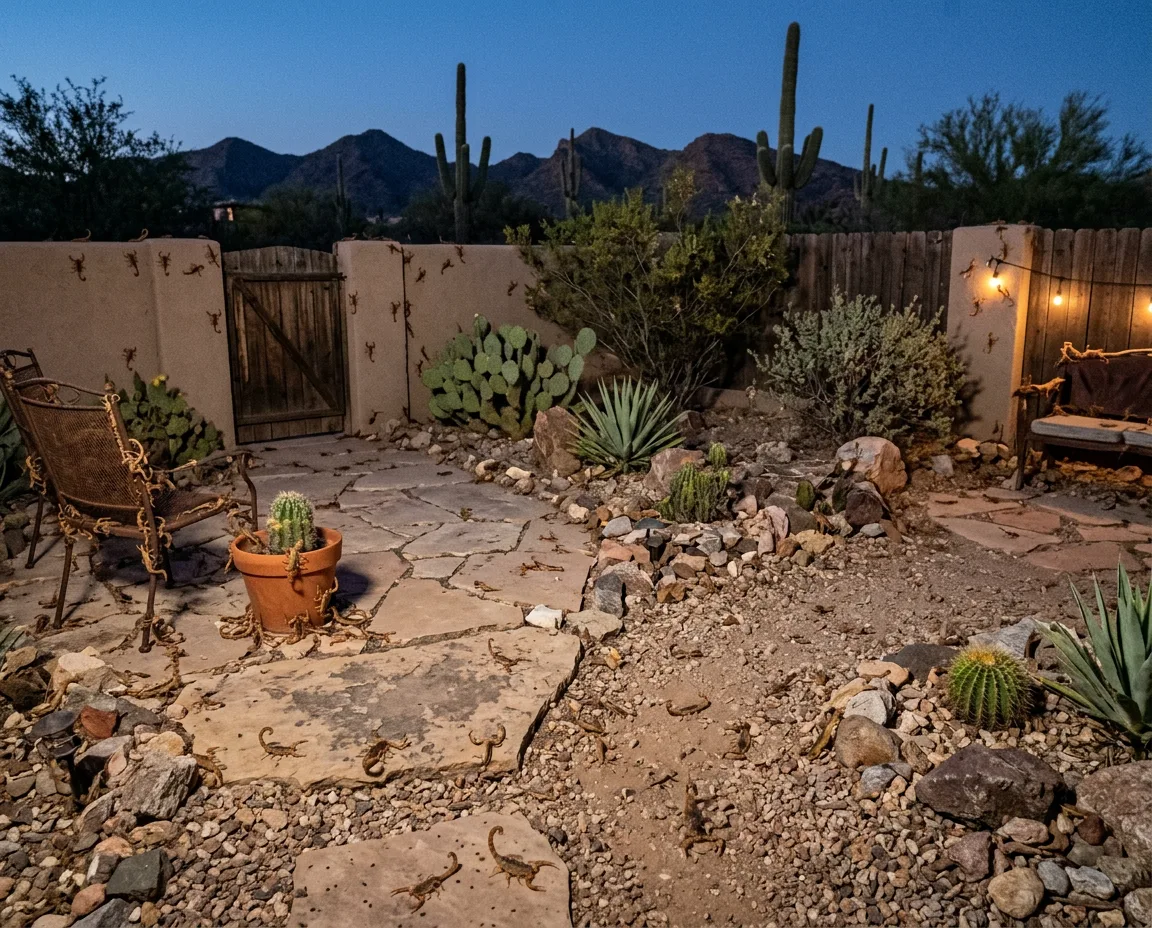
Understanding why scorpions appear around homes and how they enter buildings is the first step toward preventing infestations. With proper prevention strategies and professional pest control when needed, homeowners can significantly reduce scorpion activity.
Understanding Scorpions in Arizona
Scorpions are a regular part of life in Arizona. The desert environment provides ideal conditions for several species, but the one homeowners encounter most often is the Arizona bark scorpion (Centruroides sculpturatus). This species is responsible for most scorpion encounters inside homes and is considered the most medically important scorpion in the region.
The Arizona Bark Scorpion
The Arizona bark scorpion is easily recognized by its small size and light coloring.
Key characteristics include:
- Light tan or brown coloring that blends easily with desert surroundings
- Typically 2 to 3 inches long
- Thin pincers and a slender tail compared to other scorpion species
This species is a concern for homeowners because it is more venomous than other scorpions commonly found in Arizona. While most stings are not life-threatening, they can be extremely painful and may require medical attention, especially for children, older adults, or pets.
Arizona bark scorpions are also strong climbers. Unlike many other scorpion species, they can climb walls, ceilings, and rough surfaces, which allows them to enter homes and move throughout living spaces.
Common hiding places include:
- Under rocks and landscaping materials
- Inside hollow block walls
- Beneath patio furniture
- Garages and storage areas
- Shoes, clothing, towels, or bedding left on the floor
Scorpion Behavior and Activity Patterns
Scorpions are nocturnal predators, meaning they are most active after dark. During the day, they hide in cool, protected spaces.
They feed on insects such as:
- Crickets
- Roaches
- Spiders
Activity increases during warm months, monsoon season, and hot evenings after sunset. Scorpions often enter homes through small cracks and gaps while searching for food, water, or shelter.
Signs of a Scorpion Infestation
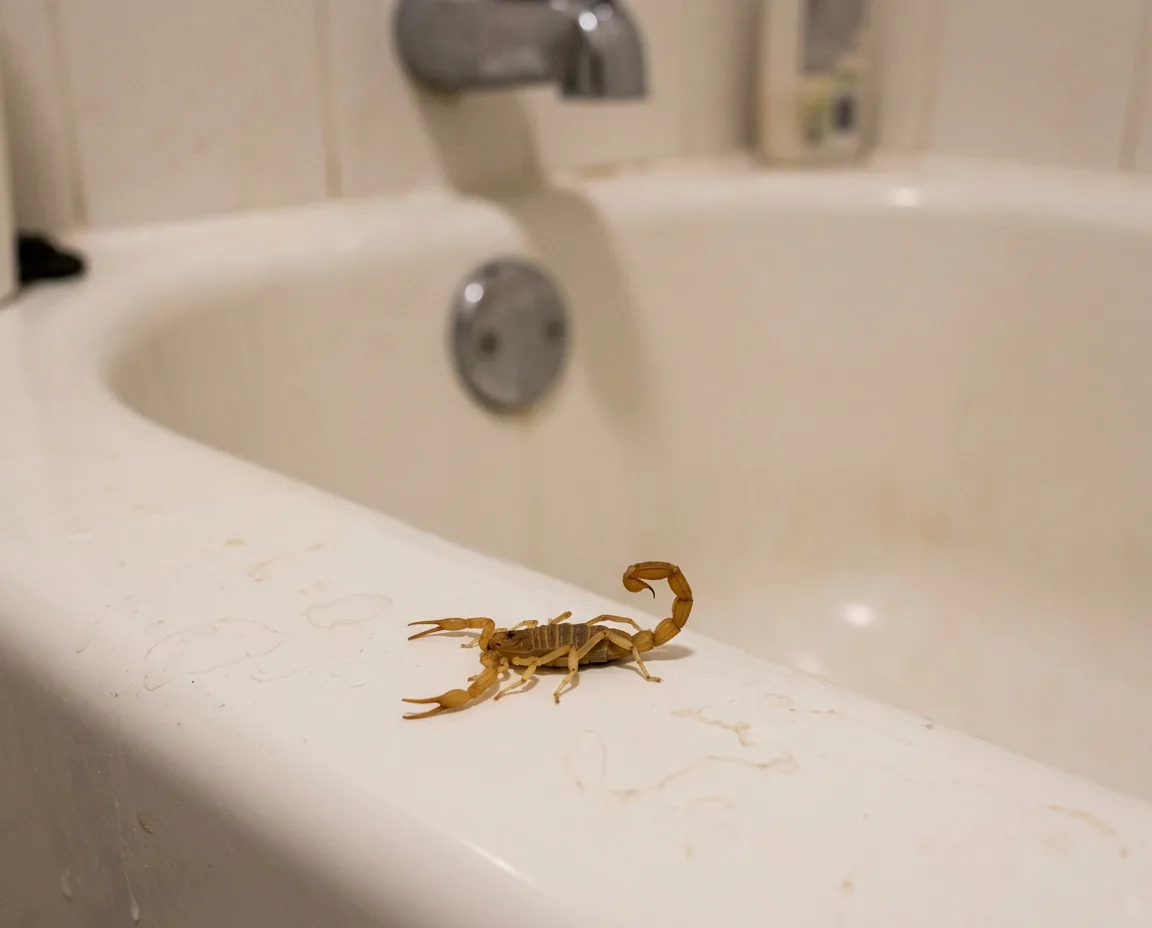
Seeing Scorpions Inside the Home
- Finding a scorpion indoors is one of the most obvious indicators.
- Common indoor locations:
- Bathrooms
- Laundry rooms
- Bedrooms
- Closets
- Baseboards and wall edges
Increased Nighttime Activity
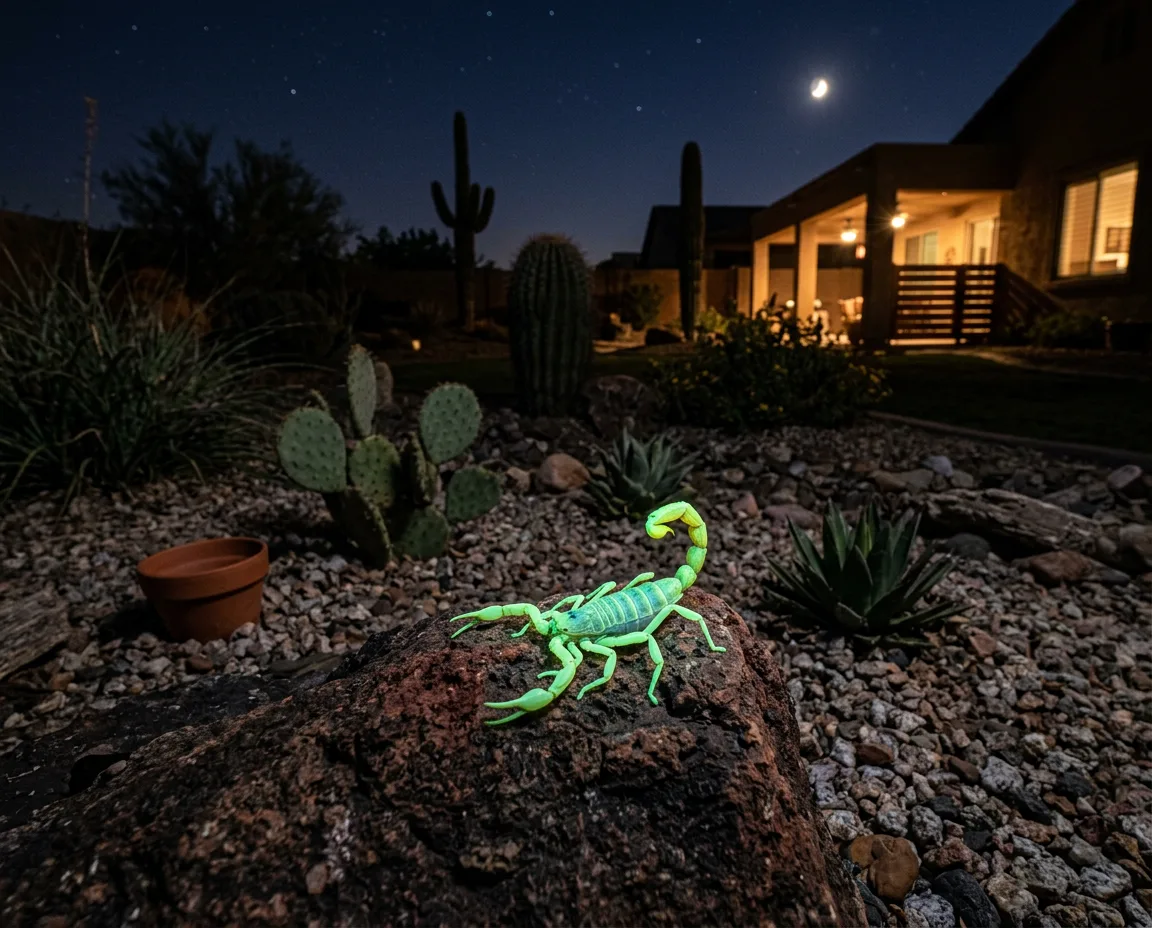
- Scorpions are more active at night.
- Homeowners may notice:
- Scorpions on walls or ceilings
- Movement across floors
- Activity in outdoor areas near lighting
Presence of Other Pest Insects
- Scorpions follow their food source.
- Heavy populations of certain insects often attract scorpions:
- Crickets
- Roaches
- Earwigs
- Beetles
- If these pests are present, scorpions may soon follow.
Scorpion Sightings in the Yard
- Outdoor sightings may occur around:
- Pool decks
- Landscape rocks
- Irrigation boxes
- Wood piles
- Block walls
Stings or Close Encounters
- Homeowners may discover the infestation after:
- A sting incident
- Finding a scorpion in bedding or clothing
- Discovering them in shoes or towels
Why Scorpions Invade Homes
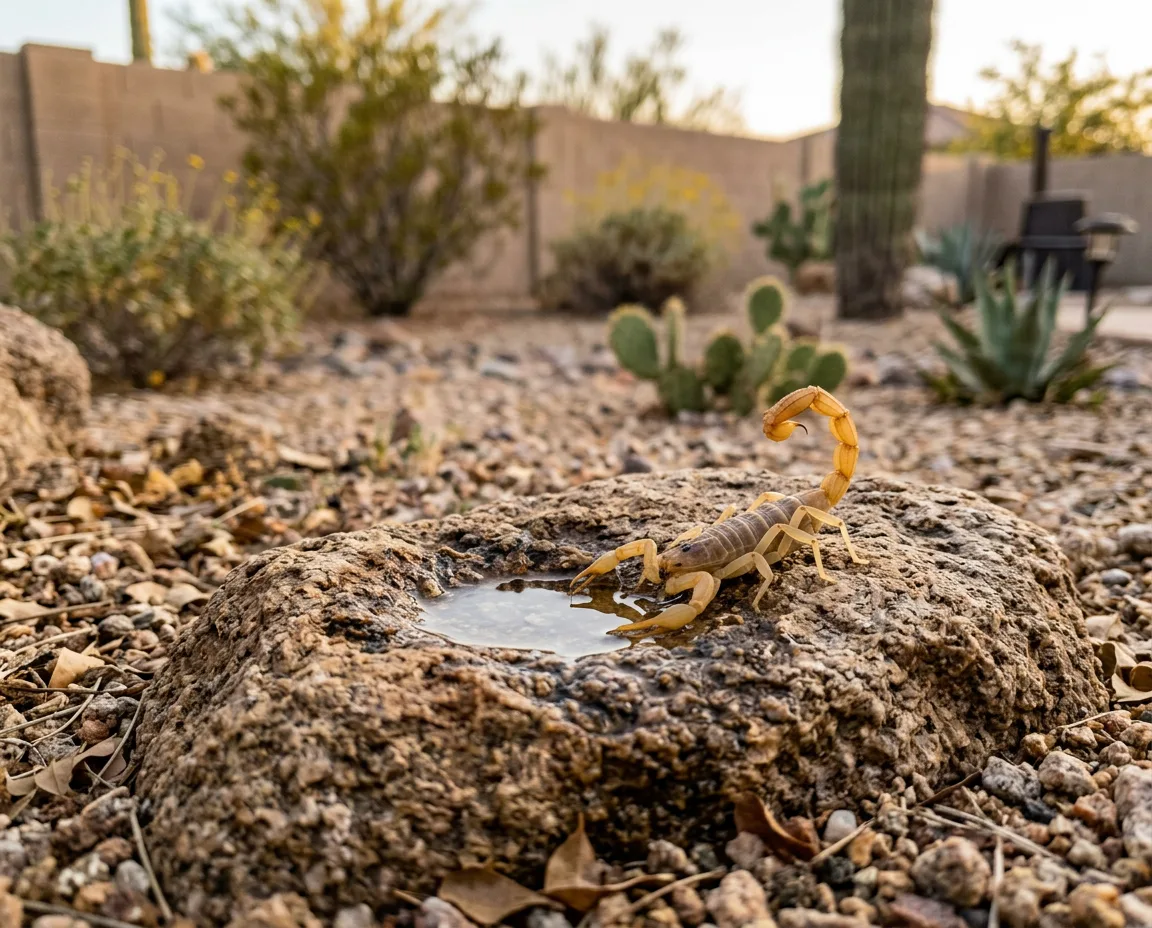
Scorpions rarely enter homes randomly. In most cases, they are drawn to properties that provide the three things they need to survive: food, water, and shelter. When these conditions are present around a home, scorpions are more likely to move closer to the structure and eventually find their way inside.
Searching for Food
One of the biggest reasons scorpions invade homes is the presence of insects. Scorpions are predators that rely on other pests for food, and homes with active insect populations can quickly attract them.
Indoor environments often provide:
- Reliable food sources
- Protection from predators
- Consistent shelter
Common insects that attract scorpions include crickets, roaches, spiders, and other small pests commonly found around homes. When these insects are present in large numbers, scorpions may follow them indoors while hunting.
A common example involves homes with cricket infestations. Crickets are a primary food source for scorpions, so properties with frequent cricket activity often begin experiencing scorpion sightings as well.
Seeking Water and Moisture
Even though scorpions live in desert environments, they still require moisture to survive. As a result, they are often drawn to areas around homes where water is available.
Common moisture sources include:
- Bathrooms
- Laundry rooms
- Leaky pipes or plumbing
- Outdoor irrigation systems
Once scorpions locate reliable water sources, they may begin hiding nearby and returning regularly.
Shelter and Protection
Scorpions prefer tight, dark spaces where they can remain hidden during the day. Homes and yards often provide many ideal hiding locations.
Typical hiding spots include:
- Hollow block walls
- Cracks in stucco or foundations
- Landscaping debris and rock beds
- Firewood piles
- Cluttered garages and storage areas
These areas provide protection from predators, heat, and daytime activity.
Seasonal Activity
Scorpion activity tends to increase during certain times of the year.
Movement often rises during:
- Late spring
- Summer
- Monsoon season
Heavy rains can drive scorpions out of their normal hiding places and into homes while they search for dry shelter and new places to hide.
Areas Around the Home That Attract Scorpions
Certain features around a home can unintentionally create ideal environments for scorpions. These pests look for locations that provide food, shelter, and protection from extreme heat. When these conditions exist around a property, scorpions are more likely to establish hiding areas nearby and eventually move closer to the home.
Landscaping Features
Some landscaping designs naturally create habitats where scorpions can hide during the day. Materials that hold heat, retain moisture, or create shaded hiding spaces can make yards more attractive to scorpions.
Common landscaping features that support scorpion activity include:
- Decorative rock beds that create small spaces for hiding
- Dense ground cover plants that provide shade and shelter
- Palm trees and thick vegetation that create cool hiding areas
- Piles of yard debris, leaves, or branches
These areas allow scorpions to stay protected during the daytime and then emerge at night to hunt insects.
Block Walls and Fence Lines
Block walls are one of the most common places where scorpions live in Arizona neighborhoods. The hollow cavities inside block walls provide cool, protected spaces that are ideal for nesting.
Scorpions can move freely inside these wall openings and come out after dark to hunt. Homes that share block walls with neighboring properties may experience higher scorpion activity because the walls allow them to travel long distances while remaining hidden.
Outdoor Lighting
Exterior lights can unintentionally attract scorpions by attracting insects. Many flying insects gather around lights at night, which creates a food source for scorpions.
Areas most affected include:
- Porch lights near entry doors
- Garage lights
- Patio or backyard lighting
Scorpions may position themselves nearby to hunt the insects that gather around these lights.
Pools and Water Features
Pools, fountains, and other water features often attract insects during the evening hours. Because insects gather around these areas, scorpions may also appear nearby while searching for food.
Homeowners sometimes notice scorpions around pool decks, outdoor seating areas, or nearby landscaping where insects are most active after sunset.
Practical Steps to Prevent Scorpion Infestations
Preventing scorpion infestations requires reducing the conditions that attract them. Since scorpions enter homes in search of food, water, or shelter, homeowners can significantly lower the risk by addressing these factors around the property. Consistent maintenance, pest control, and sealing entry points can make a home far less appealing to scorpions.
Seal Entry Points Around the Home
Scorpions can enter homes through very small openings. Cracks and gaps around doors, windows, and foundations often provide easy access.
Homeowners should inspect and seal areas such as:
- Door gaps along exterior entryways
- Window frames and loose screens
- Utility line penetrations entering the home
- Cracks in foundation walls or stucco
Installing weather stripping and door sweeps is especially important, since gaps under doors are one of the most common entry points. Sealing these areas helps prevent scorpions from entering and improves overall pest protection.
Reduce Insect Populations
Because scorpions feed on insects, controlling other pests is one of the most effective ways to reduce scorpion activity.
Pest control efforts should focus on insects such as:
- Crickets
- Roaches
- Spiders
When these insects are eliminated, scorpions lose their primary food source and are less likely to remain around the property. Professional pest control services can significantly reduce insect populations and, in turn, help control scorpions.
Modify Landscaping
Certain landscaping features can provide ideal hiding places for scorpions. Making small changes around the yard can help limit these environments.
Helpful landscaping adjustments include:
- Trimming dense vegetation near the home
- Avoiding wood piles close to the house
- Keeping rock landscaping minimal near foundations
Maintaining 12 to 18 inches of clear space between landscaping and exterior walls also reduces hiding areas and makes it easier to detect pest activity.
Reduce Outdoor Lighting Attraction
Outdoor lights often attract insects at night, which in turn attracts scorpions looking for food.
To reduce this effect:
- Use yellow or “bug light” bulbs
- Position exterior lights away from doors and windows
- Turn off unnecessary outdoor lighting when possible
These small adjustments can help reduce insect activity near entry points.
Declutter Storage Areas
Garages, sheds, and storage rooms can become hiding places for scorpions if clutter accumulates.
Homeowners should:
- Keep garages and storage areas organized
- Avoid leaving items directly on the floor
- Store boxes and equipment on shelves when possible
Reducing clutter eliminates dark hiding spaces and makes it easier to spot scorpions before they become a larger problem.
Schedule a Scorpion Infestation Treatment
If you are seeing scorpions in or around your home, professional pest control can help eliminate the problem and prevent future infestations.
Contact 520 Termite & Pest today to schedule a scorpion inspection and treatment plan for your home. Their experienced technicians understand local scorpion behavior and provide targeted solutions that keep your home protected year-round.
For information on scorpion sting symptoms and treatment, see Banner Health’s guide to bark scorpions.
Frequently Asked Questions
Are scorpions common in Arizona homes?
- Yes. Scorpions are common throughout Arizona, especially in areas with desert landscaping, block walls, and insect populations.
What should I do if I find a scorpion infestation in my house?
- Stay calm and avoid handling the scorpion.
- Use a container to trap it if possible.
- Contact a pest control professional if sightings continue.
Are scorpion stings dangerous?
- Most stings are painful but not life-threatening.
- Children, pets, and individuals with allergic reactions may require medical attention.
Do scorpions live in walls?
- Yes. Scorpions often hide in block wall cavities and cracks around the home.
How can pest control reduce scorpion populations?
- Pest control targets the insects scorpions feed on and treats areas where scorpions hide, reducing both food sources and habitat.
How often should scorpion control treatments be done?
- Many homes benefit from routine pest control services every month or every two months, depending on activity levels.