
Carpet beetles are among the pests most homeowners overlook until the damage is staring them in the face. They’re tiny, quiet, and easy to mistake for harmless household bugs. The problem is that while the adults are buzzing around windows and lights, the real destruction is happening at floor level. Their larvae feed on natural fibers like wool, silk, leather, feathers, and even certain types of carpeting and upholstery. Left alone, a small cluster can turn into bald patches in your rugs, holes in your clothing, and thinning carpet along your baseboards.
What makes carpet beetle damage so frustrating is how easily it goes unnoticed. The early signs aren’t dramatic. They start as subtle fraying, a few light patches on a rug, or a small hole in a sweater tucked away in the back of a closet. By the time most people realize what’s happening, the infestation has already spread to multiple rooms. Understanding how these pests operate, where they hide, and what damage they cause is the only way to prevent the problem from escalating into a full-scale renovation-level expense.
How Carpet Beetle Damage Starts
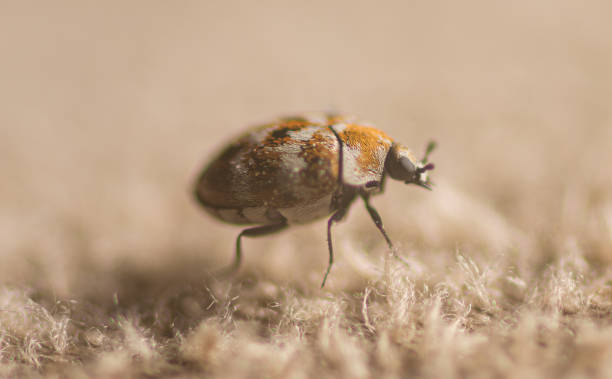
The starting point for most carpet beetle damage is the larval stage, not the adult, which is what people typically notice flying around. The adults are mostly interested in light and food sources that have nothing to do with the fibers in your home. The real problem begins when they lay eggs in dark, undisturbed areas that contain natural materials. These eggs hatch into larvae that feed aggressively and continuously.
Carpet beetle larvae target anything made from animal-based fibers. This includes wool rugs, upholstered furniture, leather items, silk clothing, feather-filled pillows, and even certain blends that contain only a small percentage of natural materials. They tend to gravitate toward areas that the homeowner rarely checks. Typical starting points include under furniture, behind baseboards, inside air vents, at the edges of carpets, and in the back corners of closets.
Once larvae find a food source, they don’t stop. They create irregular holes, worn patches, and thinning areas as they eat through fibers. Because they’re small and avoid light, they can feed for weeks before anyone notices. The longer the larvae go undisturbed, the more likely they are to spread to new areas. What begins as a hidden cluster in one room can easily become a multi-room problem if the conditions remain favorable.
What Carpet Beetle Damage Actually Looks Like
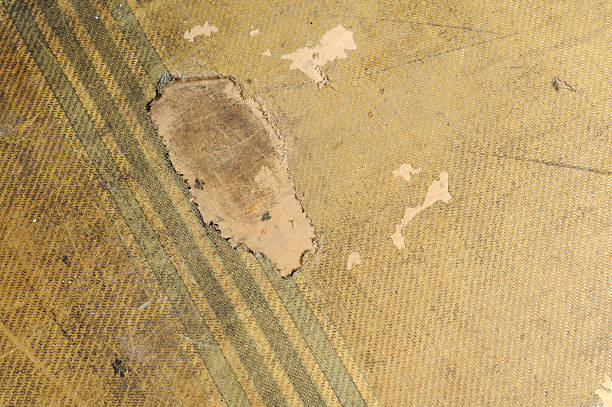
Carpet beetle larvae create uneven thinning rather than clean-cut holes. You’ll often see fibers chewed down to the backing, especially along baseboards, under furniture, and in low-traffic areas. The pattern is scattered and inconsistent because larvae feed in small clusters that expand over time.
Subtle Wear on Upholstered Furniture
Furniture with natural fibers becomes a feeding ground. The signs include fraying, loose threads, soft spots in cushions, or bald patches developing from the underside outward. Decorative trims, wool-blend fabrics, and feather-filled cushions tend to show the earliest wear.
Irregular Holes in Clothing and Stored Fabrics
Wool sweaters, silk garments, leather accessories, blankets, and stored linens are frequent targets. The holes are uneven and fuzzy around the edges. Items kept in closets or boxes for long periods are usually hit hardest since larvae prefer dark, undisturbed spaces.
Clues Beyond the Damage
The physical damage isn’t the only indicator. Small piles of fiber dust, shed larval skins, and pepper-like frass near affected areas are strong confirmation that carpet beetles are actively feeding. These subtle signs are often more reliable than the damage itself when identifying early activity.
How Carpet Beetles Spread Through a Home
Carpet beetles don’t remain isolated once they find a food source. As larvae mature into adults, they seek new locations to lay their eggs. Adults are drawn to light, which means they move toward windows, vents, ceiling fixtures, and doorways. Every time they relocate, they introduce eggs into new parts of the home, creating multiple feeding zones.
Hidden Pathways Most People Overlook
These pests take advantage of quiet, dark spaces. Airflow and natural gaps make it easy for them to move. They slip behind baseboards, into wall voids, under carpeting, and through HVAC ducts. Even well-maintained homes have enough access points for carpet beetles to migrate without being noticed.
The Closet-to-Bedroom Pipeline
Closets become hotspots because they’re full of natural fibers and rarely disturbed. Once larvae establish themselves there, the next logical move is into bedrooms, where rugs, upholstered headboards, blankets, and pillows offer fresh feeding grounds. A few larvae left undetected in a closet can eventually compromise an entire room.
Why Attics and Storage Areas Accelerate the Problem
Attics, storage rooms, and garages offer perfect conditions for spreading. They’re warm, quiet, and packed with boxes of seasonal clothing, blankets, and fabric items. Adults often enter through vents or gaps in the roofing and lay eggs on stored materials. From there, they work their way down into living spaces.
Common Mistakes Homeowners Make (And Why the Damage Gets Worse)
This is the biggest mistake and the one that wastes the most time. Homeowners often assume that any damage to fabrics is caused by moth activity. They buy moth traps, sprinkle cedar chips, and wait for results that never come. Carpet beetles require a completely different treatment approach, so misidentifying the pest gives the larvae more time to feed and multiply.
Only Cleaning the Visible Areas
Most people vacuum open spaces and skip the edges, corners, and dark zones where carpet beetle larvae actually live. Vacuuming the center of a rug does nothing if the larvae are tucked under the couch, behind the baseboard, or feeding under the bed. Missing these areas ensures the infestation survives every “cleaning.”
Relying Too Heavily on DIY Sprays
A few cans of store-bought spray won’t solve a carpet beetle problem. Sprays rarely penetrate deep enough into carpets, upholstered furniture, or wall voids to reach hidden larvae or eggs. Worse, the temporary smell or residue can prompt adults to move into new rooms, spreading the infestation instead of eliminating it.
Ignoring the Pest Lifecycle
This is where most DIY attempts fail. Killing one life stage doesn’t matter if you leave another untouched. Larvae, eggs, pupae, and adults all require different strategies. Homeowners often stop treatment too early, not realizing that new larvae will hatch and resume where the last batch left off.
Delaying Professional Help
By the time someone realizes the damage is spreading, they’ve usually tried several ineffective DIY methods. Every week of delay gives larvae more opportunities to feed and adults more time to lay eggs in hidden areas. What starts as a manageable issue can grow into a full-home infestation that requires intensive treatment.
Professional Inspection: What Truly Identifies Carpet Beetles
Professionals know exactly where carpet beetles hide and how their damage differs from that of moths, silverfish, or simple wear and tear. Instead of focusing solely on visible damage, they look for patterns, feeding trails, and environmental conditions that indicate larval activity. This eliminates guesswork and speeds up proper treatment.
Identifying the Species Matters
Not all carpet beetles behave the same. A professional will identify whether you’re dealing with black carpet beetles, varied carpet beetles, or furniture carpet beetles. Each species has slightly different habits, preferred materials, and reproduction patterns. Proper identification helps determine the extent of the infestation and identifies which areas require priority attention.
Inspecting High-Risk Zones
Professionals don’t just check open rooms. They inspect:
• Baseboards and trim
• Under and behind furniture
• Closets and storage boxes
• Air ducts and vents
• Attics and crawl spaces
• Upholstered furniture interiors
These areas exhibit the earliest and most telling signs of infestation. Catching larvae in these hidden zones is key to stopping the spread.
Using Tools That Confirm Activity
Inspectors look for shed skins, larvae, eggs, frass, and live adults to determine the severity of the infestation. They’ll also examine fabrics at a close angle to differentiate between feeding damage and natural wear.
Creating a Clear Action Plan
The biggest advantage of a professional inspection is the structured plan that follows. You don’t just get a diagnosis. You get a blueprint for what needs to be cleaned, treated, monitored, or replaced. This prevents wasted time, avoids ineffective DIY experiments, and stops the infestation from spreading to new areas.
Treatment Options: What Actually Works
Effective treatment starts with removing what the larvae feed on. That means vacuuming thoroughly along baseboards, behind furniture, in closets, and underneath rugs. Professionals use high-suction vacuums with HEPA filters to remove larvae, eggs, and debris. Steam cleaning can also help break down organic buildup that attracts beetles in the first place.
Targeted Treatment of High-Activity Zones
Carpet beetles rarely stay in open areas. High-risk areas, such as transitions between rooms, under beds, inside closets, and vent edges, receive special attention. Professionals apply insect growth regulators or residual treatments to disrupt the lifecycle and prevent larvae from maturing or eggs from hatching. These materials are placed where people and pets won’t have direct contact.
Treating Furniture, Fabrics, and Stored Items
Anything containing natural fibers can become a breeding ground for pests. Upholstered furniture may need localized treatment or deep cleaning. Clothing and blankets might require laundering on high heat or dry cleaning. Stored boxes get emptied, inspected, and vacuumed to ensure larvae aren’t hiding in corners or seams.
Heat and Steam as Supplemental Tools
Heat is one of the most reliable ways to kill larvae and eggs. Steam treatments on carpets, rugs, and furniture can penetrate deep enough to reach hidden pockets. Professionals sometimes recommend heat-treating stored fabrics or using high-temperature dryers to eliminate pests on vulnerable items.
When Chemical Treatments Become Necessary
If the infestation is widespread or recurring, chemical applications may be required. These are placed strategically to avoid saturation while still hitting the points where larvae travel and hide. Used correctly, they break the lifecycle and stop new generations from emerging. Overuse, on the other hand, can scatter adults into new rooms, which is why a controlled approach matters.
What Doesn’t Work
Not all solutions advertised online make sense. Foggers, for example, don’t penetrate carpets or furniture where larvae live. Over-the-counter sprays often fail to reach eggs. And scented deterrents only push pests around rather than stopping the damage. A structured, multi-step approach is the only strategy that delivers results.
How Much Damage Carpet Beetles Can Cause (Realistic Expectations)
Carpet beetles don’t create dramatic damage overnight. They work quietly and consistently. That slow pace is precisely why the cost adds up. A few larvae feeding along the edge of a rug might seem harmless until you flip it over months later and see bare patches spreading across the backing. By that point, the cost of repair usually exceeds the rug’s value.
Damage to Carpets and Rugs
Wall-to-wall carpet takes the biggest hit in hidden zones. Larvae feed along baseboards, transition strips, and areas under furniture that are rarely reached by vacuuming. Replacing even a single room of carpet can cost hundreds or thousands of dollars, depending on the size and materials. High-quality wool rugs suffer even more because natural fibers are their favorite food source.
Impact on Clothing and Stored Fabrics
Wool coats, silk garments, leather pieces, blankets, and stored linens can be ruined in a single season. One box of winter clothing left untouched all summer can become a complete loss. People often think the damage happened “suddenly,” but it’s usually the result of months of undetected feeding.
When Upholstered Furniture Becomes a Target
Sofas, chairs, ottomans, and decorative cushions with natural stuffing or blended fabrics can sustain damage that isn’t obvious until it’s advanced. The cost of reupholstery or replacement can be steep. Once larvae burrow into seams or padding, the internal damage can’t be reversed.
The Snowball Effect of an Untreated Infestation
Each larval generation feeds for weeks before pupating. If the environment stays favorable, the cycle repeats. One overlooked hotspot becomes multiple feeding zones throughout the home. The longer the infestation persists, the more repairs, cleaning, and replacements you’ll need.
Prevention: How to Make Your Home Uninviting to Carpet Beetles
Surface-level cleaning won’t stop carpet beetles. The areas you normally ignore are where larvae thrive. Vacuum baseboards, under furniture, inside closets, behind dressers, and along carpet edges. Regularly rotate rugs and move furniture so dark, undisturbed areas don’t become feeding sites. A consistent and thorough cleaning schedule prevents larvae from settling in.
Store Natural Fibers the Right Way
Wool, silk, leather, and feather-filled items should never be stored loosely or left exposed in warm closets or attics. Use airtight bins for seasonal clothing and blankets. If items must hang, use garment bags made from breathable but insect-resistant materials. Laundering or dry cleaning before storage removes oils and debris that attract larvae.
Control Humidity and Temperature
Carpet beetles thrive in warm, dry environments. While you can’t change the climate, you can reduce indoor conditions that help them spread. Keep closets ventilated, avoid overstuffing storage areas, and use dehumidifiers in attics, basements, or spare rooms where fabrics are kept.
Pay Attention to Windows, Doors, and Vents
Adult carpet beetles often enter from outside, especially near flowers or outdoor lighting. Inspect window screens for gaps, seal around door frames, and check vents for openings that could allow beetles inside. Reducing entry points keeps the problem from restarting after treatment.
Inspect New or Secondhand Items
Rugs, furniture, wool clothing, and vintage textiles can carry larvae or eggs without any obvious signs. Before bringing anything into your home, inspect seams, undersides, and padding. A few minutes of checking prevents months of damage.
After Treatment, Monitor Regularly
Even after a home is treated, inspection shouldn’t stop. Set a reminder to check closets, rugs, vents, and storage boxes every few weeks. Early detection is the difference between a minor cleanup and a full-blown reinfestation.
When to Call a Professional
Suppose you’ve vacuumed thoroughly, laundered affected fabrics, cleared clutter, and you’re still finding new holes, bald carpet patches, or fresh larval skins. In that case, the infestation has already moved beyond surface-level treatment. This is the point at which DIY methods cease to be effective, and a professional assessment becomes necessary.
When Damage Appears in Multiple Rooms
Carpet beetles spreading to bedrooms, living rooms, closets, and storage areas indicate that their lifecycle is fully active. This typically means adults have laid eggs in more than one location. A professional can identify not only where the pests are now, but where they’re likely to spread next.
When You Can’t Identify the Source
Some infestations start from a single contaminated item. Other times, they come from attics, wall voids, vents, or outdoor entry points. If you can’t pinpoint the origin of the problem, treatment becomes guesswork. Professionals recognize the distinction between superficial damage and a more profound structural or environmental issue.
Carpet Beetles or Moths?
Misidentification is a common occurrence that wastes time. A trained technician can quickly determine whether you’re dealing with carpet beetles, clothes moths, or another fiber-damaging pest. Treatment is specific to the species, so getting this right matters.
When You See Signs of a Recurring Infestation
If you’ve treated the home before and the problem keeps recurring, it means a life stage is being overlooked, a hidden hotspot wasn’t addressed, or adults continue entering from outside. A professional can break the cycle by treating all stages and all hiding places.
When Chemicals Are Needed
Improper application can disperse the pests into new areas, exacerbating the situation. Pros know where to apply treatments, how much to use, and how to keep people and pets safe during the process.
Protect Your Home by Acting Early
Carpet beetle damage doesn’t slow down on its own. Once the larvae establish themselves, they continue feeding quietly through rugs, clothing, furniture, and stored fabrics. The sooner you address the problem, the easier it is to stop the spread and save the items you care about.
At 520 Termite & Pest Solutions, we’ve seen how quickly a minor carpet beetle infestation can escalate into a multi-room infestation, especially in Arizona homes where warm conditions keep pests active year-round. Our team understands the behavior of these insects, where they hide, and how to eliminate every stage of their lifecycle. We don’t guess, and we don’t rely on one-size-fits-all treatments. We inspect the entire home, identify the feeding zones, remove the source, and implement a long-term plan to prevent their return.
If you’re noticing unexplained holes in clothing, thinning carpet, or irregular damage that appears to worsen each month, don’t wait for it to become a larger issue. One call brings a trained technician to your door, ready to identify the problem and eliminate it correctly the first time.
Your home shouldn’t be a buffet for carpet beetles. Let 520 Termite & Pest Solutions protect it. Reach out today to schedule a professional inspection and stop the damage before it spreads.
Frequently Asked Questions
What actually causes carpet beetle damage, the adults or the larvae?
The larvae cause the damage, not the adults. Adults are mostly attracted to light and lay eggs in dark, undisturbed areas containing natural fibers, and it’s the larvae that feed continuously on wool, silk, leather, feathers, and carpeting.
What does carpet beetle damage look like?
Carpet beetle larvae create uneven thinning and irregular, fuzzy-edged holes rather than clean-cut damage, often along baseboards, under furniture, and in closets. Small piles of fiber dust, shed larval skins, and pepper-like frass near the damage are also strong signs of activity.
Are carpet beetles the same as moths?
No, and this is one of the most common mistakes homeowners make. Carpet beetles require a different treatment approach than moths, so misidentifying the pest and treating for moths only gives carpet beetle larvae more time to feed and multiply.
Why don’t DIY sprays and vacuuming get rid of carpet beetles?
Store-bought sprays rarely penetrate deep enough into carpets, upholstery, or wall voids to reach hidden larvae and eggs, and most people only vacuum open areas while skipping the edges, corners, and dark zones where larvae actually live.
When should I call a professional for carpet beetles?
Call a professional if damage appears in multiple rooms, you can’t identify the source of the infestation, you’re unsure whether you’re dealing with carpet beetles or moths, or the problem keeps recurring after previous treatment.