Termite and Pest Control in Desert Hills
If your Desert Hills property backs onto a wash — and on ten-acre desert lots out here, most do — you’re already sharing that ground with scorpions, pack rats, and black widow spiders, whether you’ve spotted them yet or not. This isn’t a subdivision with sidewalks and shared fences; it’s open desert broken up by Skunk Creek, Apache Wash, and Desert Hills Wash, and every one of those washes functions as a corridor for wildlife moving toward the nearest water, shade, or woodpile — which is usually your property, your shed, or your parked truck.
What’s Actually Out There
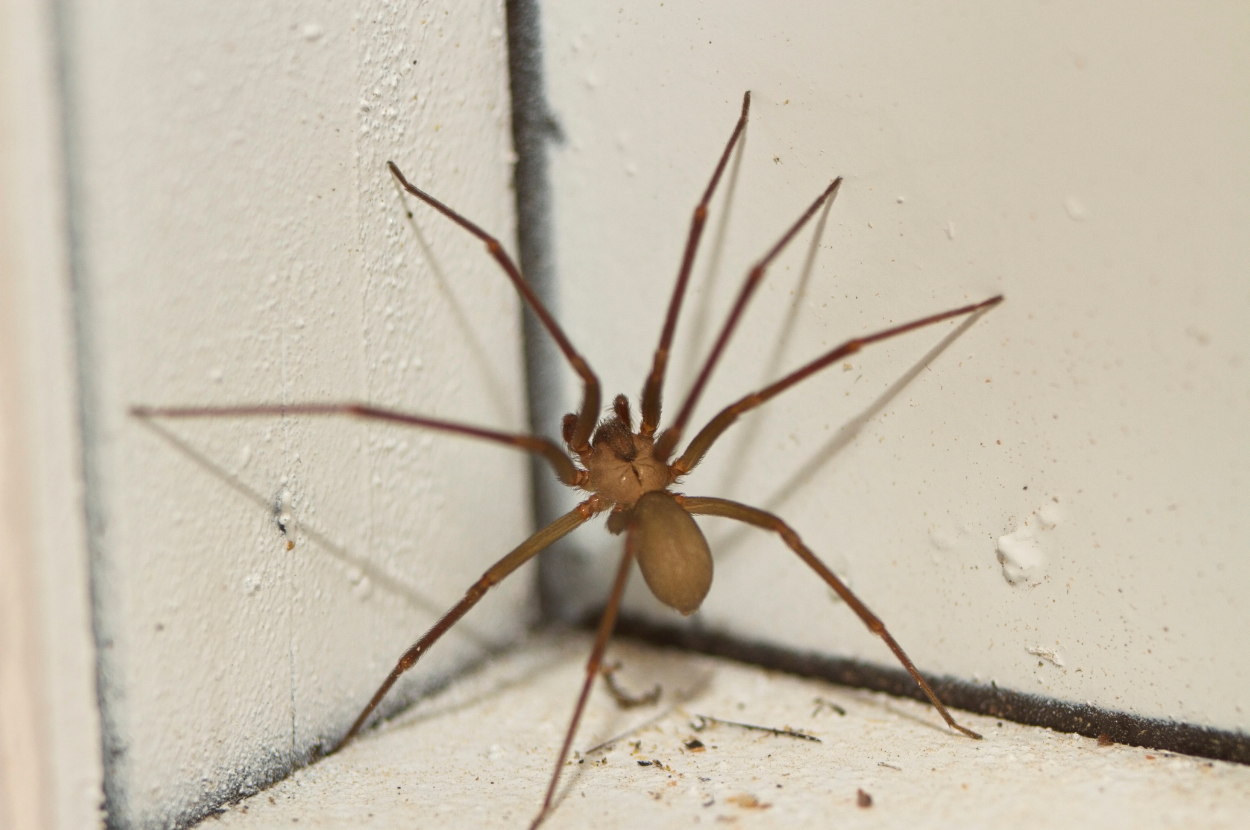
Pack rats are the number one complaint we hear from Desert Hills clients, and for good reason: they build nests — sometimes the size of a small dresser — in woodpiles, under sheds, inside parked equipment, and even in vehicle engine bays, chewing wiring along the way. Bark scorpions and striped-tail scorpions move in from the surrounding desert floor and cluster around rock piles, block walls, and detached outbuildings, especially on properties with horse stalls or hay storage nearby. Black widow spiders favor the same undisturbed corners — woodpiles, garages, and the underside of patio furniture that doesn’t get moved often. Termite pressure exists too, concentrated around septic leach fields and any irrigated landscaping, but it’s less universal out here than the rodent and scorpion pressure that comes standard with living this close to open desert on a large lot. Properties nearer Cave Creek Regional Park and the Sonoran Preserve tend to see heavier scorpion and pack rat traffic than lots closer to the Carefree Highway commercial strip, simply because they sit closer to undisturbed desert habitat.
Why Locals Choose Us
- We treat acreage, not just a slab — ten-acre lots get a perimeter plan sized to the property, not a subdivision-standard spray
- We know which pests come from the wash and which come from a neighbor’s hay bales, and treat accordingly
- Well and septic systems are accounted for before any chemical goes down, not treated as an afterthought
- No HOA, no problem — we work directly with property owners on flexible scheduling
- Licensed, insured, and familiar with the rural stretch between Carefree Highway and the Anthem town limits

Residential and Commercial Service Across Desert Hills
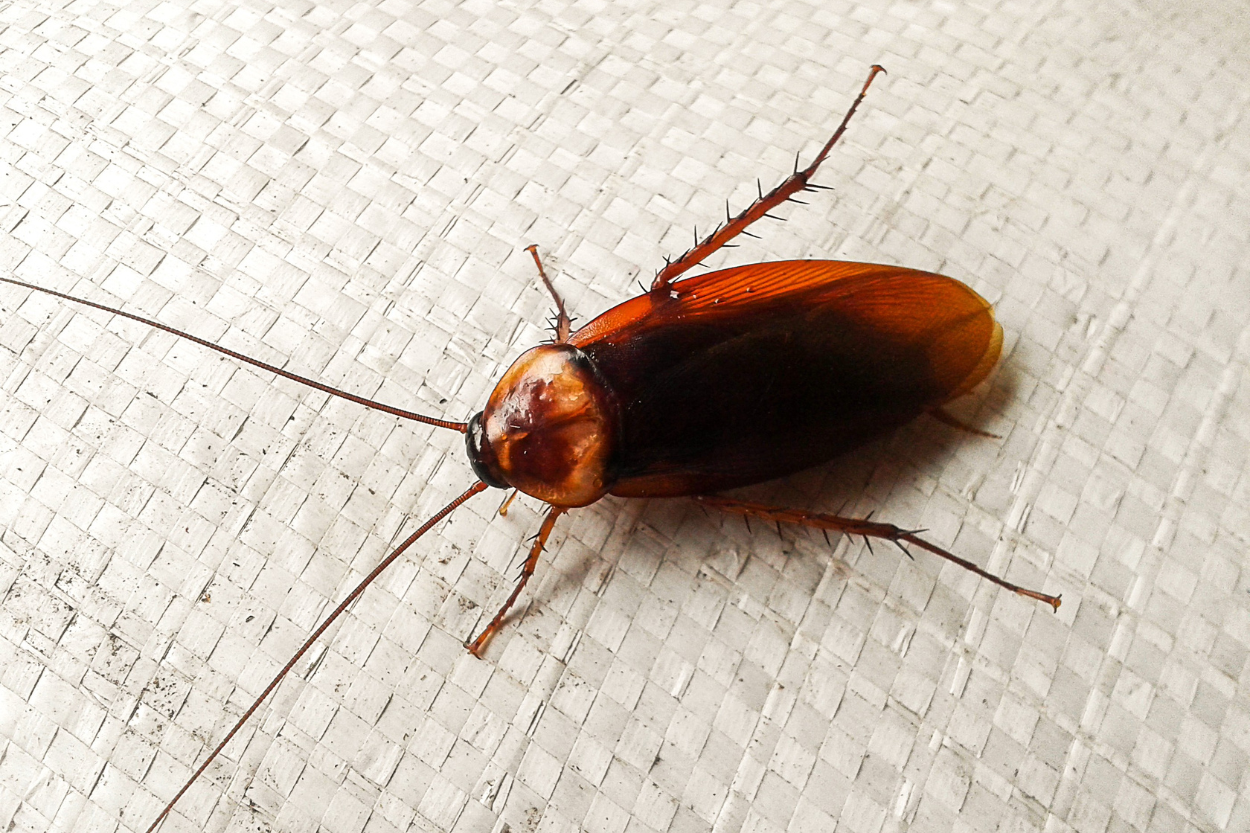
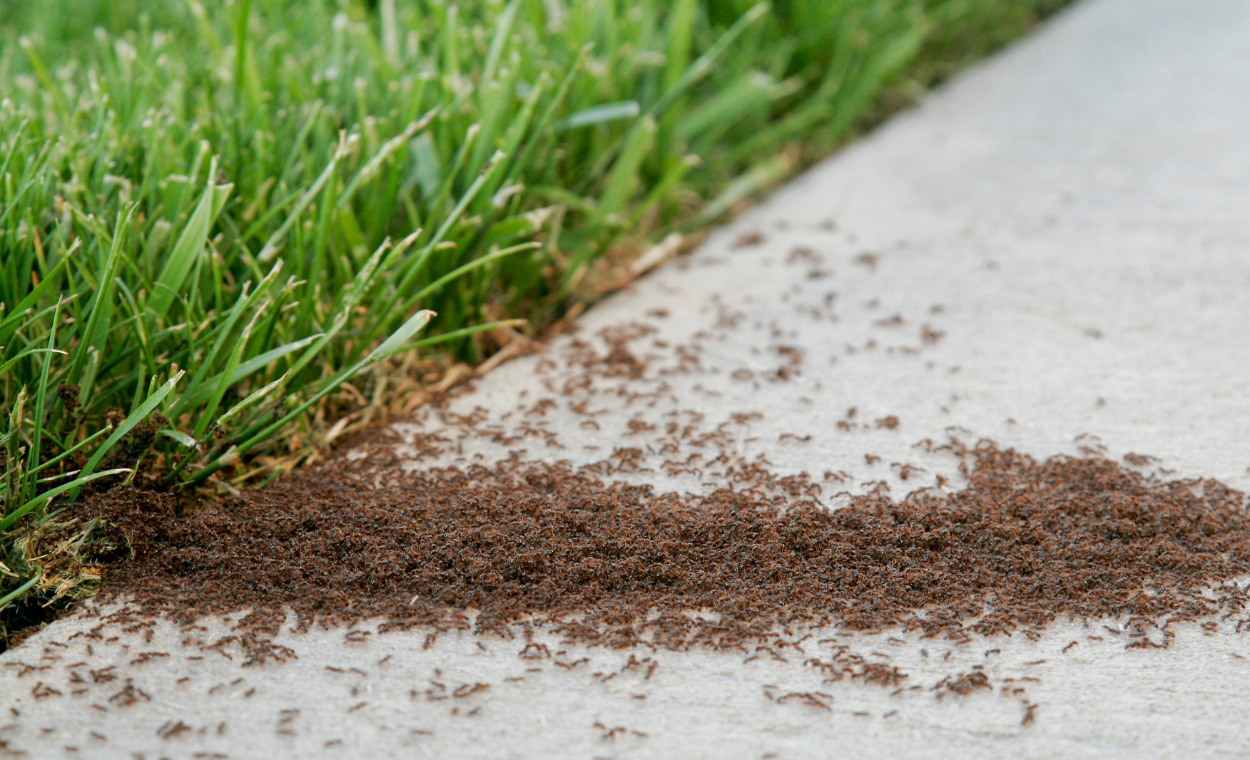
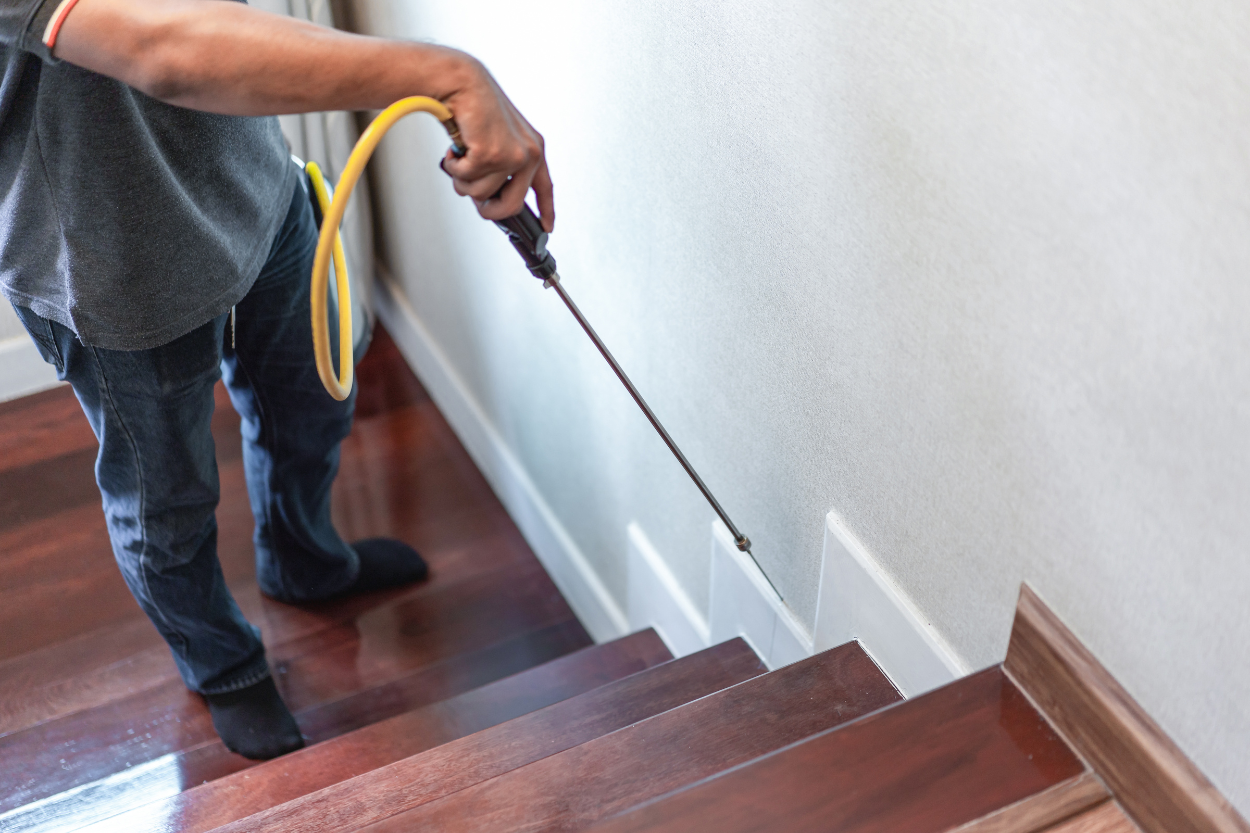
Most of what we do out here is residential — large-lot homes, hobby farms, and equestrian properties spread across the roughly sixteen square miles between Carefree Highway and the Anthem boundary — but we also service the handful of small businesses, feed stores, and equestrian operations along the main corridors. The approach doesn’t change much between the two: identify where the wash pressure enters the property, treat the structure perimeter and any outbuildings, and set a recurring schedule that accounts for how fast pack rat nests and scorpion populations rebuild out here. For rodent-heavy properties, we lean on exclusion first — sealing entry points, clearing brush piles near the foundation, checking crawl spaces and eaves — because rodent control that’s just bait stations without exclusion is a losing battle on a ten-acre lot with open desert on every side. Commercial accounts out here are usually smaller and more specialized than a typical suburban route — think a feed store dealing with grain moths, or an equestrian facility that needs fly and rodent control around stalls without disrupting the animals — and we treat them as the specialty jobs they are rather than squeezing them into a standard office spray.
Seasonal Pattern
Pack rat activity picks up in fall as nights cool and rodents look for denser shelter than the open wash provides. Scorpions are most active from late spring through the peak of monsoon season, when rising humidity gets them moving after dark and storm runoff pushes wildlife out of the washes toward higher, drier ground — which often means your yard. Black widows tend to show up wherever outdoor furniture, tack, and equipment sit undisturbed through the cooler months, and termite swarmers, where they exist at all out here, tend to appear in spring around any irrigated pocket near a well or septic system. Properties with horses or livestock tend to see an extra bump in fly and rodent activity tied to feed storage, which is worth flagging separately from general perimeter pressure when we scope a plan. None of it fully stops at any point in the year out here — it just shifts focus by season, which is why a one-time treatment rarely holds for long on acreage this size.
Desert Hills isn’t a place where you spray once and forget it. The desert is right there on every property line, and it doesn’t stay on its side of the wash. If you’re just north of us, our Anthem pest control team deals with the same wash-driven pressure using the same acreage-first approach — either way, let’s get ahead of it before fall shelter-seeking season starts.